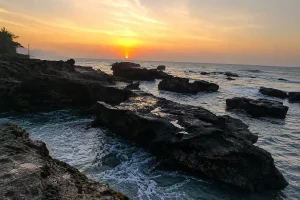


Bali is one of the world’s top surf destinations. So, whether you have never touched a surfboard or you chase barrels for a living, this Bali surf guide is for you. The island offers waves for every skill level. Additionally, the water is warm, the locals are friendly, and the surf culture is electric. Let’s find your perfect wave.
First, it helps to know that Bali has three main surf zones. The southwest coast is perfect for beginners and longboarders. The Bukit Peninsula delivers world-class reef breaks for pros. Furthermore, the east coast comes alive during the wet season with powerful right-handers.

Bali Surf Guide for Beginners: Your First Wave in Bali
Starting to surf in Bali is exciting. However, you need the right beach. As a beginner, look for gentle, slow-breaking waves. Also, soft sandy bottoms are much safer than sharp coral reefs. Luckily, Bali has several ideal spots for first-timers.
Kuta Beach
Kuta Beach is the most famous spot for beginners in Bali. The beach is long and the sand is soft. Moreover, the waves are small, slow, and forgiving. This gives you plenty of time to practice standing up on your board. You will see many learners here, so you will never feel out of place. Surf schools line the entire beach, and qualified teachers are easy to find.
Wave type: Beach break over a sandy bottom. It is safe when you fall. Best time: Morning sessions are calmer before the sea breeze picks up in the afternoon.
Legian Beach
Legian Beach sits just north of Kuta. It offers a quieter and less crowded experience. The waves are similar to Kuta, gentle and ideal for learning. Because the beach is a little less busy, you get more space to practice. Legian is a wonderful place for your first lesson.
Sanur Beach
Sanur Beach sits on the east side of Bali. A long reef protects the shoreline, which makes the waves small and easy to handle. Additionally, the town has a relaxed vibe, far from the bustle of Kuta. Sanur is a great choice for families who want to learn to surf together.
Wave type: Reef-protected flat water with small, manageable waves. Best season: Sanur works well during the wet season (November to March) when the east coast picks up good swell.
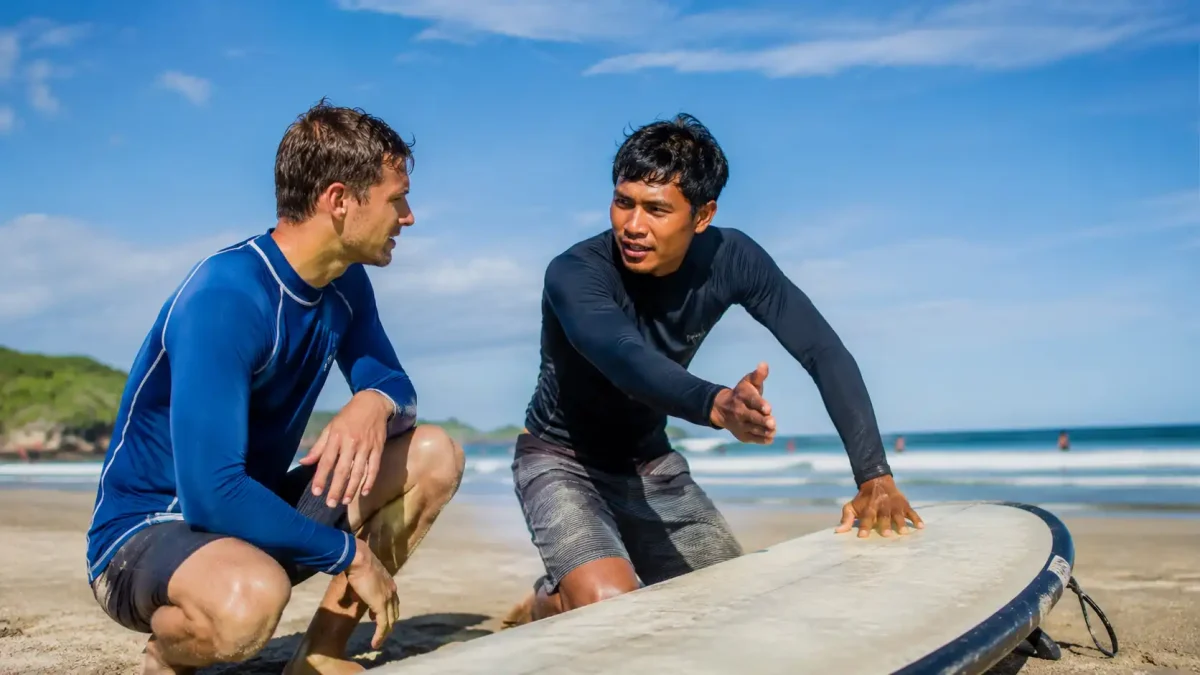
Beginner tip: Always take a lesson with a certified instructor. A good teacher will push you into the right waves and help you progress much faster. Also, always choose a large, soft-top foam board for your first sessions. It is stable, buoyant, and much safer for everyone around you.
Want to explore more beginner spots? Read our guide to top spots for beginner surfing in Canggu.
Intermediate Surf Spots in Bali: Time to Level Up
So, you can stand up and ride a wave to the beach. That is a big achievement! Now it is time to improve. You want to learn how to turn, read waves better, and ride along the face. Consequently, these spots will challenge you without overwhelming you.
Canggu: Batu Bolong Beach
Canggu is one of the most popular surfing in Bali areas. Batu Bolong Beach offers a reef break that is longer and more fun than the beginner beaches. Because the wave is longer, you can practice turning and riding along the face. The atmosphere here is vibrant, with cafes, surf shops, and a strong surf community all around.
Note: Batu Bolong has a reef bottom. Therefore, be careful when you fall. Check the tide before paddling out, as low tide exposes the reef.
Seminyak Beach
Seminyak sits just north of Legian and offers slightly more powerful waves. It is a natural next step after you master Kuta and Legian. The waves are a bit faster and hollower, which gives you great practice for your timing. After your session, the beachfront restaurants and cafes make it easy to relax and refuel.
Balangan Beach
Balangan Beach is a long left-hand reef break on the Bukit Peninsula. It is ideal on a medium swell and offers plenty of room to improve your turns. Many intermediate surfers consider it one of the best step-up spots in Bali. Furthermore, the scenery is stunning, with white sand and turquoise water below dramatic limestone cliffs. Read our full guide to Balangan Beach.
Jimbaran Bay
Jimbaran Bay is famous for its seafood restaurants. However, it also hides a great wave for intermediate surfers. The bay is wide, so the lineup is never too crowded. The wave is a left-hander, perfect for regular-foot surfers. It is smooth and forgiving, making it great for practicing your turns without too much pressure.
Medewi Beach
Medewi Beach is famous for having the longest left-hand wave in Bali. On a good day, you can ride a single wave for up to a minute. This makes it perfect for working on your footwork and turning technique. Because the wave is slow and mellow, it suits longboarders and intermediate surfers who want longer rides. Read more in our Medewi Beach guide.
Intermediate tip: Watch other surfers for at least 30 minutes before paddling out. See how they catch waves and position themselves in the lineup. Do not be afraid to ask for advice. Surfers are usually friendly and happy to help.
Advanced Surf Spots in Bali: World-Class Waves for Pros
Now, you are a confident surfer. You are ready for powerful, barreling waves. Bali delivers some of the most famous Bali surf spots on the planet. However, these spots are for experienced surfers only. The waves are fast, heavy, and break over sharp reef. Respect the ocean and always know your limits.
Uluwatu
Uluwatu is a legend. It is a world-class left-hand reef break on the Bukit Peninsula. The wave is fast, hollow, and can give you very long rides. You paddle out through a cave underneath a stunning clifftop temple. The scenery is breathtaking. Nevertheless, the wave is serious. You need to be a very strong swimmer and surfer. Currents can be powerful, and the reef is sharp.
Best season: April to October (dry season) with consistent southwest swells. Multiple peaks such as Temples, Racetrack, and Outside Corner suit different surf styles.
Padang Padang
Padang Padang sits next to Uluwatu and earns the nickname “Balinese Pipeline.” It is a very heavy, barreling wave that breaks over a shallow reef. This wave is for experts and professional surfers only. During peak swell season, you will see the world’s best surfers testing themselves here. Baby Padang, on the right side of the beach, is a softer option for intermediate surfers on smaller days.
Bingin Beach
Bingin Beach is another Bukit Peninsula gem. It is a short, punchy left-hander that breaks over a shallow reef. On a high tide, the wave is more forgiving and suitable for confident intermediates. However, at low tide, the reef is exposed and the wave becomes fast and heavy. Read our guide to Bingin Beach for full details.
Keramas Beach
Keramas sits on the east coast and is famous for its perfect, fast right-hand waves. The wave is very powerful and breaks on a unique black sand beach. At night, professional surf competitions sometimes take place here under stadium lights. Best season: November to March (wet season), when the east coast receives consistent northeast swells.
Advanced tip: Always check conditions before paddling out. Surf forecasting apps like Surfline give you accurate swell and wind data. Furthermore, consider hiring a local guide who knows the spot well. They will help you get the most out of your session safely.
Best Time to Surf in Bali: Season by Season Guide
Bali is a year-round surf destination. However, the best season depends on your skill level and which surf zone you prefer. Here is a quick breakdown.
- Dry season (April to October): Best for the west coast and Bukit Peninsula. Consistent southwest swells and clean offshore winds create perfect conditions at Uluwatu, Canggu, and Padang Padang. This is peak tourist season, so popular lineups get crowded.
- Wet season (November to March): The east coast takes over. Spots like Keramas, Sanur, and Nusa Dua work beautifully. Additionally, the west coast becomes less consistent during this period.
- Shoulder months (April to May and September to October): These are arguably the best months. You get excellent waves with noticeably smaller crowds. Therefore, many surf travelers specifically target these windows.
Water temperature stays between 26 and 29 degrees Celsius all year. So, you do not need a wetsuit. A rash guard is all you need to protect yourself from the sun and minor reef scrapes.
Surfing in Bali: Important Tips for Every Surfer
These tips will help you have a safer and more enjoyable time in the water.
- Respect the locals: The ocean is for everyone. Be polite, wait your turn, and never drop in on someone else’s wave. Good surf etiquette makes the lineup a better place for all.
- Choose the right board: Beginners should always use a large, soft-top foam board. It is stable, buoyant, and safer for you and the surfers around you. As you progress, you can move to a smaller board.
- Surfboard rental: You can rent a board at every major beach. Prices range from around 50,000 to 100,000 IDR per session. Soft-top boards are widely available at beginner spots.
- Surf lessons: A single lesson can save you weeks of frustration. Qualified instructors are easy to find at Kuta, Legian, and Canggu. Private lessons give you faster results.
- Safety first: Always wear a leash. It keeps your board attached to your ankle and prevents it from becoming a hazard. Additionally, if you are not a strong swimmer, consider a floatation vest.
- Sun protection: Bali’s sun is intense. Apply high-SPF sunscreen before every session. A long-sleeve rash guard also protects your skin from sunburn and reef scrapes.
- Transportation to surf spots: Getting between spots with a board can be tricky. The easiest way is to hire a private driver who knows the island. A reliable driver means you spend more time surfing and less time navigating.
If you are travelling with a surfboard, read our guide to Bali airport transfers with surfboards or luggage so your gear arrives safely.
Surfing is just one of many thrilling activities here. Read our solo travel Bali adventure guide for ideas on combining surfing with hiking, cycling, and more.
Plan Your Bali Surf Trip with Ease
Planning a Bali surf trip can feel overwhelming. You need to find the right spots, arrange transport, sort out equipment, and maybe book lessons. Fortunately, you do not have to figure it all out alone.
Bali Touristic is a professional Bali tour and transport service with experienced local drivers who know the island inside out. Whether you need a Bali airport transfer to start your trip smoothly, a private car rental with a driver to reach the best Bali surf spots at your own pace, or a personalized Bali tour package that fits around your surf sessions, the team is ready to help.
A private driver is especially valuable for surfers. They take you to the best beach for the daily conditions, wait while you surf, and transport you and your board safely between spots. So you spend your energy on the waves, not on logistics.
Get in touch via WhatsApp to start planning your perfect surf day in Bali.

Questions About Bali Surf Guide
Is Bali good for beginner surfers?
Yes, absolutely. Bali is one of the best places in the world to learn to surf. Kuta Beach, Legian Beach, and Sanur Beach all offer gentle, forgiving waves over sandy bottoms. Moreover, surf lessons in Bali are very affordable and instructors are easy to find. So even if you have never stood on a board, you are in the right place.
What is the best beach for surfing in Bali for beginners?
Kuta Beach is the top recommendation for complete beginners. It has a long, sandy beach break with small, consistent waves. Additionally, there are dozens of surf schools right on the beach. Legian Beach is a quieter alternative with very similar wave conditions.
When is the best time to surf in Bali?
The dry season from April to October is the best time to surf the west coast and Bukit Peninsula. The wet season from November to March is better for east coast spots like Keramas and Sanur. However, Bali has great surfing in Bali year-round. Whenever you visit, there will always be a spot working for your level.
How much do surf lessons cost in Bali?
Surf lesson prices in Bali are very affordable. Group lessons typically start at around 150,000 to 250,000 IDR per session. Private lessons cost more but give you faster results. Equipment is usually included. Additionally, board rental alone costs around 50,000 to 100,000 IDR per session at most beaches.
Do I need a wetsuit to surf in Bali?
No, you do not need a wetsuit. The water temperature in Bali stays between 26 and 29 degrees Celsius all year. A rash guard is all you need to protect your skin from the sun and minor reef scrapes. Therefore, pack light and leave the wetsuit at home.
What surf spots are best for intermediate surfers in Bali?
Canggu (Batu Bolong), Seminyak, Balangan Beach, Jimbaran Bay, and Medewi Beach are all excellent choices for intermediate surfers. Each spot offers longer, more challenging waves that help you work on turning and wave reading. Furthermore, Medewi is famous for having the longest left-hand wave in Bali, making it perfect for extended rides.
How do I get to the surf spots in Bali?
The most convenient way to reach Bali’s surf beaches is by hiring a private driver or renting a car with a driver. This is especially helpful if you are carrying a surfboard. A local driver knows the best routes, the optimal timing to beat traffic, and which spots are working on any given day. Contact Bali Touristic on WhatsApp to arrange comfortable transport for your surf trip.