

Bali is home to some of Southeast Asia’s most exciting wildlife experiences. Whether you are traveling with kids, looking for ethical animal encounters, or simply curious about Balinese fauna, the island has plenty to offer. From classic zoos to ancient forest sanctuaries, wildlife attractions in Bali suit travelers at every pace.
This guide covers the top places to see animals in Bali, along with verified ticket prices, opening hours, and practical tips to help you plan a smooth visit.

Best Wildlife Attractions in Bali
Bali’s wildlife scene covers a wide range of experiences. Some venues focus on conservation and education. Others offer close animal encounters that families with young children particularly enjoy. Here are the top places worth visiting.
Bali Zoo
Bali Zoo is one of the island’s most popular animal parks. Located in Gianyar, about 30 minutes from Kuta, the zoo is home to over 600 rare and exotic animals. Visitors can see mammals, reptiles, and birds in a lush tropical setting throughout the park grounds.
The zoo offers feeding sessions, shows, and animal encounters scheduled throughout the day. Morning visits work best when animals are most active. A Night Safari experience is also available for those who want something different after dark.
In January 2026, Bali Zoo officially ended its elephant riding program following a directive from Indonesia’s Forestry Ministry. The zoo now focuses on conservation education and ethical animal encounters.

| Detail | Information |
| Opening hours | Daily, 9:00 AM to 5:00 PM (last entry 4:00 PM). Night Safari: 6:00 PM to 9:00 PM. |
| Adult ticket | From IDR 352,000 |
| Child ticket | From IDR 255,000 |
| Location | Jalan Raya Singapadu, Gianyar, approx. 30 minutes from Kuta |
Bali Safari & Marine Park (Taman Safari Bali)
Taman Safari Bali is the island’s largest wildlife park. Visitors board a safari tram and travel through open zones where lions, elephants, giraffes, and other animals roam in wide natural spaces. The experience is adventurous and well-managed for families at the same time.
The park also includes live shows, animal encounters, and a children’s play area. As a result, it is one of the most comprehensive wildlife destinations on the island. Arriving in the morning gives you the best chance of active animal sightings before peak visitor hours.
| Detail | Information |
| Opening hours | Daily, 9:00 AM to 5:30 PM. Evening session: 6:00 PM to 9:00 PM. |
| Adult ticket | IDR 720,000 |
| Child ticket | IDR 576,000 (free for children under 2) |
| Location | Gianyar Regency, approx. 20 minutes from Ubud |
Marine Safari Bali
Marine Safari Bali is one of the island’s newest wildlife destinations. It sits within the Taman Safari complex and focuses entirely on marine life. The attraction spans six immersive zones, taking visitors from rainforest environments through to deep ocean habitats.
Highlights include close encounters with dolphins, sea lions, stingrays, and sharks. The signature experience is Varuna, Indonesia’s first underwater dining and theatrical show, combining a gourmet meal with an ocean conservation performance. This attraction suits visitors who want something beyond a traditional zoo experience.
Bali Bird Park
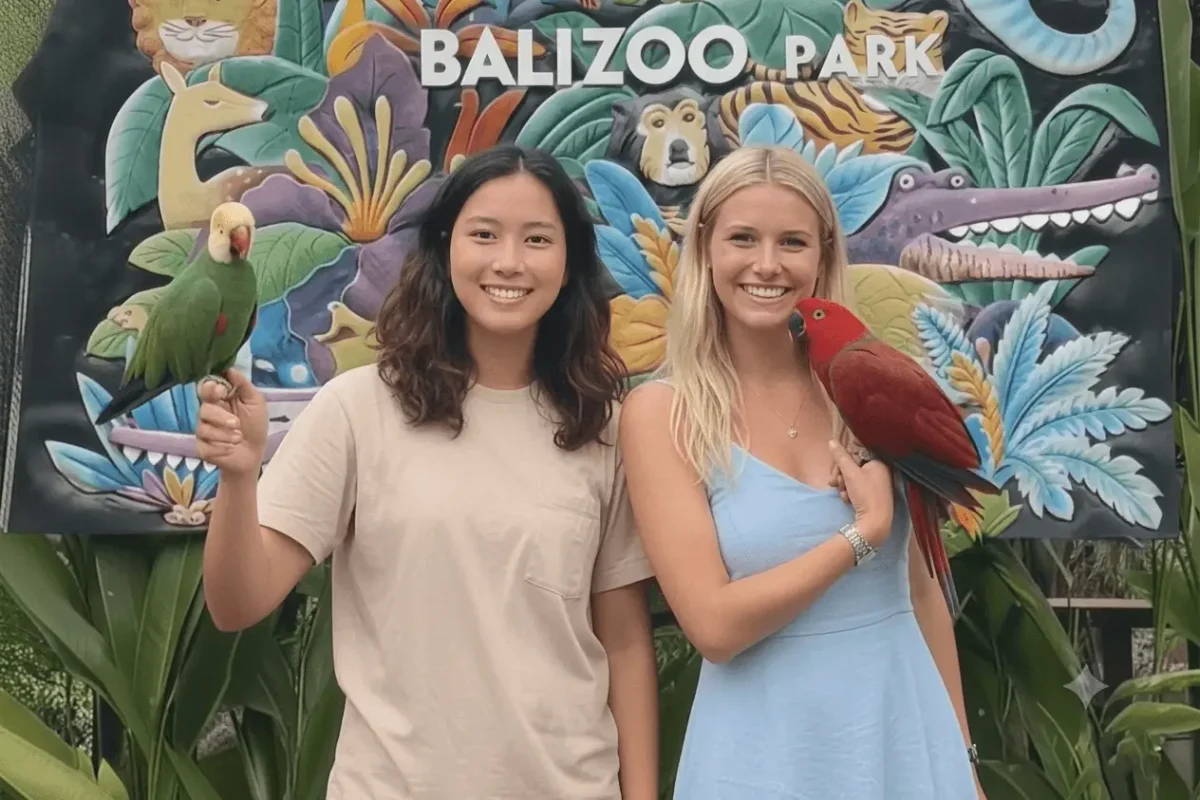
Bali Bird Park in Gianyar is home to over 1,000 birds across 250 species. The park is known for its free-flying exhibits and interactive shows. Visitors walk through shaded aviaries and can watch colourful species from across the globe up close.
Morning visits between 9:00 AM and 11:00 AM offer the best experience overall. Birds are most active during these hours, and visitor numbers are lower. Staff are knowledgeable and available throughout during shows and guided sections.
| Detail | Information |
| Opening hours | Daily, 9:00 AM to 5:30 PM |
| Adult ticket (online) | IDR 305,000 |
| Adult ticket (gate) | IDR 385,000 |
| Child ticket (age 2–12, online) | IDR 150,000 |
| Location | Gianyar Regency, near Taman Safari Bali |
Sacred Monkey Forest, Ubud
The Sacred Monkey Forest in Ubud is home to over 700 long-tailed macaques. Visitors walk through ancient temple grounds shaded by tall trees while monkeys move freely along the paths and overhead. The site functions as both a conservation area and an active Hindu sanctuary.
Staff are stationed throughout the forest to guide visitors and explain safety rules. Keep bags zipped, avoid direct eye contact with the monkeys, and do not bring open food unless you are in a designated area. Morning hours before 10:00 AM are the calmest time to visit.

| Detail | Information |
| Opening hours | Daily, 9:00 AM to 6:00 PM (last entry 5:00 PM) |
| Adult ticket | IDR 80,000 (weekdays), IDR 100,000 (weekends) |
| Child ticket | IDR 60,000 (weekdays), IDR 80,000 (weekends). Free for toddlers under 3. |
| Location | Jalan Monkey Forest, Ubud |
Mason Elephant Park & Lodge, Ubud
Mason Elephant Park in Taro Village operates as a sanctuary for Sumatran elephants. The focus is on ethical encounters: feeding sessions, bathing activities, and educational programs rather than riding. It is a more intimate experience compared to the larger wildlife parks in Bali.
The park sits about 30 minutes north of central Ubud. It is a good option for visitors who want a meaningful elephant experience without supporting harmful practices. Note that the park closes on Nyepi Day.
| Detail | Information |
| Opening hours | Daily, 8:00 AM to 6:00 PM (closed on Nyepi Day) |
| Adult ticket | IDR 750,000 (includes elephant feeding, museum access, welcome drink) |
| Child ticket (age 5–12) | IDR 500,000 |
| Location | Taro Village, approx. 30 minutes north of Ubud |
Ethical Wildlife Tourism in Bali
Choosing where to visit matters when it comes to animal welfare. Not all wildlife attractions in Bali meet the same standards, and it is worth knowing what to look for before booking.
In January 2026, Bali Zoo officially ended elephant riding following a directive from Indonesia’s Forestry Ministry. This reflects a broader shift toward more responsible wildlife tourism across the island. Marine Safari Bali and Mason Elephant Park are generally recognized for prioritizing ethical animal interactions.
As a general guide, look for parks that provide spacious and clean habitats, focus on education rather than performance tricks, and have trained staff visible throughout. Venues that actively participate in breeding programs or conservation partnerships tend to be more accountable than those that do not.
Tips for Visiting Wildlife Attractions in Bali
Arriving early makes a noticeable difference. Most animals are most active before noon, temperatures are cooler, and visitor numbers are lower. If possible, aim to arrive when the park opens.
Booking tickets online saves money at most venues. Bali Zoo, Bali Bird Park, and Taman Safari Bali all offer lower online prices compared to gate rates. It also helps avoid queues, especially during peak travel periods.
Wear comfortable closed-toe footwear, since most parks involve extended walking on uneven paths. Bring a light rain jacket if you are visiting during the wet season, as many parks are partially or fully outdoors.
Follow all guide instructions and respect any barriers around animal enclosures. Even in well-managed venues, animals can behave unpredictably. Children should be supervised at all times, particularly at the Sacred Monkey Forest.
How to Get to Bali’s Wildlife Attractions
Most wildlife parks in Bali are located in Gianyar Regency, between Ubud and Denpasar. Bali Zoo, Bali Bird Park, Taman Safari, and Marine Safari Bali are all within 15 to 30 minutes of each other by car.
If you want to visit more than one attraction in a day, or simply prefer not to deal with navigation and parking, a Bali car rental with driver gives you full flexibility to set your own pace and plan your itinerary comfortably.
Plan Your Wildlife Day with a Bali Tour
Wildlife parks pair well with other Bali experiences. Many travelers combine an animal attraction with a rice terrace visit, a temple tour, or a stop in central Ubud, all within the same day.
If you would like help putting together an itinerary that includes your preferred wildlife spots alongside Bali’s cultural highlights, our Bali tour packages are designed to make the most of your time on the island.

Frequently Asked Questions About Wildlife Attractions in Bali
What is the best wildlife attraction in Bali for families?
Bali Zoo and Taman Safari Bali are the top choices for families with children. Both parks have wide paths, clear safety rules, and enough variety to keep kids engaged for several hours. The Sacred Monkey Forest is also family-friendly, though children should be closely supervised throughout the visit.
Is Bali Zoo ethical?
In January 2026, Bali Zoo ended its elephant riding program following a directive from Indonesia’s Forestry Ministry. The zoo currently focuses on conservation programs, animal education, and ethical encounters. Based on current information, it is widely considered a responsible wildlife venue.
How much do wildlife attractions in Bali cost?
Costs vary widely. The Sacred Monkey Forest is the most affordable option at IDR 80,000 to 100,000 for adults. Bali Zoo and Bali Bird Park fall in the mid-range at around IDR 300,000 to 385,000. Taman Safari Bali and Mason Elephant Park are the most premium, starting from IDR 720,000 and IDR 750,000 respectively.
What is the best time to visit wildlife parks in Bali?
Morning is consistently the best time. Animals are most active between 9:00 AM and 11:00 AM, temperatures are more comfortable, and crowds are smaller. Arriving when the park opens gives you the best overall experience.
Can I visit multiple wildlife attractions in one day?
Yes. Bali Zoo, Bali Bird Park, and Taman Safari Bali are all in Gianyar Regency and within 15 to 30 minutes of each other. With a driver, visiting two attractions comfortably in a single day is very manageable. Trying to fit three full parks into one day, however, tends to feel rushed.
Is Marine Safari Bali the same as Bali Safari & Marine Park?
No. Marine Safari Bali is a separate marine-focused attraction that sits within the Taman Safari complex. It opened in 2024 and focuses on ocean and aquatic wildlife across six themed zones, featuring dolphins, stingrays, and sharks, as well as an underwater dining experience called Varuna.