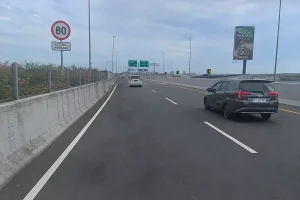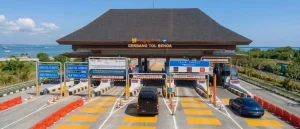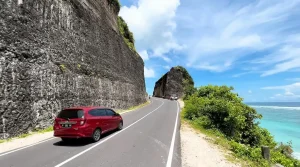


You have probably seen the reels. A tourist cruising past rice paddies on a scooter, hair blowing in the wind, not a care in the world. It looks effortless, and for a few lucky minutes on a quiet road, it can be. But the moment you land at Ngurah Rai Airport and step into the actual traffic, the picture changes fast.
Honking scooters weaving between cars, one-way streets that appear out of nowhere, and a GPS that confidently sends you down a dead-end rice field path. Driving in Bali is not impossible, but it is genuinely different from what most first-time visitors expect.
This guide walks you through what you actually need to know: the legal requirements, what the roads are really like, the honest safety picture, and when hiring a driver simply makes more sense than doing it yourself.

Is It Legal to Drive in Bali as a Tourist?

Yes, but only if you carry the right documents. Many tourists assume that any driver’s license from home is enough, or that the so-called “tourist license” sold near some police stations will cover them. Neither is true. To legally drive a car or ride a scooter in Bali, you need your national driver’s license plus a valid international driving permit that matches the vehicle type you plan to use.
If you are stopped at a checkpoint without the correct paperwork, the consequences are more than just an inconvenience. According to official data, on-the-spot fines for missing documents typically range from IDR 250,000 to 500,000, and in some cases your vehicle can be impounded. If you are involved in an accident without valid documents, your insurance may be voided entirely, leaving you responsible for medical and vehicle costs out of pocket.
What Documents Do You Actually Need
Getting the paperwork right is the boring part, but it is what keeps you on the right side of the law and your insurance policy. The requirement depends on what you plan to ride, and the timing matters more than most people realize. Here is exactly what to sort out before you land.
- A car needs an IDP, category B
Your home license alone will not cut it. Pair it with an international driving permit endorsed for cars, sorted out before you land. This permit works alongside your original license, not instead of it, so bring both when you drive. Most car rental companies will ask to see the physical document before handing over the keys. - A scooter needs an IDP, category A
Same rule, different box to tick. No motorcycle endorsement on your permit means no legal ride, full stop. Some countries issue a combined permit covering both categories, so check yours carefully before assuming you are covered. If your home license does not include a motorcycle category, no international permit will make up for that gap. - Get it before you fly, not after
Bali does not issue this permit locally. Arrange it at home, or skip the paperwork entirely and hire a driver instead. The process usually takes a few days through your local automobile association, so leave enough time before your departure date. Trying to sort it out after landing will only waste hours of your holiday for nothing.
What Bali’s Roads Are Really Like
Bali welcomed close to 6.9 million visitors in 2025, and most of them squeeze into the same stretch of southern coastline. Here is what that actually looks like once you are behind the wheel.
- South Bali traffic is relentless
Kuta, Seminyak, and Canggu were never built for this many cars, scooters, and delivery trucks moving at once, and it shows every afternoon. Peak hours generally run from late morning through early evening, with little relief in between. A five-kilometer trip that should take ten minutes can easily stretch to forty during the worst of it. - Village roads shrink fast
One wrong turn and you are threading a car down a lane barely wide enough for a motorbike. Reversing out of these lanes is often trickier than driving in, especially with motorbikes weaving past on both sides. Locals navigate them daily without much trouble, but it takes practice to do the same with confidence. - Ceremonies close streets without warning
A passing procession can block an entire road for hours, with no detour sign in sight. These processions are a normal part of daily life in Bali, not a rare event, so expect to encounter at least one during a longer stay. Locals are generally patient about it, and the best move is simply to wait it out or find another route. - Google Maps gives up outside the south
In Ubud’s backroads or east Bali’s hill towns, it will happily route you into a rice paddy. This is why many travelers start with a pre-booked Bali airport transfer to get a feel for the traffic before deciding whether to self-drive. Offline map downloads help to some extent, but they still cannot account for a road that ceremony traffic closed an hour ago. When in doubt, asking a local for directions is often faster than trusting an app.
Driving on the left side of the road

Indonesia drives on the left, same as Australia and the UK. If you are used to the opposite, roundabouts and intersections will test your reflexes for the first few days. Your instincts will keep pulling you toward the wrong lane, especially right after a turn when there is no traffic around to correct you. This is exactly when small mistakes happen, so it helps to consciously check your position rather than relying on muscle memory alone. Give yourself a quiet stretch of road to get comfortable before merging into busier areas like Denpasar or the main routes through Kuta.
Is It Safe to Drive in Bali?
Here is the honest picture. According to the Bali Police Traffic Directorate, the island recorded 7,466 road accidents in a single recent year, resulting in 655 fatalities. Traffic violations reportedly rose by 54 percent in 2025 compared to the year before, with officials pointing to driver negligence as the leading cause.
- Motorbikes carry most of the risk
The bulk of tourist accidents involve scooters, not cars, a pattern that shows up across almost every source on Bali road safety. Cars offer more physical protection, which is part of why the injury outcomes tend to differ so much between the two. Even minor scooter accidents can result in significant injuries at Bali’s typical traffic speeds. - Rainy season raises the stakes
Wet roads between November and March catch out even confident, experienced riders. Sudden downpours can appear with little warning and turn a dry road slick within minutes. Visibility also drops fast during heavy rain, making it harder to spot potholes or oncoming traffic in time. - Overconfidence is the real hazard
Most crashes involve people who assumed Bali traffic works the same way it does back home. It does not. Local drivers often use different signals and unwritten rules that take time to learn, and outsiders tend to misread them. Staying alert and driving more cautiously than you would at home goes a long way toward avoiding trouble.
Driving a Car vs Riding a Scooter in Bali
Both options get you from A to B, but they come with very different trade-offs once you are actually on the road. The right pick usually depends on how much protection you want versus how much traffic you are willing to fight. Here is how they compare side by side.
| Riding a Scooter | Driving a Car |
|
|
Self-Drive vs Hiring a Driver in Bali: An Honest Comparison
There is no single right answer here. It comes down to your itinerary, your group size, and how much mental energy you want to spend on logistics during your holiday.
| Cost / Factor | Self-Drive (Car or Scooter) | Hiring a Driver |
| Daily cost | IDR 80,000 – 250,000+ (fuel, parking, rental) | IDR 700,000 – 850,000 (all-inclusive) |
| Documents required | National license + IDP, mandatory | None, driver is fully licensed |
| Navigation & stress | You handle everything yourself | Handled entirely by the driver |
| Parking | Often confusing, sometimes limited | Taken care of at every stop |
| Legal & accident risk | Falls entirely on you | Covered by the driver and vehicle |
| Best for | Solo travelers with a simple, local plan | Couples, families, and multi-stop days |
- Solo and simple wins with self-drive
One area, one pace, no one else’s schedule to coordinate. This is where a scooter genuinely makes sense. You get the freedom to stop wherever catches your eye. Without a group to consider, the usual downsides of self-driving matter a lot less. - Multiple stops? Call a driver
A temple in the morning, a waterfall by lunch, and a sunset point after that turns self-driving into a full-time navigation job. This is exactly the kind of day where travelers book a Bali tour package instead and let someone else handle the route. - Groups and families lean driver
Split the cost three or four ways and the price gap with self-driving nearly disappears, while the stress gap disappears completely. Everyone can relax and enjoy the scenery instead of worrying about traffic or directions. It also means no one has to sit out the fun to be the designated driver for the day.
Practical Tips If You Choose to Drive Yourself
Whether you end up on two wheels or four, a few small habits make the difference between a smooth trip and a stressful one. None of these take much effort, but skipping them is exactly how avoidable accidents happen. Keep this list in mind before you head out.
- Photograph the scooter first
Document every scratch before you drive off, so you are not blamed for damage that was already there. Take clear photos from multiple angles, including the tires, mirrors, and any existing dents. Send copies to yourself or a friend immediately, so there is a timestamped record if a dispute comes up later. - Skip night rides
Street lighting fades fast outside the main tourist strip, and potholes get harder to spot. Stray animals and pedestrians walking along unlit roads add another layer of risk after dark. If you must travel at night, stick to main roads and keep your speed well below the daytime pace. - Download maps offline
Signal drops the moment you leave South Bali, usually right when you need it most. Save your route the night before rather than waiting until you are already on the road with no connection. A backup paper map or written directions can also help if your phone battery runs low. - Never mix riding and drinking
One beach club cocktail is one too many before you get back on a bike. Reaction times drop noticeably even after a single drink, and Bali’s traffic leaves little room for error. Arranging a taxi or rideshare back to your accommodation is a small cost compared to the alternative. - Upgrade your helmet
Full-face beats the flimsy open-face option most rental shops hand over by default. Many rental shops will swap the helmet for a better one if you simply ask, sometimes for a small extra fee. It is worth checking the strap and padding condition too, since a loose or worn helmet offers far less protection.
When It’s Time to Let Someone Else Drive
At some point, most travelers realize that a Bali holiday runs a lot smoother when someone else deals with the traffic. If parking, navigation, and left-hand roundabouts do not sound like your idea of a relaxing day out, our Bali car rental with driver service gives you the same freedom to explore the island on your own schedule, just without the stress or the legal risk of doing it yourself.
Just tell us your dates and where you would like to go, and we will take care of the rest. Chat with us on WhatsApp and we will help you plan a comfortable, stress-free way to get around the island.
Questions About Driving in Bali (FAQ)
Do I need an international driving permit to drive in Bali?
Yes. Pair your national license with an international driving permit that matches your vehicle, car or scooter, arranged before you arrive since it cannot be issued locally. Without it, you are technically driving illegally even if your home license is perfectly valid. Police checkpoints do look for this specifically, especially in tourist-heavy areas like Kuta and Canggu.
Is it safe to rent a scooter in Bali as a tourist?
Mainly for riders already comfortable on a bike at home. Bali’s traffic is dense and unpredictable, and most tourist accidents involve inexperienced riders. If you have never ridden a motorbike before, learning for the first time on Bali’s roads is not the ideal place to start. A short practice run on a quiet side street before tackling busier roads can make a real difference.
Can I drive a car in Bali without an Indonesian license?
Yes, as a short-term tourist. Your home country license plus a valid international driving permit is the recognized combination local authorities accept. You do not need to apply for any local Indonesian documentation for a standard holiday visit. Just make sure the permit matches the vehicle category you plan to drive, since a car endorsement does not cover a motorbike.
What happens if the police stop me without proper documents?
Expect an on-the-spot fine of roughly IDR 250,000 to 500,000, a possible vehicle impound, and voided insurance if an accident follows. Officers can also ask you to leave the vehicle at the roadside until the matter is settled, which can eat into your day. Carrying printed copies of your license and permit, not just photos on your phone, tends to make these stops go faster.
Is it cheaper to hire a driver than to rent a car in Bali?
Not on paper, since a driver costs more per day than a bare scooter rental. Add fuel, parking, permit costs, and accident risk, and the gap narrows fast, especially split between travelers. For a group of three or four covering multiple stops in a day, the per-person cost can end up close to what self-driving would have cost anyway. The difference is you arrive relaxed instead of stressed from navigating unfamiliar roads.