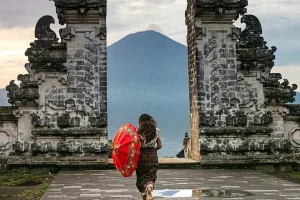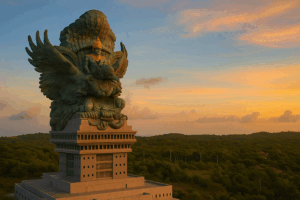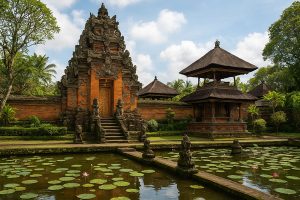


Seeing Temple in Bali you can to the history and culture of the Hindu Beliefs. Bali, renowned for its captivating blend of architecture and spirituality, showcases a multitude of Temple that stand as must-see destinations for travelers in search of a profound cultural and aesthetic immersion. Balinese Temple are an integral part of Balinese culture and religion. They serve as places of worship, community gatherings, and cultural events. The history of Balinese Temple dates back over a thousand years, with the earliest temples believed to have been built in the 10th century. These Temple are known for their intricate carvings, beautiful architecture, and unique design elements that reflect the rich religious and cultural traditions of the Balinese people. Temple in Bali are often built on strategic locations such as mountain slopes, lakes, and rivers, further adding to their significance and beauty.
These Temple not only represent architectural wonders but also hold deep spiritual significance for the Balinese people, reflecting their vibrant traditions and beliefs. Among these iconic Temple is the Uluwatu Temple, situated dramatically on a cliff edge with a mesmerizing view of the vast Indian Ocean, providing visitors with an unparalleled sense of tranquility and beauty. At sunset, the Temple comes alive with traditional Kecak dance performances, adding a mystical allure to the already enchanting ambiance.

These are the temple in Bali that you should know about
Another gem in Bali’s Temple treasure trove is the Besakih Temple, often hailed as the “Mother Temple of Bali,” nestled gracefully on the slopes of Mount Agung. This expansive complex houses a myriad of temples devoted to various Hindu deities, serving as a significant religious pilgrimage site and a remarkable display of Balinese architectural prowess. The intricate stone carvings, majestic pagodas, and verdant surroundings harmoniously blend nature and spirituality, beckoning visitors to immerse themselves in the sacred aura that permeates the temple grounds.

The Tanah Lot Temple in Bali, a picturesque sea Temple perched atop a rugged rock formation surrounded by crashing waves, stands out as a testament to Bali’s deep spiritual connection with the sea. Not only is it an architectural marvel, but it also symbolizes the island’s profound ties to the ocean. Visitors can marvel at breathtaking sunsets while exploring the unique fusion of Hindu mythology and coastal allure, creating an unforgettable experience that resonates deeply with the soul.
In Bali, the philosophy of “Tri Hita Karana,” which underscores the harmonious relationship between humans, nature, and the divine, is vividly embodied in the grandeur and spiritual essence of these Temple. Each visit to these sacred sites offers a glimpse into Bali’s rich spiritual heritage, leaving a lasting impression of wonder and admiration for the island’s captivating allure. Therefore, when venturing through Bali, be sure to delve into these Temple where architecture seamlessly intertwines with spirituality, promising an unforgettable voyage of discovery and enlightenment.
Read Also: The Art Life of Bali Island: when Traditional Art fuses with Modernized World
The Uluwatu Temple, with its dramatic cliffside location, not only provides a stunning view of the Indian Ocean but also offers a glimpse into the Balinese religious practices through its intricate stone carvings and spiritual ceremonies. Visitors can witness the breathtaking sunset while being enveloped in the mystical atmosphere created by the traditional Kecak dance performances, enhancing the overall experience of serenity and cultural richness.
Similarly, the Besakih Temple, known as the “Mother Temple of Bali,” stands as a monumental complex dedicated to various Hindu deities, showcasing the architectural brilliance of the Balinese people. The temple’s location on the slopes of Mount Agung adds a sense of grandeur and spiritual significance, inviting pilgrims and tourists alike to explore its sacred grounds and appreciate the harmonious blend of nature and religious devotion.
As for the Tanah Lot Temple, perched on a rocky outcrop amidst the crashing waves, it serves as a symbol of Bali’s deep-rooted connection with the sea. Beyond its architectural beauty, the temple embodies the island’s spiritual beliefs and reverence for the ocean, offering visitors a profound experience of witnessing nature’s raw power while being surrounded by ancient mythological stories and coastal charm.

By immersing oneself in these temples, visitors not only witness the architectural marvels but also gain a deeper understanding of Bali’s cultural and spiritual heritage. The concept of “Tri Hita Karana” becomes palpable as the temples serve as a reminder of the interconnectedness between humans, nature, and the divine, enriching the soul and leaving a lasting impact on those who seek to explore the depths of Bali’s enchanting allure. Embrace the journey of discovery and enlightenment as you unravel the layers of history and spirituality woven into the fabric of these sacred sites.
Here are the list of some of the Temples you do not want to miss
- Besakih Temple
- Tanah Lot Temple
- Uluwatu Temple
- Ulun Danu Beratan Temple
- Tirta Empul Temple
- Goa Gajah Temple
- Lempuyang Temple
- Gunung Kawi Temple
- Pura Luhur Batukaru Temple
- Taman Ayun Temple
Thank you for reading!
Explore Bali’s Temples with a Private Driver
Bali’s temples are spread across the island, from Uluwatu in the south to Besakih on Mount Agung. A private driver makes it easy to visit multiple temples in one day without worrying about directions or parking. Your driver knows temple visiting hours, dress codes, and can arrange for a local guide to explain the history and spiritual significance. Experience Bali’s sacred sites comfortably with knowledgeable local transport.
Explore our bali tour package to make the most of your visit.

Frequently Asked Questions about Temple in Bali
What is the most famous temple in Bali?
Uluwatu Temple is among the most famous, known for its dramatic clifftop location and evening Kecak dance performances. Besakih Temple (Mother Temple), Tanah Lot Temple, and Tirta Empul Temple are also extremely famous and significant in Balinese Hinduism.
Do I need to wear special clothing to visit temples?
Yes, visitors must wear sarongs (available for rent or purchase at temples) and modest covering that covers shoulders and knees. This is required for both men and women as a sign of respect for the sacred space. Some temples provide sarongs at the entrance.
Can I visit temples during Nyepi (Silent Day)?
No, all temples are closed during Nyepi (Balinese Day of Silence). Nyepi typically falls in March. During this day, the entire island observes silence, no lights, and no activity outside. Check the calendar before planning temple visits.
What is the best time to visit temples?
The best time is early morning (8-9am) to avoid crowds and heat, especially for major temples like Besakih and Uluwatu. Sunset at coastal temples like Uluwatu and Tanah Lot is popular but crowded. weekdays are generally quieter than weekends.
Are Balinese temples active places of worship?
Yes, Balinese temples are active religious sites where local devotees pray daily and hold ceremonies. Visitors should be respectful, maintain silence, and observe from designated areas. Some areas are reserved only for worshippers.
Can I visit Bali temples with a rental car and driver?
Yes, visiting Bali temples with a private driver is highly recommended. Temples are spread across the island, and a driver can take you to multiple temples in one day. Your driver knows the dress code requirements, best visiting times, and can arrange guides. Book your Bali Rent a Car with Driver for a spiritual journey.