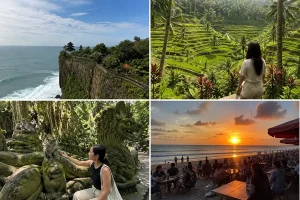

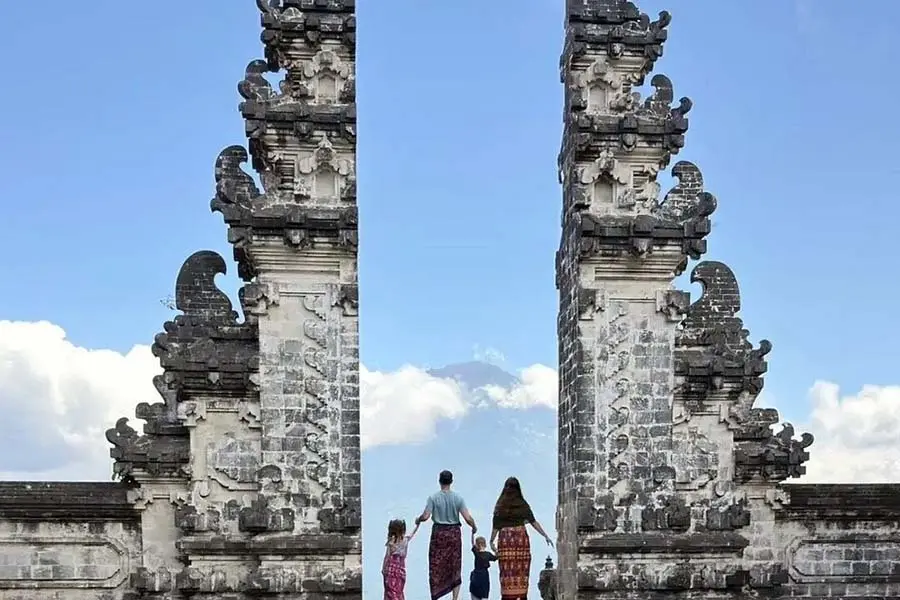
Bali is one of those rare destinations that delivers on its reputation. From cliff-top sea temples to emerald rice terraces, sacred jungle sanctuaries, and world-class beaches, the island packs an extraordinary range of tourist attractions into a surprisingly manageable area. Whether you’re visiting for the first time or returning for another round, knowing which spots to prioritize makes a real difference to your trip.
This guide covers the top tourist attractions in Bali, complete with updated 2026 ticket prices, opening hours, and practical visitor tips to help you plan your days with confidence.

Top Must-Visit Tourist Attractions in Bali
These are the five most iconic spots that nearly every visitor to Bali includes in their itinerary. Each one offers a distinct experience, ranging from ancient spiritual sites to breathtaking natural landscapes.
1. Uluwatu Temple (Pura Luhur Uluwatu)
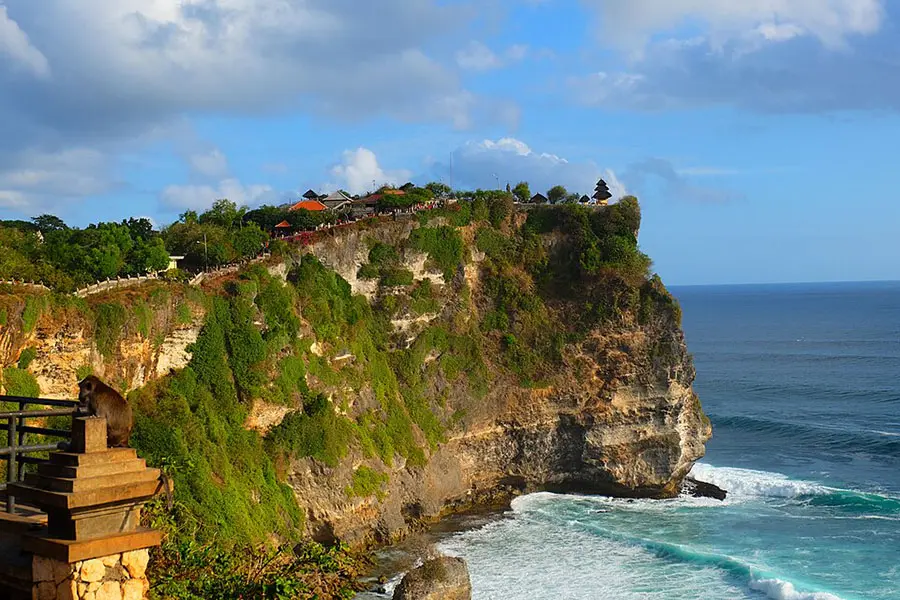
Perched on a cliff 70 meters above the Indian Ocean in South Bali, Uluwatu Temple is one of the island’s six key sea temples and one of the most stunning tourist attractions in Bali. The combination of dramatic ocean views, ancient Balinese architecture, and resident long-tailed macaques makes it genuinely memorable. Moreover, if you time your visit for the late afternoon, the setting sun behind the temple creates one of Bali’s most iconic views. The famous Kecak Fire Dance takes place here every evening at 6:00 PM and requires a separate ticket.
| Visitor Type | Entrance Fee |
| Adults | IDR 60,000 |
| Children (ages 4–12) | IDR 40,000 |
| Under 4 years old | Free |
| Kecak Fire Dance (add-on) | IDR 150,000 |
| Day | Opening Hours |
| Every day | 07:00 – 19:00 |
A sarong is required inside the temple grounds, but borrowing one at the entrance is free. Keep your belongings close around the monkeys, as they readily grab sunglasses, hats, and phones. If you’re combining multiple South Bali stops in one day, a Bali car rental with driver is the most practical option for getting between sites without the hassle of arranging separate transport each time.
2. Tegallalang Rice Terraces
Located about 45 km north of Denpasar in Gianyar Regency, the Tegallalang Rice Terraces are among the most photographed spots in all of Bali. The sweeping green paddies cascade dramatically down the hillside in layered tiers, and the scenery is especially beautiful in the early morning when the light is soft and the crowds have not yet arrived. Several cafés with terrace-view seating line the main road, and the famous Bali Swing experiences here attract visitors looking for a different kind of photo opportunity. In addition, many local artisan stalls are scattered along the path, making it a pleasant spot to browse after the walk.
| Visitor Type | Entrance Fee |
| All visitors | IDR 15,000 – 20,000 (varies by entry point) |
| Day | Opening Hours |
| Every day | 08:00 – 18:00 |
Wear comfortable shoes with good grip, as the terraced paths can be steep and slippery after rain. Bring small cash in Rupiah, since most entrance booths and parking areas are cash-only. Visiting before 9:00 AM gives you the best combination of soft morning light for photos and minimal tour-group crowds.
3. Sacred Monkey Forest Sanctuary
Tucked inside the heart of Ubud, the Sacred Monkey Forest Sanctuary is home to over 1,200 free-roaming long-tailed macaques living alongside ancient temple ruins and dense tropical jungle paths. It functions as both a genuine nature reserve and an active Hindu temple complex, which makes it unlike most tourist attractions in Bali.

Walking the shaded forest paths with monkeys moving overhead and through the trees is a genuinely memorable experience, particularly for families with children. That said, the monkeys are bold and will grab food, bags, and shiny objects without hesitation if you give them the chance.
| Visitor Type | Entrance Fee |
| All visitors | IDR 100,000 |
| Day | Opening Hours |
| Every day | 09:00 – 17:00 |
As of 2026, the Monkey Forest no longer accepts cash. Entry is via e-money or card only, so prepare a digital payment option before you arrive. Leave food, loose jewelry, and dangling bags at your accommodation when possible. Morning visits tend to be cooler and slightly less crowded than the midday peak.
4. Kuta Beach

Kuta Beach is the closest major beach to Ngurah Rai International Airport, and for many travelers it’s the first glimpse of Bali they get. It’s known for its wide stretch of golden sand, consistent beginner-friendly surf breaks, and vibrant sunset atmosphere, which makes it one of the most visited tourist attractions in Bali year after year. Surf lessons from local instructors are easy to arrange along the beach, while the lively strip of restaurants, shops, and beach bars keeps things going from mid-morning well into the evening. While it’s far from Bali’s quietest stretch of sand, the energy here is part of the experience.
| Visitor Type | Entrance Fee |
| All visitors | Free |
| Day | Opening Hours |
| Every day | Open 24 hours (lifeguard-monitored during daylight) |
Always swim between the red and yellow flags, which mark the zones monitored by Bali’s Balawista professional lifeguard team. Strong rip currents are common and can catch visitors off guard, even in relatively shallow water. Sunset is the peak time for both atmosphere and crowds, so if you prefer a quieter visit, early morning is considerably calmer.
5. Tanah Lot Temple

Tanah Lot is arguably the most iconic image in Bali tourism: a Hindu sea temple perched on a dramatic offshore rock formation, silhouetted against a vivid sunset sky. Located in Tabanan Regency on Bali’s west coast, it’s about an hour’s drive from most South Bali hotels. The area surrounding the temple has a lively market with local handicrafts, snacks, and souvenirs, and there’s usually a traditional dance performance somewhere on the grounds. During high tide the rock becomes completely surrounded by water, while during low tide visitors can walk out much closer to the temple’s base.
| Visitor Type | Entrance Fee |
| Adults (foreign visitors) | IDR 75,000 |
| Children (foreign visitors) | IDR 40,000 |
| Under 5 years old | Free |
| Day | Opening Hours |
| Every day | 07:00 – 19:00 |
Tanah Lot gets very crowded around sunset, especially from July through August. Arriving at least 90 minutes before sunset gives you time to explore the grounds and secure a good viewing spot before the crowds peak. Unlike most Balinese temples, no sarong is required here, though dressing modestly is still appreciated.
More Tourist Attractions in Bali Worth Exploring
The five spots above are a strong foundation for any Bali trip, but the island has far more to offer. If your itinerary allows extra time, these additional attractions are well worth adding to your list.
Tirta Empul Temple
Located near Tampaksiring in central Bali, Tirta Empul is a 10th-century water temple built around a series of natural spring pools considered sacred by Balinese Hindus. Visitors can participate in the traditional purification ritual by moving through a sequence of water spouts, each carrying specific spiritual meaning. It’s one of the most spiritually immersive experiences available to tourists in Bali, and the temple complex is beautiful and well-preserved. Arriving early reduces the crowds considerably, since late-morning tour groups can make the bathing pools quite congested.
Mount Batur
For travelers who enjoy an early start, a pre-dawn hike up Mount Batur rewards you with one of Bali’s most spectacular sunrise views. At 1,717 meters, this active volcano overlooks a dramatic caldera and Lake Batur, and on clear mornings you can see Mount Agung and even the neighboring island of Lombok in the distance. The hike is always guided, takes roughly two hours to the summit, and does not require advanced trekking experience. Tours typically depart from the Kintamani area around 3:00 AM to reach the top in time for sunrise.
Nusa Penida Island

A 30-minute fast boat from Sanur Beach, Nusa Penida has become one of the most talked-about tourist attractions in the wider Bali region. The island is famous for Kelingking Beach (with its T-Rex-shaped cliff formation), Broken Beach, Angel’s Billabong, and the crystal-clear waters around Crystal Bay. The landscapes here are dramatically different from Bali’s rice terraces and temples, featuring rugged cliffs, untouched coastline, and outstanding snorkeling and diving conditions. Most visitors do Nusa Penida as a full-day trip, though staying overnight gives you more flexibility to explore without rushing. A Bali day tour package that includes Nusa Penida is a popular choice for visitors pressed for time.
Ulun Danu Beratan Temple
Set on the shores of Lake Beratan in Bedugul, Ulun Danu Beratan Temple is one of Bali’s most photographed temples, though far fewer visitors make the journey compared to the coastal attractions. The multi-tiered shrines appear to float on the lake’s calm surface, particularly in the early morning when low mist settles over the water. The surrounding area offers cooler mountain air, a botanical garden, and nearby strawberry farms popular with local visitors. Ulun Danu Beratan is commonly combined with a Bedugul day trip that also visits the UNESCO-listed Jatiluwih Rice Terraces.
GWK Cultural Park (Garuda Wisnu Kencana)
Located in Ungasan, South Bali, GWK Cultural Park is home to the imposing Garuda Wisnu Kencana statue, which stands at 121 meters tall and is one of the largest bronze statues in the world. The park regularly hosts traditional cultural performances set against a backdrop of dramatic limestone cliffs. It serves as an excellent introduction to Balinese Hindu mythology, and the views from the upper levels extend across South Bali toward the coast. The spacious grounds make it pleasant to explore even beyond the statue itself, and the late afternoon light makes the whole site particularly photogenic.
Best Time to Visit Bali’s Tourist Attractions
Bali’s dry season runs from April to September, with July and August being the busiest months overall. The weather is most reliable during this period, making it ideal for outdoor attractions like rice terrace walks, beach days, and volcano hikes. However, the wet season (October to March) brings its own appeal: lush green landscapes, lower accommodation prices, and far fewer visitors at most sites. For a balance of decent weather, manageable crowds, and reasonable prices, May, June, and September tend to be the sweet spot.
For daily timing, early morning visits (before 9:00 AM) are almost always better at popular tourist attractions in Bali. You’ll beat the coach tour groups, enjoy cooler temperatures, and have a much better chance of clear skies for photography.
Tips for Getting Around Bali
Most of Bali’s major tourist attractions are spread across different regions, so having reliable transport makes a significant difference. Ride-hailing apps like Gojek and Grab work well within South Bali and Ubud, though they can struggle in more remote areas. Renting a scooter is popular among budget travelers, but traffic in South Bali can be intense. For the most comfortable and flexible experience, especially with a group or family, hiring a private car with a local driver is both affordable and practical. A driver who knows Bali’s roads, temple etiquette, and best timing for each site adds real value to the day.
If you’re arriving from or heading back to the airport, arranging a reliable Bali airport transfer in advance saves you the hassle of negotiating with taxis after a long flight.
Plan Your Bali Sightseeing with Ease
Putting together a logical itinerary that avoids backtracking across Bali can save several hours over the course of a trip. If you’d rather leave the planning to a local team, Bali Touristic offers private day tours with experienced drivers who know the best routes, timings, and stops between the main attractions. Whether you’re exploring South Bali’s sea temples, Ubud’s cultural landscape, or crossing to Nusa Penida, there’s a Bali tour package that fits your schedule and travel style.

Frequently Asked Questions
What are the most visited tourist attractions in Bali?
Tanah Lot Temple, Uluwatu Temple, the Sacred Monkey Forest Sanctuary, Tegallalang Rice Terraces, and Kuta Beach are consistently among Bali’s most visited sites. Other highly popular spots include Tirta Empul Temple, Mount Batur, Nusa Penida Island, Ulun Danu Beratan Temple, and GWK Cultural Park.
How much does it cost to enter Bali’s tourist attractions?
Entrance fees for most major attractions range from IDR 15,000 to IDR 100,000 for foreign visitors. Updated 2026 prices: Uluwatu Temple (IDR 60,000 adults, IDR 40,000 children ages 4–12), Tanah Lot (IDR 75,000 adults, IDR 40,000 children, free under 5), Sacred Monkey Forest (IDR 100,000 all visitors, cashless only), and Tegallalang Rice Terraces (IDR 15,000–20,000). Kuta Beach is free. Budget an additional IDR 50,000–150,000 per site for parking, optional activities, and add-ons like the Kecak Dance at Uluwatu (IDR 150,000).
Can I visit Bali’s top tourist attractions in 3 days?
Yes, with good planning you can cover the main highlights in three days. A common approach is to dedicate Day 1 to South Bali (Uluwatu Temple, Kuta Beach, Tanah Lot), Day 2 to Ubud and Central Bali (Monkey Forest, Tegallalang, Tirta Empul), and Day 3 to a full-day trip to Nusa Penida or the highlands of Bedugul. Having private transport is key, as it allows you to set your own pace rather than following group tour schedules.
What should I wear when visiting temples in Bali?
Modest clothing that covers your shoulders and knees is required at most Balinese temples. At Uluwatu Temple, wearing a sarong inside the grounds is compulsory, though they’re available to borrow at the entrance for free. Tanah Lot does not require a sarong, but modest dress is still expected. Avoid sleeveless tops, short shorts, or anything revealing when visiting religious sites anywhere in Bali.
Is Bali safe for tourists visiting attractions alone?
Bali is generally considered a safe destination for solo travelers. Major tourist attractions are well-staffed and most sites have clear signage in English. The usual common-sense precautions apply: keep valuables secure, use reputable transport options, and stay aware of strong ocean currents at beaches. Solo female travelers should take extra care when returning from nightlife areas at night.
What is the best way to travel between tourist attractions in Bali?
Hiring a private car with a local driver is the most flexible and comfortable option, particularly when covering multiple attractions across different regions on the same day. Ride-hailing apps (Gojek, Grab) work well in central areas for shorter trips. For getting to and from the airport without stress, a pre-booked Bali airport transfer is the most straightforward choice.