
Complete Guide to a Short and Memorable Bali Trip

If your Bali vacation is limited, it’s best to focus your trip on a few key areas to maximize your experience. Ubud can be a hub for cultural and natural exploration, and unique interactions at the Monkey Forest. Get the great coastal experience by visiting southern areas like Uluwatu, Seminyak, or Canggu offer beautiful beaches. By creating a balanced itinerary that combines temples, nature, beaches, and local life, even a short trip can feel packed, diverse, and meaningful. Cultural and Natural Tourism – Ubud and Surrounding Areas The Ubud area and its surroundings are the cultural heart of Bali, offering a harmonious blend of tradition, spirituality, and serene natural landscapes. This area is ideal for tourists seeking a more tranquil, authentic, and meaningful side of Bali, away from the hustle and bustle of the coastal areas. Ubud Monkey Forest Hundreds of monkeys live freely in the lush natural environment, creating a unique and interactive tourist experience. Shaded walking paths allow visitors to take a leisurely stroll while observing the animals’ activities and traditional Balinese architecture. Beyond being a tourist attraction, the Monkey Forest also holds spiritual and ecological value. The ancient temples within this area reflect the close relationship between nature and Balinese beliefs. A visit here provides a vivid glimpse into how tradition, wildlife, and the environment coexist harmoniously. Tirta Empul Tirta Empul is a sacred water temple complex that has been used for centuries as a place for purification rituals. The clear, flowing natural spring water is believed to hold strong spiritual significance for Balinese Hindus, giving the atmosphere a sacred and calming feel. Visitors can witness the melukat (temptation) procession or even participate in the experience by following the appropriate procedures. A visit to Tirta Empul is not only for sightseeing but also for gaining an understanding of the spiritual values ​​and philosophy of Balinese life. Campuhan Ridge Walk The tranquil atmosphere, far from the crowds, makes it an ideal choice for a morning or sunset. Campuhan Ridge Walk is perfect for travelers seeking to slow down and connect with nature. The fresh air, open views, and relaxed pace create moments of reflection rarely found in popular tourist destinations. Beach Tourism: Enjoy the Sunset in South Bali The southern region of Bali is synonymous with stunning coastlines, dramatic cliffs, and a dynamic, modern atmosphere. This area is ideal for travelers seeking a combination of marine beauty, entertainment, and world-class cuisine. Tanah Lot Temple This sea temple sits firmly on a rock surrounded by waves, creating an iconic silhouette at sunset. Its beauty makes Tanah Lot one of Bali’s most recognizable tourism symbols. Beyond the panoramic views, Tanah Lot also holds deep spiritual value for the local community. The best time to visit is in the afternoon, when the sky slowly changes color and the atmosphere becomes even more magical. Uluwatu Temple Situated on a cliff overlooking the Indian Ocean, Uluwatu Temple offers Bali visitors a spectacular ocean views. The sea breeze and crashing waves create a dramatic atmosphere that’s hard to forget. As evening approaches, the area becomes the stage for Kecak dance performances, with the sunset as a backdrop. The combination of dance, fire, and natural scenery makes the Uluwatu experience visually and emotionally powerful. Day Trips: Enjoy Iconic Views For those looking to expand their exploration, several destinations off the beaten path offer incredible landscapes worth exploring on a day trip. These places showcase Bali’s majestic and diverse landscapes. Nusa Penida This island is famous for its towering cliffs and turquoise beaches. Kelingking Beach, with its T-Rex-like cliffs, is a popular icon often seen on postcards and social media. Angel’s Billabong and Broken Beach offer unique natural formations rarely found elsewhere. While the trek can be tiring, the beauty of Nusa Penida is well worth the effort. Mount Batur An early morning climb to the summit of Mount Batur offers an unforgettable experience. From the top, visitors can watch the sun rise slowly behind the mountains, overlooking the expansive lake. Although considered beginner-friendly, this trek still requires physical preparation. The thrill of reaching the summit and enjoying a simple breakfast while taking in the panoramic views is truly memorable. Quick Tips for a Short Trip To make the most of your limited vacation time, proper planning is key. With a simple strategy, a short trip to Bali can still feel complete and memorable. Organize Your Group by Geographic Region Grouping destinations by location helps save time on travel. Focus one day on South Bali and another on Ubud, or allocate a full day to Nusa Penida. This approach makes your itinerary more realistic and less tiring. Travel feels more relaxed without having to travel too far in one day. Hire a Driver Using a local driver is very helpful, especially for travelers who want to visit multiple places. Experienced drivers understand road conditions and the quickest routes. Besides saving time, travelers can also enjoy the trip without stressing about navigation. This allows them to fully focus on the experience and the scenery. Balance Relaxation and Sightseeing Combine visits to beach club or relaxing time at a spa with temples and nature. This balance keeps your energy stable throughout the trip. With a balanced pace, a short vacation doesn’t feel tiring. Instead, each day offers a different, complementary experience. Plan Your Trip Easily with Bali Touristic If you want to plan your trip to Bali more easily, comfortably, and structured, entrust your experience to Bali Touristic. With a deep understanding of destinations, routes, and traveler needs, Bali Touristic is ready to help create an efficient, memorable vacation that suits your travel style. Frequently Asked Questions How long is the ideal short vacation in Bali? 3–5 days is enough to enjoy Ubud, South Bali, and one iconic destination. Is it necessary to hire a driver while in Bali? It is highly recommended for a more efficient and comfortable trip. When is the best time to visit Bali? It is April–October for sunny weather and outdoor activities.
Authentic Travel Experiences with Expert Local Guides

Experience a different side of a destination less frequently explored by tourists, consider using a themed travel platform designed to connect travelers with experienced local guides. Through this service, you can interact directly with local experts who understand the culture, history, and daily life of the region, or choose an in-depth itinerary carefully crafted to suit the character of the destination. This approach allows for a more personal, contextual, and meaningful trip. Examples of Unique Expert-Guided Experiences Travel is no longer simply about moving to a new place; it has become a means of understanding the meaning behind a destination. Through a guided approach led by local experts, travelers can enjoy activities that are more in-depth, personalized, and culturally rich. Here are some examples of unique experiences typically offered by specialized tour operators or themed travel platforms. Cultural Immersion Experiences You can spend time with indigenous people, listen to ancestral stories, and understand life philosophies passed down through generations. These activities often involve active participation, not just observation, making the experience more vivid and meaningful. Through the guidance of community leaders or cultural researchers, tourists can participate in traditional rituals, learn distinctive vocal arts, or engage in the daily activities of local communities. This approach helps preserve cultural authenticity while fostering mutual respect between guests and hosts. Art and History Tours For art and history lovers, a trip becomes more rewarding when guided by an experienced academic or historian. They not only explain the facts but also provide context, narratives, and details often missed in general tours. Museums, historical sites, and iconic buildings feel more “storytelling.” With special access and in-depth explanations, you can trace the traces of ancient civilizations, understand the symbolism of artworks, and even discover hidden aspects of the world’s architectural heritage. These tours make the learning experience relaxed, interactive, and far from rigid. Culinary Adventures Culinary tourism isn’t just about tasting food; it’s also about understanding the processes and stories behind it. With a local chef or culinary expert, you can learn to cook traditional dishes directly from the source, from selecting ingredients to regional processing techniques. Every bite is a gateway to a region’s culture, history, and identity through taste. Nature and Wildlife Expeditions For nature lovers, the best experiences are often found far from the popular tourist trails. With the guidance of certified guides and local environmental experts, adventure activities can be undertaken safely and responsibly. From canyon, jungle trekking, to observing unique ecosystems, everything is designed to minimize impact on the environment. This approach allows tourists to see wildlife in their natural habitat without crowds. In addition to the thrill of adventure, participants also gain knowledge about conservation, animal behavior, and the importance of maintaining environmental balance. Skills-Based Workshops Learning directly from local artisans provides a much more personal experience than purchasing a finished product. In a private or small group workshop setting, you can practice traditional techniques such as ceramics, weaving, or knitting under the direct guidance of an expert. This activity not only produces a piece of art to take home as a souvenir, but also provides a deeper understanding of the cultural values ​​and creative processes behind a craft. Every detail learned enriches the travel experience emotionally and intellectually. The Role of Expert Guides in Travel Experiences Behind a memorable trip lies the crucial, often overlooked role of expert guides. They are not simply guides, but rather bridges connecting tourists with the social, cultural, and natural context of a destination. With their in-depth knowledge and field experience, expert guides are able to tailor the itinerary to the participants’ interests, ensuring that every moment feels relevant and not generic. The presence of professional guides also provides a sense of security and comfort, especially when exploring unfamiliar areas. They understand local etiquette, unwritten rules, and environmental conditions, enabling tourists to engage in more responsible activities. As a result, trips are not only enjoyable but also respectful of the local communities and nature. Positive Impact on Local Communities Travel experiences guided by local experts also bring tangible benefits to local communities. When tourists directly engage in cultural activities, workshops, or community-based tours, the local economy is more evenly distributed. Revenue is not concentrated solely at major tourist attractions but also flows to local artisans, farmers, artists, and guides. Beyond the economic aspect, this approach encourages the preservation of culture and traditions. Communities have an incentive to preserve their ancestral heritage because it is valued and sought after by visitors. The resulting interaction is two-way, with tourists learning and the community feeling recognized, creating a more sustainable relationship. Personalized Trips Based on Traveler Interests One of the key advantages of expert-guided experiences is the high level of personalization. Instead of following a uniform, packed itinerary, travelers can choose the focus of their trip based on their interests, whether it’s culture, nature, culinary, or art. This flexibility allows each trip to be uniquely designed, tailored to the participants’ time, energy, and expectations. With a personalized approach, trips feel more relaxed and immersive. Travelers have space to ask questions, discuss, and explore specific topics without being rushed. This makes the travel experience not just entertainment, but also a fun and personally relevant learning process. Experience an Authentic Experience with Bali Touristic By leveraging the insights and expertise of local experts, your trip can transcend the typical travel concept and transform into a meaningful exploration. If you’re looking for a similarly authentic experience with a professional touch and trusted service, Bali Touristic is ready to help design a trip tailored to your interests, from culture and nature to exclusive adventures. Make every trip more than just a vacation, and discover the best of your destination with Bali Touristic. Frequently Asked Questions What makes an expert-guided tour different? These tours are led by local experts, providing a more in-depth and personalized experience. Is this experience suitable for beginners? Itineraries can be tailored to suit the traveler’s interests and experience level. Are the activities culturally and environmentally friendly?
Safe and Comfortable Day Tour Guide

To ensure a comfortable day trip without compromising your safety and health, the preparation stage should not be taken lightly. The first step is to understand the characteristics and potential risks of the location you plan to visit, including the environmental conditions and local situation. Furthermore, personal protection should be prioritized through appropriate vaccinations and travel insurance, so you can handle unexpected risks with greater peace of mind. Things to Do Before You Go The pre-departure phase is the foundation of a safe and comfortable trip. With thorough preparation, you can minimize risks while maximizing your experience during the tour. Research Your Destination Start by gathering comprehensive information about your destination, including local health conditions, weather patterns, and local customs and etiquette. This information will help you adjust your plans, equipment, and attitude while on the road. Also, pay attention to security updates, such as travel warnings or areas to avoid. By understanding the context of your destination from the outset, you can make wiser decisions and avoid unwanted situations. Consult with a Healthcare Provider Before you depart, take the time to consult with a doctor or healthcare professional, ideally one month in advance. This consultation is important to ensure you receive the recommended vaccinations and health advice appropriate to the conditions of your destination. Your doctor can also help assess your personal health and recommend preventative medications or additional medical supplies. This step gives you peace of mind knowing you’ll depart in good physical condition for your trip. Apply for Travel Insurance Travel insurance isn’t just a supplement, but essential protection when you’re away from home. Choose a policy that covers emergency medical care and evacuation, as not all regular health insurance is valid abroad. With the right coverage, you won’t have to panic if the unexpected happens. Insurance provides peace of mind, allowing you to focus on enjoying your trip without worrying about costs or emergency procedures. Prepare Important Documents Make sure all key documents, such as your passport, itinerary, and insurance details, are neatly organized and easily accessible. Making physical and digital copies will be invaluable in case the originals are lost or damaged. Keep a set of copies with a trusted person at home and upload the digital version to a secure storage location. This speeds up the document replacement process and reduces stress during emergencies. Pack Carefully and Wisely Pack only what you absolutely need, especially personal medications and a basic first aid kit. Add protection like insect repellent, sunscreen with adequate SPF, and hand sanitizer. Tailoring your bag to your planned activities will make your trip more practical. With the right equipment, you’ll be prepared for any situation without having to search for essentials in an unfamiliar place. During Travel While traveling, the primary focus is maintaining physical fitness, alertness, and safety. Small, consistent habits can make a big difference. Stay Hydrated Make sure you regularly drink bottled water or water that has been safely treated, especially in hot or high-altitude areas. Dehydration can reduce stamina and concentration. Eat Wisely Choose thoroughly cooked food from reputable sources. Food hygiene and processing methods significantly impact your digestive health. Being selective about your food choices helps prevent health problems that could disrupt your travel plans. Protect Yourself from Sunlight and Insects Excessive sun exposure can cause fatigue or skin irritation. Wear a hat, sunglasses, and sunscreen for maximum protection. Apply insect repellent regularly. This step is important to avoid bites that can potentially transmit diseases, especially in tropical areas. Personal Hygiene Make a habit of washing your hands with soap and running water, especially before eating and after using the toilet. This habit is effective in preventing the spread of germs. If water is not available, use an alcohol-based hand sanitizer. Be Aware of Your Surroundings Keep alarm with your surroundings also the people you interact with. Situational awareness helps you avoid potential risks. Avoid flashing valuables or appearing disoriented. Use Safe Transportation Choose official and trusted modes of transportation, such as registered taxis or recommended services. Traveling safely from one place to another is crucial. Always wear a seat belt and follow safety rules. Traffic accidents are a real risk for travelers, so caution should not be neglected. Secure Valuables Store your cash and important documents in a hotel safe unless necessary. Carrying too many valuables can increase the risk of loss. Use an anti-theft bag or money belt and keep an eye on your belongings. General Safety Practices In addition to technical measures, personal attitudes and habits also play a major role in maintaining safety while traveling. Limit Alcohol Consumption Excessive alcohol consumption can reduce alertness and increase the risk of accidents. Never leave drinks unattended. This awareness helps you stay safe and avoid dangerous situations. Trust Your Instincts If a situation or person makes you feel uncomfortable, don’t hesitate to walk away. Following your instincts doesn’t mean overreacting, but rather a form of self-protection. It’s better to avoid it early than regret it later. Communicate Regularly Set a communication schedule with family or friends back home. Keep them updated on your location and plans regularly. Regular communication provides a sense of security for both parties. Furthermore, those closest to you can act quickly if anything unexpected happens. Trust Your Travel Planning to the Experts Want to enjoy a safe, comfortable, and well-planned trip? Entrust your vacation experience to Bali Touristic. With professional guides, reliable transportation, and customized itineraries, Bali Touristic is ready to help you explore with peace of mind and a memorable experience. Visit Bali Touristic web and have worry-free trip. Frequently Asked Questions Is travel insurance really necessary? Insurance helps protect you from unexpected expenses such as medical care and emergencies. When is the best time to prepare your health before a trip? Ideally, one month before departure is enough to ensure optimal vaccinations and consultations. How do you keep your personal belongings safe while touring? Use an anti-theft bag, avoid displaying valuables, and keep important documents in the hotel
Not Just a Vacation: Sustainable Travel Tips for Eco-Conscious Bali Explorers

With its breathtaking natural surroundings and vibrant culture, Bali has undoubtedly always been a popular destination for travelers. But as the island becomes more well-known, so does our obligation as tourists. Today, taking a vacation on the Island of the Gods involves more than just having fun; we also need to follow ethical and ecological travel guidelines. To guarantee that future generations can enjoy the same splendour of immaculate beaches and verdant rice terraces, eco-friendly travel practices are essential. Every little decision we make can have a big positive impact on Bali’s ecosystem, from selecting eco-friendly lodging to using less plastic. 7 Eco-Friendly Travel Suggestions for Eco-Aware Bali Visitors Due to its widespread appeal as a travel destination from local to foreign tourists, Bali frequently faces two challenges: rapid economic growth and significant environmental problems. Adopting sustainable travel practices is now a duty for discriminating tourists, not just an option. The following advice is intended to make sure your trip to Bali has a beneficial effect without endangering the environment. 1. Bring Reusable Drinkware And Cutlery Bringing reusable cutlery and drinkware is one of the best ways to travel responsibly in Bali. The Island of the Gods has a major issue with single-use plastic garbage, especially from the tourism sector, despite its immense appeal. You may cut down on the quantity of plastic water bottles you use while on vacation by using your own handy bottle. Remember to include reusable cutlery and a collapsible shopping bag. By taking these easy steps, you can help Bali’s efforts to lessen plastic pollution and make your trip eco-friendlier. 2. Use Water Wisely When Bathing It’s possible that many visitors are unaware of how much strain Bali’s clean water supply system is under, particularly in popular tourist areas. Therefore, altering your bathing habits is one of the easiest ways to travel sustainably. Consider having a fast shower rather than a long, warm one. Additionally, if you can, use the bathtub only halfway through or, better yet, not at all, as this uses a lot more water. Recall that the sustainability of the local ecosystem and community is greatly enhanced by your water-saving efforts. 3. Turn Off Any Electrical Equipment When Leaving Your Accommodation This sustainable travel advice is particularly crucial in Bali, an island that is mostly dependent on tourism yet is dealing with environmental and energy issues. In addition to saving energy, shutting off electrical outlets is a symbolic way to support eco-friendly lodging activities. Nowadays, a lot of lodgings employ key card locks, but you still have total control by manually shutting off electrical outlets. As conscientious tourists, we must recognize that electricity in Bali frequently originates from less ecologically friendly sources. As a result, shutting off appliances that aren’t in use directly contributes to energy conservation. Incorporate this habit into the pleasure of discovering Bali’s natural splendour. 4. Honor The Heritage And Culture Of The Area In addition to maintaining clean beaches, sustainable tourism in Bali emphasizes a profound regard for the heritage and culture of the local populations. Wearing suitable attire, like as scarves and sarongs, is crucial while visiting temples or historical sites as a symbol of respect for the place’s holiness. This small gesture is more than simply a backdrop for a picture; it shows that you respect Bali’s spiritual beliefs. For Bali to remain a unique location, we help to maintain the authenticity of the culture that has been passed down from generation to generation by honoring traditions and customs. 5. Choose Eco-Friendly Accommodations The next important action in engaging in sustainable travel in Bali is selecting an eco-friendly lodging option. You can personally help regional conservation efforts by opting to stay at an eco-resort or certified eco-friendly hotel. These locations usually concentrate on lowering their carbon footprint by using water efficiently, managing waste properly, and using renewable energy. Verify whether the lodging promotes community initiatives or has a single-use plastic-free policy. In addition to having a fantastic holiday, booking an eco-friendly hotel will allow you to directly contribute to the preservation of the stunning Island of the Gods. 6. Always Maintain Environmental Cleanliness The zero-waste approach must be fully embraced to maintain environmental cleanliness while visiting Bali. Instead of continuously buying bottled water, you may start by carrying a refillable bottle. This modest effort significantly lessens the amount of plastic waste that builds up and strains the island’s waste management infrastructure. Additionally, stay away from single-use plastic bags and straws. You can support Bali’s efforts to combat environmental degradation by cutting trash early on. To protect Bali’s natural beauty for coming generations, everyone must be aware of it. 7. Bolstering Regional Economic Growth Making sure your money truly reaches the Balinese community is the last pillar of sustainable travel. When visiting Bali, choose lodgings managed by locals rather than merely upscale hotels to help the local economy. Purchasing food from traditional markets or small roadside stalls is also preferable. Every dollar you spend at a local shop has a bigger impact since it helps the village economy and sustains families, enabling them to preserve their traditional culture instead of depending on widespread commercialization. Bali’s beauty needs to be conserved collectively. Bringing your own water bottle and not using plastic straws are two modest ways that you can make a significant difference as an eco-conscious tourist. Additionally, you can directly assist local communities by purchasing handicrafts directly from artists or food from small food vendors. In this manner, the money you spend supports environmental sustainability and the community. Little actions you do as an eco-aware tourist, such as packing your own water bottle, can have a significant impact. Your purchases can contribute to the preservation of Bali’s natural beauty by helping local communities. Itineraries offered by Bali Touristic allow you to engage directly with regional craftspeople and genuine small food vendors. Don’t let your trip have a bad effect. Visit our website right now. By working together, we can contribute to the solution and protect Bali’s natural
Create Your Dream Itinerary: An Easy Guide to Designing the Ultimate Vacation Itinerary

A well-planned schedule is essential for a successful trip, as is an appealing destination. When trying to customize their travel itinerary, many people experience tension due to concerns about missing crucial events or squandering time. Planning the perfect itinerary doesn’t have to be hard; it’s a skill that strikes a balance between aspirations and practicality. The formerly complex planning procedure will be reduced to simple steps with the help of this tutorial. We’ll assist you in identifying your priorities, making efficient use of your time, while making sure that each day of your trip is jam-packed with worthwhile events. 6 Ways to Customize Your Ideal Bali Itinerary Without a customized plan, spending time in Bali frequently results in disappointment as visitors are confined to congested and subpar tourist attractions. Therefore, rather than just following a basic guidance, the key to a fulfilling holiday is designing an agenda that fits your individual interests. The conversation that follows will assist you in planning the best itinerary so that you can maximize your time and still fully enjoy your holiday without rushing. 1. Visiting during the low season One element frequently makes it difficult to plan the perfect Bali itinerary is overcrowding. Selecting a time to visit during the off-peak season is an efficient approach to get around this issue and save money. This time of year, offers a more genuine and peaceful Bali because it typically occurs outside of school breaks and year-end celebrations. You may enjoy the peace of Ubud and take pictures in every site without having to wait in big queues because there are fewer people. With a more flexible schedule made possible by this suggestion, you can find secret locations that are frequently missed by the masses during peak season. 2. Discover the greatest culinary delicacies Many tourists are unaware that Bali offers genuinely immersive experiences in addition to photo possibilities. Consequently, a specialized gastronomic portion should be part of a suitable itinerary. This is the ideal opportunity to thoroughly investigate the greatest cuisine, taking note of eateries with views of rice paddies or regional roadside stalls that serve food prepared using traditional methods. Customization is the decision to try real Balinese cuisine instead of the typical foreign dining establishments. Your trip will be considerably richer and more unforgettable if you combine it with a carefully thought-out food exploration. 3. Make a list of everything you wish to do Making a list of everything you want is the first step in planning an effective Bali itinerary. Get everything you want to do, whether it’s relaxing in one spot, taking in Bali’s natural beauty and customs, or sampling traditional Balinese food you’ve never had before. By taking this step, you can be sure that forgetfulness won’t cause you to miss out on any of your favourite pastimes. After you’ve put your list together, a pattern will start to show. You can then use this pattern to plan your daily activities so that you have more time to appreciate Bali’s beauty and less time to travel. Although this is a straightforward step, it can significantly affect how successful your trip is. 4. Rent a vehicle for travel convenience Freedom of movement and comfort go hand in hand when visiting Bali. Whether it’s a family sedan with a driver or a nimble scooter, renting a vehicle to improve your travel experience is essential to organizing a successful trip. You can travel directly from terraced rice farms to secret beaches rather than wasting time waiting for ride-hailing services. Relying on taxis or ride-hailing services might increase expenses, waste time, and limit opportunities to visit less-visited locations. Every day on the Island of the Gods genuinely fulfils your vacation preferences and pace when you have the freedom to alter plans at the last minute or see the sunset in a different location thanks to a rental car. 5. Get fully immersed in the culture and customs of the area Exploring Balinese culture is a crucial factor for tourists looking for experiences beyond a typical trip. The finest itineraries include opportunities to see and perhaps take part in local customs in addition to tourist sites. For instance, you can schedule trips to traditional villages to view regional handicrafts that have been handed down through the generations. This allows you to tailor your itinerary while emphasizing immersive encounters, turning your trip into an educational and memorable cultural exploration. 6. Consider the weather when visiting The weather is one of the most crucial factors to consider while planning a Bali itinerary. While the dry season offers sunny beaches, it also brings people and higher prices; if you ignore the wet season, your plans to go snorkeling may be replaced by getting stranded in traffic during a deluge. As a result, reviewing the Bali weather calendar should be the first step in modifying your vacation arrangements. To have a seamless vacation and prevent disappointment due to unexpected weather, it is essential to know when outside activities are best and when indoor spas or museums are better. Instead of cramming your calendar too full, the secret to successfully tailoring a Bali itinerary is to find a balance between well-known sites and peaceful private times. To reduce travel time, steer clear of lengthy trips between locations. Always allow extra time for unforeseen traffic bottlenecks, particularly in Bali’s southern region. With this method, you may take in the sights without feeling hurried. You may make your trip to Bali genuinely meaningful and stress-free with flexibility and self-focused planning. In the end, customization is about establishing a pleasant travel schedule for the whole group, not just the destination. Your trip to Bali will be significant if you modify and design a plan that meets your unique demands. Harmony and a smooth flow are essential for adaptation. Bali Touristic is aware of how to cut down on journey time by using effective routes. Don’t pack your schedule too full. Make a custom package reservation right now. We promise you’ll take in the sights without hurrying
Quick Exploration: Bali’s Iconic Beaches for the Best One-Day Trip
Don’t worry if your holiday time is restricted, even if Bali has thousands of sites that may take days to explore. If you manage your time well, you may still take in the splendour of its famous beaches in a single day. You may consider a one-day itinerary if you need a quick respite from your regular activities. You must begin this one-day excursion at dawn to maximize every hour. Instead of getting caught in traffic, the objective is to take the greatest pictures and enjoy the ambience. In this post, we’ll list a few of Bali’s most famous beaches that you may visit for a memorable day trip while on vacation. 7Â Well-Known Beaches in Bali Ideal for a Day Trip Bali appears to have an enduring charm with its alluring assortment of stunning beaches. It’s always a fantastic option for people seeking a short vacation. A day excursion to its well-known beaches is the ideal choice if you’re pressed for time. Some of Bali’s famous beaches are listed in the section that follows for your next quick trip to the Island of the Gods! 1. Kuta Beach Kuta Beach, one of Bali’s most well-known beaches, is perfect for a day excursion, providing the ideal chance to take in Bali’s lively atmosphere and nightlife without having to spend the night. You can spend the afternoon sunbathing or hiring a surfboard after having a leisurely breakfast at one of the eateries close to Legian. Kuta has a well-balanced mix of leisure and water sports. You won’t have any trouble finding a spot to eat because of its handy location, which is bordered by shopping malls and well-known eateries. For tourists with hectic schedules, it’s a practical choice. 2. Jimbaran Beach For a one-day trip to Bali, Jimbaran Beach is also a great option, particularly if you want to combine beach leisure with distinctive dining experiences. Because to its proximity to the airport, travel time is reduced. Unquestionably, the main reason to visit is the sunset, when hundreds of tables and chairs are arranged on the pristine sand, ready to serve freshly grilled fish. A great way to cap off the day is to enjoy grilled fish while feeling the beach beneath your feet, with the sound of waves and an orange sky in the background. 3. Seminyak Beach A day excursion to Seminyak Beach is also strongly advised, particularly if you’re close to Denpasar or Kuta. You may make the most of your holiday time without worrying about wasting valuable time thanks to the easy access and relatively near vicinity. For novices who like to attempt surfing in the afternoon, Seminyak is perfect because of its calm waves. With colourful bean bags from the beachside cafes all around, the beach becomes a charming scene as the sun sets. A refreshing young coconut and an orange sky view from Seminyak make the perfect way to cap off the day. 4. Sanur Beach If you want to take a quick vacation while in Bali, don’t miss Sanur Beach. Sanur’s lengthy promenade and easy access make it a great day vacation destination. You can take a leisurely stroll or ride your bike along the beach and take in the genuine Balinese ambience. Families with kids will love the quiet, shallow waters. Sanur offers a whole beach experience, from afternoon munchies to a delectable breakfast at a beachside cafe, saving you hours of journey time. Its attractiveness as the ideal quick getaway is further enhanced by the tranquillity of the morning and the sight of traditional fishing boats bordering the shore. 5. Kelingking Beach Even though it requires some work to get there, Kelingking Beach in Nusa Penida is a must-see and a fantastic addition to your Bali itinerary if you’re planning a day trip from Bali. The view from the top of these cliffs, which are well-known for resembling the head of a Tyrannosaurus Rex, is breathtaking. Perfect for taking Instagram pictures, the white sand beach is tucked away among steep cliffs and offers breathtaking views of the turquoise blue ocean. Even if a speedboat is needed for the trip, the famous panoramic beauty makes it worthwhile and offers a brief but memorable experience. 6. Green Bowl Beach For those looking for a more serene ambiance, Green Bowl Beach, which is tucked away among limestone cliffs in southern Bali, is the ideal day trip destination. The beach gets its name from its look, which at low tide resembles a big green bowl and provides an amazing photo opportunity. Hundreds of steps must be descended to reach this hidden treasure, but the effort is well worth it since the immaculate white sand and glistening blue waters are waiting for you. Green Bowl, which is less congested than Kuta or Seminyak, provides a peaceful environment perfect for unwinding or taking in the scenery without interruptions. 7. Suluban Beach Suluban Beach is an amazing location that surfers should not miss on a day trip to Bali. Professional surfers are drawn to the world-class waves that surge well beyond the caverns. But you don’t have to surf to appreciate its allure. At sunset, all you have to do is take a seat on one of the wooden steps that lead to the shore to witness a stunning natural display. A peaceful moment for introspection is created by the vista of the cliffs shining golden at nightfall. It is a convenient stopover due to its proximity to Pecatu and easy access. A good Bali beach day trip depends on considering the distance to the beach and the things you wish to do there. Remember to include sunscreen and swimming gear. Prepare yourself, take in the breathtaking sunset, and experience the allure of Bali’s beaches without spending the night. Careful planning is essential for a successful day trip to Bali’s beaches, including considering the sites and activities you wish to engage in. You need a well-thought-out schedule if you want to see the breathtaking sunsets and take in the
How to Plan Your Bali Travel Itinerary Based on Weather Conditions

Bali is known for its sunshine and tropical beauty, but weather plays a subtle but important role in shaping travel expectations. Understanding Bali’s climate helps visitors arrive with realistic assumptions, pack appropriately, and make the most of their time on the island. Rather than focusing on daily forecasts or technical data, travelers benefit most from a general awareness of Bali’s weather patterns and how they influence the overall travel environment. Understanding Bali’s Tropical Climate Bali has a tropical climate characterized by warm temperatures throughout the year, high humidity, and two primary seasons. Unlike destinations with four distinct seasons, Bali’s climate remains relatively consistent, with variations mainly related to rainfall levels rather than temperature changes. Average daytime temperatures typically range between 26°C and 31°C (79°F–88°F), while evenings remain warm and comfortable. The sea temperature also stays pleasant year-round, reinforcing Bali’s reputation as a tropical island suitable for travel at almost any time. Humidity is an important factor to consider. Even during drier months, humidity can feel intense, especially for travelers from cooler or less humid regions. This aspect of Bali’s weather affects clothing choices, daily energy levels, and overall comfort during excursions. Tips for Planning a Bali Itinerary Based on Weather Here are some tips for creating an itinerary in Bali based on the weather: Prioritize Outdoor Activities Earlier in the Day Outdoor attractions are best scheduled in the morning when temperatures are milder and rain is less likely. This applies year-round, but especially during the rainy season when afternoon showers are more common. Starting early not only improves comfort but also allows travelers to avoid crowds and enjoy attractions at a relaxed pace. Balance Outdoor and Indoor Experiences A well-planned Bali itinerary includes a mix of outdoor and indoor activities. This balance ensures that weather changes do not negatively affect the overall experience. If rain occurs, indoor-focused experiences can seamlessly replace outdoor plans without compromising enjoyment. This approach also prevents overexertion in Bali’s warm climate, creating a more comfortable travel rhythm. Group Nearby Destinations Together Weather conditions can affect travel time between locations. Grouping nearby attractions into the same day reduces long drives and minimizes exposure to traffic delays caused by rain. This strategy is particularly helpful in central and southern Bali, where congestion can increase during peak hours or wet conditions. Efficient routing improves both time management and travel comfort. Recommended Activities and Destinations for Sunny Weather When the weather is sunny, do these activities while in Bali: Coastal and Beach-Based Experiences Sunny weather is ideal for exploring Bali’s coastline. Clear skies enhance ocean views and create comfortable conditions for beach visits. Coastal areas also benefit from cooling sea breezes, making daytime exploration more enjoyable. Morning and late afternoon are the most comfortable times for beach activities, helping travelers avoid intense midday sun. Nature and Scenic Exploration Good weather highlights Bali’s natural beauty. Clear conditions improve visibility at scenic locations and make outdoor exploration more rewarding. Dry paths and roads also enhance safety and comfort when traveling to elevated or rural areas. Sunny days are particularly suitable for destinations that involve walking, climbing, or extended time outdoors. Outdoor Cultural Experiences Cultural sites that involve open spaces are best experienced under clear skies. Favorable weather allows visitors to move freely, appreciate architectural details, and enjoy a relaxed atmosphere without rushing. Scheduling these experiences during dry conditions enhances both visual enjoyment and physical comfort. Recommended Activities and Destinations for Rainy Weather Even if you come during the rainy season, these recommended activities can fill your holiday: Indoor and Covered Experiences Rainy conditions create an opportunity to explore Bali’s indoor attractions. Covered spaces offer comfort while still providing meaningful cultural and leisure experiences. These activities allow travelers to remain engaged without being affected by weather changes. Indoor experiences also offer a welcome break from humidity and occasional downpours. Wellness and Relaxation Activities Rainy weather naturally encourages a slower pace. Relaxation-focused experiences are well-suited to these conditions, allowing travelers to recharge while remaining sheltered from the rain. These moments of rest balance more active days and contribute to a well-rounded itinerary. Dining and Culinary Exploration Rainy afternoons are ideal for exploring Bali’s food scene. Dining experiences provide shelter, comfort, and cultural insight, making them a practical and enjoyable choice during wet weather. Culinary-focused activities fit easily into flexible schedules and require minimal adjustment. The Role of Local Guides in Weather-Based Itinerary Planning When planning a holiday in Bali, adjusting to the weather, local guides also have an important role, such as: Local Knowledge and Real-Time Adjustments Local guides understand Bali’s weather patterns beyond forecasts. Their experience allows them to adjust routes, timing, and activity order based on real conditions. This expertise helps travelers avoid disruptions and make better use of their time. Real-time decision-making is particularly valuable during transitional seasons when weather is less predictable. Enhancing Comfort and Safety Guides help ensure excursions remain comfortable and safe regardless of weather conditions. They know which routes remain accessible during rain and which locations are best avoided under certain conditions. This support provides peace of mind, especially for first-time visitors to Bali. Creating a Smoother Travel Experience With professional guidance, weather becomes a manageable factor rather than a limitation. Guides help travelers focus on enjoying the journey instead of worrying about schedule changes. Their involvement transforms weather-based planning into a seamless and enjoyable experience. Travelers who approach Bali with climate awareness tend to feel more comfortable, less stressed by minor weather changes, and better prepared for tropical conditions. This mindset supports a smoother and more rewarding travel experience from arrival to departure. Bali’s tropical climate is one of its defining features, influencing landscapes, daily life, and travel dynamics. By understanding seasonal patterns, humidity levels, and general weather behavior, travelers can approach their visit with confidence and realistic expectations. For a seamless and stress-free way to explore Bali in any season, choose a private tour with Balitouristic.com where professional planning ensures comfort and efficiency throughout your journey. Leave the details to a private tour service
Best Season to Visit Bali for Sightseeing and Cultural Exploration

One of the most popular destinations in Southeast Asia is Bali, which offers stunning views, rich culture and a year-round holiday experience that is never short of tourists. However, choosing the right time to visit can significantly enhance your sightseeing plans. Weather conditions, crowd levels, and seasonal activities all influence how comfortable and rewarding your Bali trip will be. Understanding the best times of year for Bali sightseeing helps travelers make the most of their journey while avoiding common inconveniences. Understanding Bali’s Seasons Being a tropical country, it only experiences two seasons: rainy and dry. Rather than extreme temperature changes, the seasons mainly affect rainfall, humidity, and overall travel comfort. Knowing how these seasons shape sightseeing conditions allows visitors to plan itineraries that align with their expectations and interests. The dry season, which typically runs from April to October, is widely considered the best period for sightseeing. During these months, days are mostly sunny with lower humidity, making outdoor exploration more enjoyable. The rainy season, usually from November to March, brings more frequent showers but also offers unique advantages such as greener landscapes and fewer crowds. Dry Season: The Most Popular Time for Sightseeing The dry season is ideal for travelers who want to explore Bali’s outdoor attractions with minimal weather disruptions. Clear skies and pleasant temperatures make it easier to visit temples, walk through rice fields, and enjoy scenic viewpoints without worrying about sudden rain. April to June: Ideal Balance of Weather and Crowds April, May, and June are often regarded as some of the best months for Bali sightseeing. The weather is comfortably dry, and tourist crowds are generally lighter compared to peak months. This period is perfect for visiting iconic sites such as Tanah Lot, Uluwatu Temple, and the cultural heart of Ubud. Nature lovers also appreciate these months for trekking, cycling tours, and countryside exploration. Visibility is usually excellent, enhancing experiences at viewpoints and coastal cliffs. Travelers who prefer a relaxed pace without sacrificing good weather often find this time particularly appealing. July and August: Peak Season for Sightseeing July and August fall during the height of the dry season and coincide with school holidays in many countries. As a result, Bali experiences its highest visitor numbers during these months. Weather conditions are excellent for sightseeing, with consistently sunny days and cooler evenings. This is a great time for travelers who enjoy a lively atmosphere and don’t mind busy attractions. Cultural performances, festivals, and events are more frequent, adding extra depth to sightseeing experiences. However, popular landmarks and tourist areas can feel crowded, so careful planning is essential to maximize enjoyment. September and October: Comfortable and Less Crowded September and October mark the transition toward the rainy season but still offer favorable conditions for sightseeing. Rainfall remains relatively low, and crowds begin to thin out after the peak holiday period. These months are ideal for travelers seeking a quieter experience while still benefiting from dry weather. Sightseeing during this time allows for smoother travel between destinations and more flexibility in daily itineraries. It’s a strong choice for those who want to explore both cultural and natural attractions without the intensity of peak-season tourism. Rainy Season: A Different Perspective on Bali Sightseeing While often overlooked, the rainy season has its own charm and can still be a rewarding time for sightseeing. Rainfall usually comes in short, heavy bursts rather than all-day showers, leaving plenty of time for exploration. November to January: Lush Landscapes and Cultural Focus From November through January, Bali’s landscapes become especially green and vibrant. Rice terraces are at their most picturesque, and waterfalls often flow more dramatically. These months are well suited for travelers interested in cultural attractions, museums, art villages, and temple visits. Sightseeing plans during this period benefit from flexibility. Indoor activities, traditional markets, and culinary experiences are excellent complements to outdoor exploration. While occasional rain may require schedule adjustments, it rarely prevents meaningful sightseeing altogether. February and March: Quieter Travel with Growing Opportunities February and March are typically among the quietest months for tourism in Bali. Rainfall begins to ease toward the end of this period, signaling the approach of the dry season. For travelers who value calm surroundings and a slower pace, these months can be surprisingly enjoyable. This time is particularly suitable for exploring lesser-known attractions, rural areas, and cultural sites without crowds. With thoughtful planning, sightseeing can be both comfortable and immersive, offering a more authentic perspective of the island. Best Times Based on Sightseeing Preferences Different travelers prioritize different experiences, and the best time to visit Bali for sightseeing often depends on personal interests. Cultural and Temple Sightseeing: April to June and September to October are excellent for visiting temples and cultural landmarks comfortably. Nature and Scenic Views: The dry season offers clearer skies, while the rainy season enhances greenery and waterfalls. Crowd Avoidance: Shoulder months like May, June, September, and October strike a good balance between weather and visitor numbers. Relaxed Exploration: Rainy-season months are suitable for travelers who prefer quieter attractions and flexible itineraries. Why Timing Matters for a Better Bali Experience Choosing the right time of year for Bali sightseeing affects more than just weather. It influences travel flow, overall atmosphere, and the ease of moving between destinations. Well-timed visits lead to smoother experiences, more meaningful interactions, and a deeper appreciation of Bali’s culture and landscapes. Making the Most of Your Bali Sightseeing Trip No matter when you choose to visit, thoughtful planning is key. Understanding seasonal patterns helps travelers design itineraries that maximize comfort and enjoyment. With the right guidance, even first-time visitors can experience Bali in a way that feels seamless and rewarding. By considering weather, crowd levels, and sightseeing priorities, travelers can confidently choose the best time of year to explore Bali’s many attractions. Plan Bali trip with confidence by using Bali Touristic, where professional local expertise helps you choose the right timing and destinations. Let us handle the details so you can enjoy a smooth, memorable, and well-planned Bali
How to Build a Perfect Bali Itinerary – The Ultimate Guide

Before traveling to Bali, you need to prepare your itinerary first. Building an itinerary requires considering all aspects of the trip so you won’t be confused once you arrive on the island. This article can serve as your guide to planning the perfect itinerary in Bali. Guide to Planning an Itinerary Around Bali Creating an itinerary often takes a lot of time, especially for longer trips. You need to understand what you want from your trip. Do you want to explore Bali’s highlands, such as hills, cliffs, and waterfalls, or enjoy the beaches and city centers? Even though there are several different destinations, you can still visit them as long as you have an efficient route. So, what is the best way to build an itinerary in Bali? As a tour guide working in Bali, I have some essential and helpful tips to assist you. Here are some of them: Determine What Transportation to Use for Getting Around Transportation from the airport to the hotel and from the hotel to tourist attractions can vary. Some areas are difficult or even inaccessible by car, let alone a minibus. You must study the terrain and routes for each destination to determine the right vehicle. Transportation options in Bali include vehicle rentals, online transportation, or local transportation. Each has its own advantages, and you should be aware of them. Local transportation can provide an authentic experience and additional local insights. Online transportation can be more flexible, but you may be confused the first time you use it. Meanwhile, vehicle rental is easier and more flexible, although it costs more. If you rent a car/scooter for a longer period of time, it can be more economical. You can also save on per-person costs by renting a car with sufficient capacity. For added comfort, consider renting a car with a private driver. The driver has more local knowledge and drives safely. Choose One or Two Areas in One Day Don’t visit three or more areas in one day because it makes the trip less efficient. For example, on the first day, you can focus on the beach area, then the next day on the Mount Batur area. It is recommended to manage your itinerary according to tour categories such as cultural tours, nature tours, or spiritual tours. However, it is better to focus on geography. This way, cultural and nature tourism sites are located close to each other. Add Authentic Local Experiences Don’t forget to complete your Bali itinerary with local experiences, such as visiting tourist villages, local food stalls, night markets, or cultural events. You can’t always get authentic local experiences because each country/city is different. Choose the Best Time to Start You can choose whether you want to visit Bali when it’s quiet or during the dry season. If you come during the dry months, there are usually more tourists. Meanwhile, during the transition season or rainy season, it’s usually quieter. It is important to check the rainfall intensity, especially if you have many outdoor activities planned. When snorkeling, you can see the underwater world more clearly during the dry season. It is also better to know when the long holidays and public holidays are in Bali. Accommodation with a Strategic Location and a Suitable Budget You should book accommodation that is close to the tourist attractions you plan to visit. Since different days may have different destinations, you may need to book in several places. You can choose between guest houses/homestays, hotels, villas, or resorts. Staying at accommodations close to your destinations can save you time. Include your check-in and check-out times in your itinerary. Include Rest Time in Your Itinerary Even though you want to explore more places in Bali, don’t underestimate the importance of rest time. Plan where to include rest time in your itinerary. If you are not wise in determining rest time, it can cause fatigue. It’s better to recharge your energy for a while so you can be more prepared for your adventures in Bali. Rest time doesn’t have to be long, just about 20-30 minutes in between your activities. How Important is Itinerary Planning The itinerary plays a crucial role in ensuring a smooth trip. You must plan how to make the most of your time in Bali. Each traveler’s itinerary may differ, and you don’t have to follow someone else’s itinerary exactly. With an itinerary, we can know what needs to be done according to the schedule. Starting from departing from the airport to the hotel for check-in until returning to the airport. If you plan your trip on the day itself, it will not be effective. You are more likely to miss important things, whether it’s tourist attractions or transportation methods. If you already have a ready itinerary, it can serve as a guide for your activities while in Bali. But if you have trouble making an itinerary, you can rely on professional services. In Bali, you can find tour operators that provide comprehensive tour packages. These trip packages include a complete itinerary, so you don’t have to worry about arranging it yourself. This itinerary is created by professionals who are experienced in accommodating travelers’ trips. However, you must choose a reputable, trusted, and reliable tour operator. As the best local tour operator in Bali, Bali Touristic offers first-class services for your unforgettable vacation. Frequently Asked Questions How do I create an itinerary around Bali? Planning an itinerary can be done by determining the destinations you want to visit, including culinary, tourist attractions, and accommodation. Make sure the itinerary fits your budget and that you still have time to relax. Where to stay in Bali? If you want a quiet stay close to the cultural center, you can stay in Ubud. The southern part of Bali, including Uluwatu, Seminyak, Canggu, and Kuta, is more lively until nighttime. What should be included in the itinerary? The itinerary should include when to go to accommodations, culinary spots, rest times, and so on, with detailed timings.
Bali Airport Transfer for Your Convenient Tour in Bali

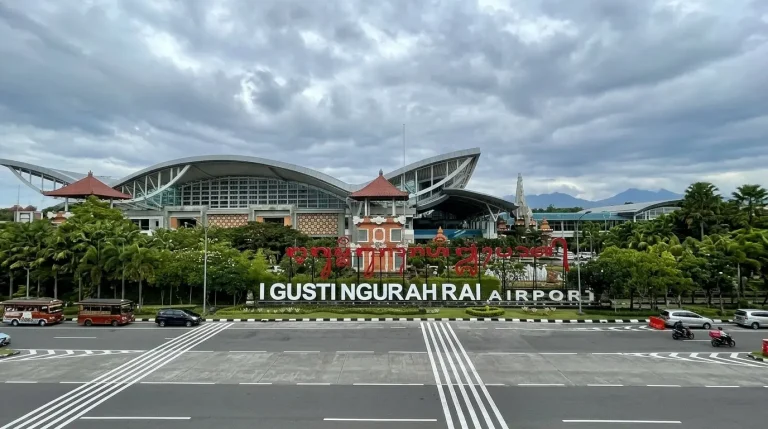
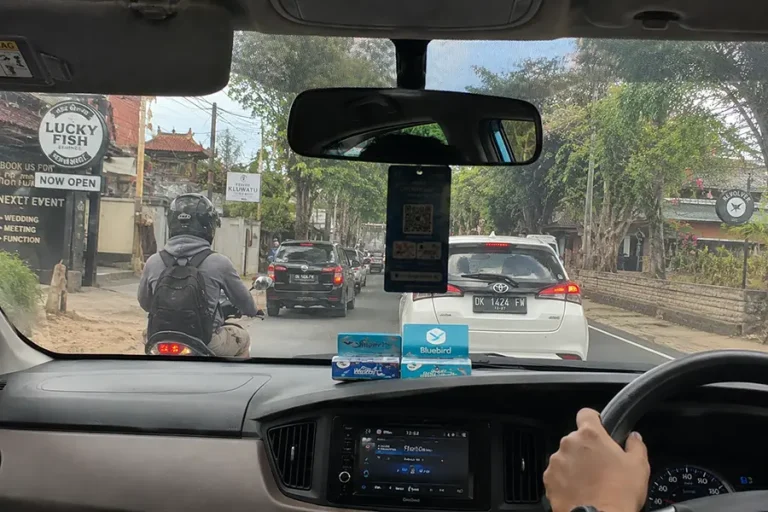
Ngurah Rai, the international airport in Bali, is a checkpoint for foreign travelers. They have to find transportation from the airport to their hotel, and the airport transfer service is one of the most frequently chosen options. This service can ensure a comfortable trip from the airport in a well-maintained car. Benefits of Bali Airport Transfer Service Travelers from outside Bali may be confused when looking for transportation. In Bali, there are various modes of transportation to choose from, which can be even more confusing. Booking an airport transfer can make it easier to get to your desired destination from the airport efficiently. As a tour guide working in Bali, airport transfers have become a popular service for foreign tourists. Those who are not very familiar with public transportation in Bali prefer hassle-free transportation such as airport transfers. I will explain why airport transfers in Bali are so necessary: Support Right From the Airport Upon arrival at the airport, you will be directed to an easily accessible pick-up point. You just need to follow the instructions given to meet the driver. You don’t need to confirm manually or pay anything else upon arrival at the airport. Airport transfers are a comprehensive transportation service that includes pick-up and drop-off at your destination. The pick-up point at Ngurah Rai Airport is also convenient. If you book in advance, the driver will be there before you arrive. One-Time Payment, Fixed Cost You don’t have to pay multiple times, for example, after paying the booking fee, you have to pay the driver. That is not the usual mechanism for airport transfer services. With a one-time payment, you can get comprehensive service. The cost of airport transfers may vary depending on the type of vehicle, distance traveled, and time of day. Although it varies, the service will set a price that will not be changed. A reliable airport transfer will not burden you with hidden costs and will be transparent about the terms of service. Safer Than Public Transportation Travelers may be concerned when traveling by public transportation, especially if it is their first time traveling to Bali. Compared to public transportation, airport transfers are much safer as long as you choose the right operator. You can also maintain your privacy better because you are not sharing a car with strangers. Licensed & Experienced Driver Reputable airport transfers will offer experienced drivers to ensure passenger safety. They also understand the most efficient routes so that the trip doesn’t take too long. Airport transfer services are usually included in tour packages. So they will also take you to the destinations you want to visit. If you need recommendations for places to visit, the driver will also provide the best options. Flexible Services With airport transfer services, you can choose which vehicle you need. Depending on the tour operator you choose, the types of cars available may vary. For small groups, you can choose an MPV car (6 seats). But if you are traveling with a large group, a 10/14-seater minibus may be the right choice. Airport transfers by minibus can save on transportation costs per person. Whatever the vehicle, the tour operator will ensure it is in optimal condition. Professional airport transfers are also flexible in case of delays, for example, due to changes in flight schedules. They will monitor real-time updates so you don’t have to worry even if you experience a flight delay. If you need any additional services, you can contact customer service or the driver. How to Choose the Best Airport Transfer in Bali? Airport transfers are a necessity for many people, especially tourists. If you want a safe and smooth shuttle experience, you must be selective in choosing the service. Need help finding the best airport transfer in Bali? You can follow these guidelines: Check How to Book For a smooth booking process, you should choose a Bali airport transfer service with an easy booking method. One common way to book this service is by sending a WhatsApp message. WhatsApp is the most frequently used platform for travel services in Bali. You don’t need to visit a tour office; booking can be done quickly and easily using your phone. Other ways to book are by phone call, chat on the official website, or email. Choose a 24-Hour Airport Transfer No one can predict schedule changes or flight delays that may also affect transportation bookings. Not only do you need to be flexible, but you should also choose an airport transfer service that operates 24 hours a day. This way, whenever you arrive at Ngurah Rai, you can access comfortable transportation. Check Customer Reviews To find out about the quality of airport transfers, learn from customers who have used the service before. You can find out about the driver’s attitude, whether they are helpful and friendly or not. It’s best to avoid airport transfers with too many negative reviews. You can find this information in the comments section of social media posts. Other sources include user reviews on Google Maps or other travel platforms. Choose One That Offers Competitive Prices Since the tourism industry in Bali is so competitive, it’s only natural to be more selective about prices when choosing a tour service. It does take time to research each airport transfer service, but it’s worth it to save on your trip expenses. Bali Touristic provides quality airport transfer services at competitive prices, ready for your adventure in Bali. Frequently Asked Questions What should I do after arriving at the airport? To continue your journey, you can go to the pickup point according to the shuttle service you have chosen. Don’t forget to double-check your luggage. How do I book an airport transfer? You can book through the relevant platform (website/app) and don’t wait until the last minute. Save the booking confirmation that is usually sent to your email address. Is there a tour service that includes airport transfer? Yes, tour packages that include airport transfers are in high demand among