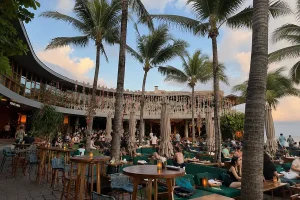


A coffee plantation Bali visit gives you more than just a cup of coffee. You walk through green farms, breathe in cool mountain air, and learn how coffee goes from seed to cup. Furthermore, you get to enjoy a free coffee tasting Bali session with local flavors you will not find anywhere else. One of the most popular is Luwak coffee, a rare brew made from beans processed by a civet cat.
Therefore, this experience is perfect for travelers who want something calm, educational, and truly Balinese. Whether you travel solo, with friends, or with family, a coffee plantation tour fits every kind of itinerary.

Why Visit a Coffee Plantation in Bali?
First of all, Bali’s coffee culture goes back generations. Local families have grown and roasted coffee using traditional methods for centuries. As a result, a visit to a coffee plantation Bali feels deeply authentic.
Moreover, the setting is unlike anything you find in the city. Farms are surrounded by spice trees, jungle valleys, and rice paddies. Because of this, the atmosphere feels peaceful and unhurried. You can slow down, listen to birds, and truly enjoy your surroundings.
In addition, most plantations are family-run businesses. When you visit, you directly support local farmers and their communities. Consequently, your trip becomes more meaningful and responsible.

Best Areas for Coffee Plantation Bali
Bali has three main regions known for their coffee farms. Each area offers a different atmosphere and a unique coffee experience.
Ubud
Ubud is the most popular starting point for a coffee plantation Bali tour. The area is easy to reach and combines well with other attractions. Furthermore, Ubud plantations tend to focus on culture and tradition. You will often see how Balinese Hindu beliefs connect with farming practices. Some top spots in this area include Satria Coffee Plantation and Bali Pulina Agro-Tourism Coffee Plantation.
Kintamani
Kintamani sits at a higher elevation, which means cooler air and breathtaking views of Mount Batur. As a result, the Kintamani coffee grows slowly and develops a rich Arabica flavor. Segara Windhu Coffee Plantation is one well-known option in this region. It sits on the edge of a jungle valley and offers free entry with a tasting tray of 14 different coffees and teas. Luwak coffee is also available for an additional cost.
Munduk
Munduk is ideal for visitors who want to escape the crowds. This highland village feels quiet and untouched. Therefore, it suits travelers who prefer a more relaxed and private experience. The plantation views here are especially scenic, with mist rolling over the hills in the morning.
What to Expect During Your Coffee Plantation Bali Tour
Most coffee plantation Bali visits follow a similar and enjoyable format. Here is what typically happens during your tour.
First, a friendly guide welcomes you and walks you through the farm. You see different types of coffee plants, including Arabica and Robusta. Additionally, you learn how beans are harvested, dried, and roasted. Guides usually speak English and are happy to answer questions.
Next comes the highlight: the coffee tasting Bali session. You sit at a wooden table with views of the plantation and enjoy 6 to 14 different drinks. These include:
- Luwak coffee (civet coffee)
- Coconut coffee
- Ginger coffee
- Chocolate coffee
- Vanilla tea
- Ginseng tea
Finally, most plantations have a small shop where you can buy freshly roasted beans, spice packs, and local products. Even if you do not plan to buy anything, it is worth a look.
Understanding Luwak Coffee at a Coffee Plantation Bali
Luwak coffee is one of the most talked-about aspects of any coffee plantation Bali visit. It comes from beans that a civet cat, called a luwak, has eaten and naturally processed. The digestive process removes bitterness and creates a smoother, more complex flavor.
However, it is important to choose ethically run plantations. Some places keep civets in poor conditions. Therefore, look for farms where civets live freely in a natural environment. Responsible plantations are open about how they produce their Luwak coffee.
In terms of price, a small cup of Luwak coffee typically costs around IDR 50,000 to IDR 80,000. This is usually separate from the free tasting session.
Coffee and Culture: What Makes Bali Coffee Special
Coffee in Bali is more than a drink. It is part of daily life and community. In many villages, families gather every morning to share coffee before the day begins. Because of this deep tradition, visiting a coffee plantation Bali feels like a window into local life.
Traditional Balinese coffee is often served thick and strong, without milk. Some varieties are slightly sweet, while others are light and fruity. Each region has its own style, so the flavors you try in Kintamani may be quite different from those in Ubud.
In addition, the farms are full of spice plants like cinnamon, vanilla, cacao, and cardamom. As a result, the tour becomes a full sensory experience, not just about coffee.
Top Coffee Plantations in Bali to Visit
Here are some of the most recommended coffee plantation Bali options for 2026:
- Satria Coffee Plantation: Known for organic Balinese coffee and Kopi Luwak. Located near Tegallalang Rice Terrace in Ubud.
- Bali Pulina Agro-Tourism Coffee Plantation: Offers a hands-on educational experience with scenic views. Great for families and first-time visitors.
- Lumbung Sari House of Luwak Coffee: A smaller, quieter option for those who want a more personal coffee experience.
- Pemulan Bali Coffee Plantation: Offers 14 different coffee and tea samples for free. Luwak coffee is available at an affordable price.
- Segara Windhu Coffee Plantation: Located about 30 minutes from Ubud on Jalan Raya Kintamani. Free entry with spectacular jungle valley views.
- Alas Harum Agro Plantation: A popular Ubud option with free tastings of 7 teas and 7 coffees. Also offers unique swing experiences.
Practical Tips for Your Coffee Plantation Bali Visit
Planning ahead makes a big difference. Therefore, keep these tips in mind before you go:
- Go in the morning. Temperatures are cooler and the light is beautiful for photos.
- Wear comfortable, closed shoes. Plantation paths can be uneven and muddy.
- Bring a light jacket, especially in Kintamani or Munduk where it gets cool.
- Try every drink at the tasting, even if you do not usually drink coffee.
- Ask your guide questions. They love sharing stories about their farm and family.
- Check reviews before you choose a plantation to ensure ethical treatment of animals.
Additionally, if you want to combine your plantation visit with other Bali attractions, plan your route in advance. Many farms are near rice terraces, temples, and scenic viewpoints.
Supporting Local Families Through Your Visit
Every time you visit a coffee plantation Bali, you contribute to the local economy. Most of these farms are not large commercial operations. Instead, they are run by families who have worked the land for generations.
When you buy a bag of coffee beans after your coffee tasting Bali session, you help these families grow. Furthermore, choosing a local plantation over a commercial coffee chain means your money stays within the community. This kind of responsible travel makes your experience more rewarding for everyone.
Plan Your Journey with Bali Touristic
Exploring a coffee plantation in Bali is best enjoyed as part of a well-planned itinerary. You can combine your plantation visit with nearby rice terraces, temples, and highland viewpoints for a full and satisfying day out.
To make the most of your trip, consider booking a Bali tour package that includes multiple destinations in one comfortable and well-organized journey. A local guide will ensure you get the best experience at every stop.
Getting between locations in Bali is much easier with reliable transportation. Because plantation areas like Kintamani and Munduk are in the highlands, having your own vehicle makes a real difference.
A rent a car with driver service lets you travel at your own pace, with a local driver who knows the best routes and hidden spots. This way, you can relax and focus entirely on enjoying the journey.
Bali Touristic is ready to help you design the perfect coffee plantation Bali experience. From route planning to transportation and guided tours, everything is handled so you can simply enjoy Bali.

Questions About Coffee Plantation Bali
What can you expect during a coffee plantation Bali visit?
You will walk through the farm with a knowledgeable guide who explains how coffee grows and is processed. After the farm walk, you sit down for a coffee tasting Bali session with up to 14 different drinks. Most tastings are free. The whole experience usually takes between one and two hours.
Is Luwak coffee available to try at a coffee plantation in Bali?
Yes, most coffee plantations in Bali offer Luwak coffee as part of or alongside the free tasting session. It is usually served in a small cup and costs between IDR 50,000 and IDR 80,000, depending on the plantation. When choosing where to try it, look for farms that keep their civets in humane and natural conditions.
Are coffee plantations in Bali suitable for children?
Yes, most coffee plantation Bali spots are family-friendly. Children enjoy walking through the farm, seeing the animals, and exploring the spice plants. The open outdoor environment is safe and spacious. The tasting session also includes herbal teas and chocolate-based drinks that kids tend to love.
Do you need to pay an entrance fee at a coffee plantation in Bali?
Many coffee plantations in Bali offer free entry, including a complimentary tasting of various coffees and teas. However, premium options like Luwak coffee usually come at an extra charge. Some smaller or more exclusive plantations may charge a small entrance fee, so it is worth checking before you visit.
What is the best time of day to visit a coffee plantation in Bali?
Morning is the best time to visit a coffee plantation Bali. Temperatures are cooler, the air is fresh, and the plantation looks especially beautiful in the early light. Most farms open between 9 AM and 10 AM. Visiting early also means fewer crowds, which makes the tasting session more relaxed and enjoyable.
Which coffee plantations are best for first-time visitors in Bali?
For first-time visitors, Bali Pulina Agro-Tourism Coffee Plantation and Alas Harum Agro Plantation in Ubud are excellent starting points. Both are accessible, well-organized, and offer free tastings with knowledgeable guides. If you prefer a scenic highland experience, Segara Windhu Coffee Plantation near Kintamani is another top recommendation.