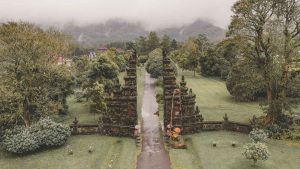


Bali in January is the rainiest month, and most travel guides skip the honest details: west-facing beaches can collect debris from monsoon currents, boat trips to Nusa Penida get rough, and Ubud gets properly soaked on some days. That said, mornings are often sunny, prices drop sharply after the New Year rush, and the island is quieter than at almost any other time of year.
If you plan around the rain rather than against it, January in Bali is genuinely enjoyable. Here is everything you need to know to make that happen.

Bali January Weather: The Real Picture
January sits right in the middle of Bali’s wet season, which runs from October through March. It is historically one of the island’s rainiest months, with an average of around 286 mm of rainfall spread across 20 or more rainy days. That sounds like a lot, but the daily pattern matters more than the monthly total.
Most days follow a consistent rhythm: mornings are warm and often sunny, clouds build through midday, and heavy rain arrives in the late afternoon or evening. The downpours are intense but short. You can usually complete a full morning of outdoor activities before the weather shifts.
| Detail | January Average |
| Daytime high | 27–31°C (81–88°F) |
| Nighttime low | 23–25°C (73–77°F) |
| Rainfall | ~286 mm across 20+ rainy days |
| Humidity | 82–85% |
| Sea temperature | 28–29°C (82–84°F) |
Microclimates: where you stay makes a difference
Bali is not uniformly wet in January. The east and south coasts, including Nusa Dua, Sanur, and Amed, tend to receive less rainfall than central Ubud or the western coast. If minimizing rain disruptions matters to you, those areas are worth considering as your base. Ubud and the mountainous interior get the heaviest rain, though the trade-off is that rice terraces and jungle scenery look their most vivid in this season.
Is Bali Worth Visiting in January? Honest Pros and Cons
January is not Bali’s best month for weather, but it has real advantages for travelers who go in with clear expectations.
The advantages
- Hotel rates and villa prices drop significantly after the New Year holiday crowd leaves
- Flights are cheaper compared to peak season months like July and August
- Attractions are far less crowded, so you can enjoy places like Tirta Empul without fighting for space
- Waterfalls are at their most powerful and dramatic due to the rainfall
- The island is lush and deeply green, and the scenery is genuinely stunning
- East coast surf breaks reach their seasonal peak
The honest drawbacks
- West-facing beaches in the south, including Kuta, Seminyak, and Canggu, can accumulate washed-up debris and plastic from monsoon currents. Plan beach time at Nusa Dua or Sanur instead
- Boat transfers to Nusa Penida and the Gili Islands can be rough and are sometimes cancelled due to sea conditions
- Ubud and highland areas get heavy, sustained rain on some days, not just quick afternoon showers
- Outdoor sunrise hikes such as Mount Batur can be hit-or-miss with cloud cover blocking the view
Best Things to Do in Bali in January
The key to a great January trip is to front-load outdoor activities in the morning and leave afternoons for indoor or sheltered options. With that structure, most days work out well.

Visit waterfalls while they are at their most dramatic
January rainfall means Bali’s waterfalls run at full force. Tegenungan Waterfall near Ubud is one of the most accessible and looks spectacular in the wet season, with strong flow and a lush jungle backdrop. Kanto Lampo, also near Ubud, is a tiered fall with a natural pool that fills beautifully after rain. For something more remote, Sekumpul in North Bali offers raw scale that justifies the longer drive. Arrive at any waterfall before 9 am to catch clear water before rain upstream muddies the flow.

Surf the East Coast
January is actually a strong month for surfing in Bali, just not on the west coast. The shift in seasonal winds brings good swells to east-facing breaks. Keramas is the standout, with powerful right-handers and a beach that stays cleaner than west-coast alternatives. Nusa Dua and Serangan also come into form and offer more manageable conditions for intermediate surfers. Beginners will find east coast spots ideal in January because crowds are small and instructors have better availability.

Explore Ubud’s cultural highlights
Rain makes Ubud’s temple circuit more atmospheric, not less. Tirta Empul, the sacred spring temple in Tampaksiring, is one of Bali’s most compelling sites and does not need sunshine to impress. The Ubud Monkey Forest stays open through rain and the jungle feels more alive in the wet season. Uluwatu Temple on the southern cliffs works well in January too, though keep an eye on the resident monkeys, which are notorious for grabbing phones and sunglasses. If you want to cover multiple sites in a day with the flexibility to reroute based on weather, using a Bali car rental with driver is the most practical option.

Walk the Tegalalang Rice Terraces
Tegalalang, just north of Ubud, looks its most vivid green in the wet season. The paddies are fully irrigated and the colors are more intense than during dry months. Arrive before 8 am to beat both the rain and the tour groups. The combination of mist, green terraces, and morning light makes this one of the best times of year to photograph the site.

Go white-water rafting on the Ayung River
Rainfall fills the rivers, and the Ayung River near Ubud runs with more power in January than during the dry season. White-water rafting here is a solid half-day activity that actually improves in wet season conditions. Most operators run Grade II to III rapids, making it accessible for most fitness levels. It is also a great afternoon fallback because you are going to get wet anyway.

Book a spa, cooking class, or yoga retreat
January’s rainy afternoons are made for Bali’s wellness scene. Balinese massage is widely available and affordable, and Ubud has multiple yoga studios running daily drop-in sessions as well as week-long retreats. Cooking classes in Ubud typically include a morning market visit followed by a hands-on session, which fits the January rhythm perfectly since both happen before the afternoon rain moves in.
Where to Stay in Bali in January
Nusa Dua and Sanur
These areas see less rainfall than the west coast and have calmer, cleaner beaches in January. Nusa Dua has a protected lagoon and a cluster of upscale resorts that offer good value in the low season. Sanur has a relaxed, local atmosphere with easy beach access on the sheltered east-facing shore. Both are good bases if beach time is a priority for your trip.
Seminyak and Canggu
Still solid options for restaurants, cafes, nightlife, and wellness. Just be aware that the beach in these areas can be less appealing in January due to debris washed in by monsoon currents. Budget your time accordingly and you will be fine using these as a base while doing day trips elsewhere.
Ubud
The cultural heart of Bali and excellent for a January trip if you embrace the rain. The jungle and rice terrace scenery is at its best, and the town has enough cafes, restaurants, and galleries to fill any rainy afternoon. Expect heavier and more sustained rain than you would get on the coast.
Amed
A quieter east coast village that gets less rain than Ubud or the west coast. Amed is well regarded for snorkeling and diving, and the east-facing waters stay relatively calm and clear in January. Worth considering if you want a slower, more peaceful trip away from tourist crowds.
5-Day Bali Itinerary for January
This itinerary front-loads outdoor activities in the mornings and reserves afternoons for indoor or covered experiences. It is built around the January rain pattern.
Day 1: Arrival and settling in
Arrive and transfer to your accommodation. If you land in the morning, use the afternoon to walk around your area, find a good local warung for dinner, and rest. Arranging a Bali airport transfer in advance means you are not negotiating transport at the airport after a long flight.
Day 2: Ubud temples and rice terraces
Start early at the Tegalalang Rice Terraces before tour groups arrive, then drive to Tirta Empul for the sacred spring temple experience. After lunch in central Ubud, visit the Monkey Forest or browse the art market. If rain hits by early afternoon, duck into one of Ubud’s many cafes, which are perfectly designed for exactly this situation.
Day 3: Waterfall day
Head out early for Tegenungan Waterfall, followed by Kanto Lampo if conditions are still good. The drive between them is short. Book an afternoon cooking class or spa session in Ubud. This day works particularly well in January because the waterfalls look their best and the afternoon indoor activity naturally fits the rain timing.
Day 4: South Bali and Uluwatu
Drive south to Uluwatu Temple in the morning for the cliffside views and temple atmosphere. Spend the afternoon at Nusa Dua beach, which stays cleaner in January than west-coast alternatives. Watch the Kecak Fire Dance at Uluwatu at sunset before heading to Seminyak for dinner.
Day 5: East coast and departure
If you have an afternoon or evening flight, head east to Sanur or Keramas beach in the morning. Keramas is worth a stop even if you are not surfing since the beach is clean and the waves are impressive in January. Return to the airport for your flight.
Practical Tips for Visiting Bali in January
What to pack
- A compact, packable rain jacket (essential, not optional)
- Quick-dry sandals or lightweight footwear that handles wet paths
- A small dry bag or waterproof pouch for your phone and wallet
- Lightweight clothing that dries fast
- Sunscreen, because the sun remains intense between showers
Getting around
Hiring a private driver for the day is the most practical transport option in January. It keeps you dry between stops, lets you adjust plans based on where rain is falling, and is generally affordable. Grab and Gojek work well in tourist areas, though motorbikes are much less comfortable in heavy rain. If you are planning multiple day trips, renting a car with a driver for a few days makes the whole trip smoother and more flexible.
Timing your days
Start outdoor activities by 7 or 8 am. Most days you will get a clear window until noon or 1 pm before clouds build. Plan cafes, cooking classes, spa sessions, and shopping for the 2 to 5 pm window when rain is most likely. Evenings typically clear again in time for a comfortable dinner.
What about Nusa Penida?
It is possible in January but worth managing expectations. Boat crossings from Sanur can be rough, and some sailings are cancelled due to sea conditions. If Nusa Penida is a top priority, build flexibility into your schedule, book a reputable operator, and choose a morning crossing when conditions tend to be calmer.
Plan Your January Trip with Bali Touristic
Getting the most out of Bali in January is much easier with a local team who knows which spots work well in the wet season and which ones to skip. Whether you need a Bali airport transfer, a flexible private Bali tour, or a car and driver for day trips around the island, Bali Touristic provides private services with experienced local drivers who understand the January rhythm.
Prefer to travel on your own terms? Our Bali car rental with driver service gives you a comfortable vehicle and a knowledgeable local driver for the whole day. You decide the itinerary, and Bali Touristic handles the rest. Contact Bali Touristic directly for bookings and travel assistance.

Frequently Asked Questions About Bali in January
Is Bali too rainy to visit in January?
January is Bali’s rainiest month, averaging around 286 mm of rainfall. However, rain typically falls in heavy afternoon bursts rather than all day. Mornings are usually clear, so most travelers can still enjoy a full itinerary by planning outdoor activities for earlier in the day.
Is January a good time to visit Bali for the first time?
It can be, especially on a budget. Hotel and tour prices drop after the New Year holiday crowd leaves. The trade-off is weather unpredictability, so you need to be flexible. If you are visiting Bali for the first time and want guaranteed sunshine, May through September is the more reliable choice.
Which beaches are best in Bali in January?
Nusa Dua and Sanur are the best beach options in January. Both face east and are sheltered from monsoon currents that carry debris to west-facing beaches like Kuta, Seminyak, and Canggu. Sea temperature is warm at around 28 to 29°C and conditions are calm enough for swimming.
Is Bali cheap in January?
Yes, January is one of the more affordable months to visit Bali. The post-holiday lull after New Year means airlines reduce prices and hotels drop rates to attract guests. You can often find good deals on villas and boutique hotels that are fully booked during peak season.
Can I surf in Bali in January?
Yes, but you need to surf the right side of the island. East coast breaks like Keramas, Nusa Dua, and Serangan are at their seasonal best in January due to the wet-season swell direction. West coast spots like Canggu and Uluwatu are better suited to the dry season months.
Is Nusa Penida worth visiting in January?
It is possible but comes with a caveat. Boat crossings from Sanur can be rough and are occasionally cancelled due to sea conditions. If Nusa Penida is a priority, build flexibility into your schedule and book a reputable operator. Morning crossings tend to be calmer than afternoon ones.
What is the best area to stay in Bali in January?
Nusa Dua and Sanur are the most weather-friendly options, as the east and south coasts receive less rainfall than Ubud or the west coast. Ubud is still excellent if you want culture and scenery and do not mind more rain. Amed on the east coast is a quieter option with clean water for diving and snorkeling.