

The Bali Subak Museum is an important cultural institution that showcases the rich history of Bali’s agricultural practices, particularly its traditional irrigation system known as “Subak.” Located in the beautiful region of Tabanan, the museum offers a fascinating insight into Bali agricultural heritage, which has shaped much of the island’s landscape, culture, and way of life.

The Museum Location and Surroundings
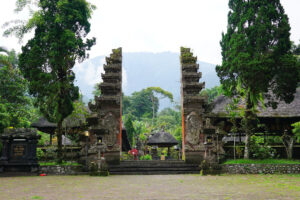
The Bali Subak Museum is located in Sangeh, a serene area surrounded by lush forests and beautiful landscapes. The museum is close to other popular attractions in the Bedugul region, such as Lake Beratan and the Ulun Danu Beratan Temple, making it an ideal stop for those exploring Bali’s highland area. The cool climate and peaceful surroundings enhance the experience, allowing visitors to fully immerse themselves in the history and culture of Balinese agriculture.
The Importance of Subak in Balinese Agriculture
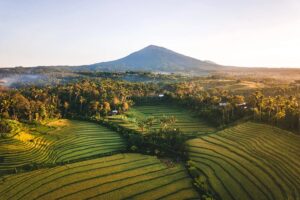
Subak is an ancient irrigation system that has been in use for centuries in Bali. It is a cooperative water management system that uses canals, rivers, and tunnels to distribute water to rice fields across the island. The system is not only a technical marvel but also a cultural and spiritual practice, as it involves the collaboration of local communities to ensure the sustainable use of water for rice cultivation.
The Bali Subak Museum highlights the intricacies of this unique water management system, which has been passed down through generations. In 2012, UNESCO recognized the Subak system as a World Heritage Cultural Landscape, underscoring its global significance and the profound connection between Bali’s agricultural practices and its cultural identity.
Exhibits and Collections
The Bali Subak Museum features a wide range of exhibits that showcase traditional agricultural tools and methods used in Bali rice farming. Visitors can explore various displays of farming tools such as sickles, plows, water wheels, and irrigation channels that have been essential to Balinese farming for centuries. The museum also features photographs, models, and artifacts that help tell the story of Bali’s agricultural evolution and the role of Subak in shaping the island rice terraces, which are now famous worldwide.
One of the key aspects of the museum is its focus on the agricultural cycle, from planting rice to harvesting, and the role of community cooperation in managing the Subak system. It provides a unique perspective on how Balinese farmers work together to maintain the delicate balance of the water supply that sustains their crops.
Cultural and Spiritual Significance of Subak
The Subak system is deeply intertwined with Bali’s cultural and spiritual beliefs. Water temples, or pura subak, play a central role in managing the water distribution. These temples are sacred sites where farmers gather for ceremonies and rituals to honor the gods and seek blessings for a bountiful harvest. The museum explores this connection between agriculture and spirituality, offering visitors an understanding of how the Balinese people view their relationship with nature, the land, and the divine.
The Role of Subak in Bali’s Sustainable Agriculture
The Subak system is more than just a historical irrigation technique; it is a cornerstone of Bali’s sustainable agriculture. As a cooperative water management system, Subak ensures that water resources are shared equitably among rice farmers. By working together, communities ensure that the limited water supply is used efficiently, preventing overuse and wastage. This system encourages environmental sustainability by relying on natural resources, respecting the land’s carrying capacity, and promoting a balanced ecosystem.
In addition to being environmentally conscious, Subak also supports biodiversity. The careful management of water and land allows a variety of crops to thrive, supporting not only rice farming but also the cultivation of other important crops such as vegetables, fruits, and spices. The long-term health of Bali’s agricultural sector depends on the preservation of this traditional system, as it provides an organic and ecologically sound alternative to modern farming techniques that may be more reliant on chemicals and intensive resource use.

The Challenges Facing the Subak System Today
While the Subak system has stood the test of time, it now faces several modern challenges that threaten its survival. Bali’s rapid urbanization, fueled by increasing tourism, has led to the encroachment of agricultural land. As more resorts, villas, and infrastructure are developed in Bali’s rural areas, the availability of water for traditional farming practices has become more limited.
Climate change is also posing significant risks. Changing rainfall patterns and prolonged dry spells make it more difficult for farmers to rely on the Subak system for consistent water supply. These changes in weather patterns impact the careful timing and coordination required for irrigation, threatening the success of the agricultural cycle. Additionally, the rise in demand for water by growing urban centers and tourism-related activities further complicates the situation.
Finally, younger generations are increasingly moving away from farming, seeking work in urban areas or in the tourism industry. This shift in employment has resulted in a decline in the number of people trained to manage the Subak system, leading to concerns about its future sustainability.
How the Bali Subak Museum Contributes to Preservation Efforts
The Bali Subak Museum plays a crucial role in preserving the island’s agricultural heritage. Through its exhibits, the museum educates visitors about the Subak system and its significance, not only in Bali’s agriculture but also in maintaining the island’s cultural identity. By showcasing traditional farming tools and practices, the museum highlights the importance of passing this knowledge on to future generations.
The museum also serves as a hub for awareness campaigns aimed at safeguarding the Subak system. It partners with local communities, environmental organizations, and government bodies to raise awareness about the challenges facing Bali’s traditional agricultural methods. By attracting tourists and local visitors, the museum helps generate support for the preservation of Subak and its surrounding landscapes, ensuring that the cultural and agricultural traditions of Bali continue to thrive.
Through its educational programs and interactive exhibits, the museum fosters an appreciation of Bali’s agricultural practices. It encourages the community, especially younger generations, to take an active role in maintaining these age-old systems, thereby contributing to both cultural preservation and the future sustainability of Bali’s agriculture.
Tips for Visiting the Bali Subak Museum
- Wear Comfortable Shoes: The museum involves walking through outdoor displays, so it’s best to wear comfortable footwear.
- Take a Guided Tour: To get the most out of your visit, consider hiring a local guide who can provide in-depth explanations of the exhibits and the history of the Subak system.
- Bring a Camera: The museum’s surroundings are picturesque, with lush greenery and beautiful scenery that make for excellent photo opportunities.
- Respect the Local Culture: As the museum highlights the sacred aspects of Balinese agriculture, it’s important to approach the exhibits and displays with respect for local traditions and customs.
What Makes Bali Subak Museum Unique?
- Focus on Subak Irrigation System: The museum showcases the Subak irrigation system, a unique water management practice that combines agriculture, spirituality, and community cooperation.
- Authentic Agricultural Tools: It features traditional farming tools such as sickles, plows, water wheels, and models of the Subak irrigation network, providing a tangible connection to Bali’s agricultural history.
- Educational Programs: The museum offers educational initiatives that highlight both the historical significance and the future challenges of the Subak system, including climate change and modernization.
- Cultural Preservation: The museum plays a key role in preserving Bali’s agricultural heritage, ensuring that traditional farming methods are passed down to future generations.
How to Get to Bali Subak Museum
The Bali Subak Museum is located in Sangeh, which is in the northern part of Bali, near the Bedugul area. It’s easily accessible from the popular tourist destinations in Ubud, Kuta, and Denpasar.
- From Ubud: The museum is approximately a 40-minute drive north of Ubud. Head towards Sangeh and follow signs to Lake Beratan. The museum is located in the village of Sangeh, which is a serene area known for its lush forests and agricultural landscapes.
- From Denpasar: The museum is about a 1-hour drive from Denpasar. You can take the Jalan Raya Singaraja route to reach Sangeh and follow the signs to the museum.
- By Public Transport: While public transportation in Bali can be limited, you can take a bus or local shuttle to the Bedugul area and then arrange a taxi or private transport to the museum.
For those unfamiliar with the area, hiring a local guide or driver is recommended for a more seamless journey, and it can also provide insights into the surrounding areas, including nearby attractions like Lake Beratan and the Ulun Danu Beratan Temple.
Plan Your Visit to Bali Subak Museum Today
If you’re planning a trip to Bali, be sure to include the Bali Subak Museum in your itinerary. This museum is a great place to learn about the origins of Balinese agriculture and its unique cultural traditions. Book your adventure with our bali tour package to explore this fascinating museum along with other nearby attractions, and gain a deeper understanding of Bali’s cultural landscape and environment.
Don’t forget to visit TripAdvisor to read reviews from previous visitors and get an idea of what to expect. Whether you’re a seasoned traveler or a first-time visitor, this museum promises to leave you with lasting memories of Bali’s agricultural heritage and cultural significance. Plus, it’s a perfect stop when visiting the Tabanan Interesting Places to Visit.

Frequently Asked Questions About Bali Subak Museum
What is the Bali Subak Museum about?
The Bali Subak Museum showcases the rich history of Bali’s traditional irrigation system known as “Subak.” It features exhibits of traditional farming tools, photographs, models, and artifacts that tell the story of Bali’s agricultural evolution and the UNESCO-recognized water management system.
What is the Subak system?
Subak is an ancient cooperative water management system that has been used for centuries in Bali. It distributes water from canals, rivers, and tunnels to rice fields across the island. In 2012, UNESCO recognized the Subak system as a World Heritage Cultural Landscape.
What can I see at the Bali Subak Museum?
Visitors can see traditional farming tools such as sickles, plows, water wheels, irrigation channel models, photographs, and artifacts showcasing the agricultural cycle from planting to harvesting. The museum also highlights the cultural and spiritual significance of Subak.
Where is the Bali Subak Museum located?
The museum is located in Sangeh, Tabanan, in the northern part of Bali near the Bedugul area. It’s close to Lake Beratan and Ulun Danu Beratan Temple, making it an ideal stop when exploring the highland region.
What are the museum’s opening hours?
The Bali Subak Museum is typically open from 8:00 AM to 5:00 PM daily, but it’s recommended to check ahead for any schedule changes or special events.
How do I get to the Bali Subak Museum from the airport?
The museum is located in the Bedugul area, about 1.5-2 hours from Ngurah Rai International Airport. For a comfortable journey, you can book our airport transfer service to reach this cultural destination conveniently.