
Saren Cliff Point in Nusa Penida

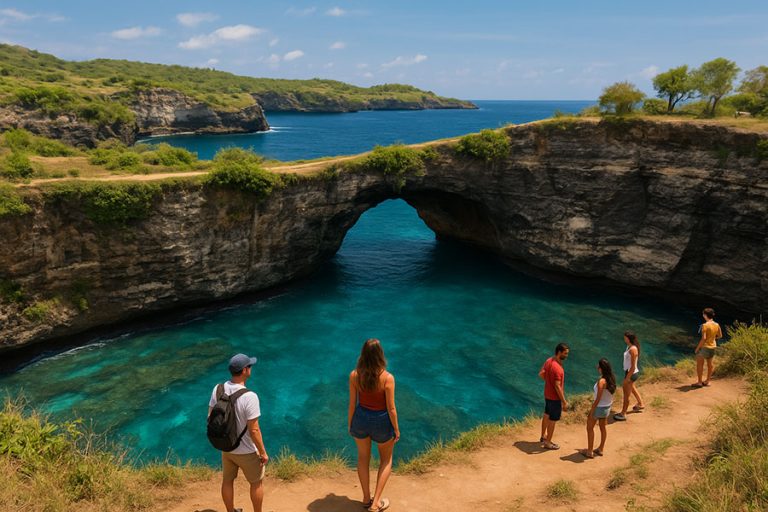
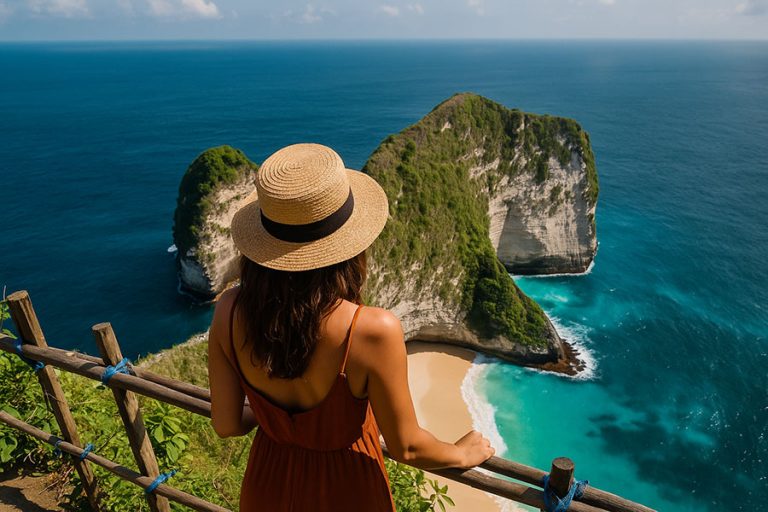
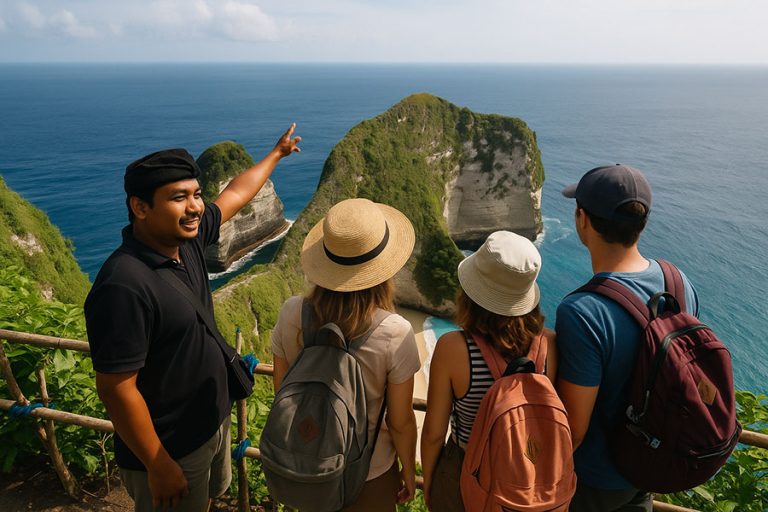
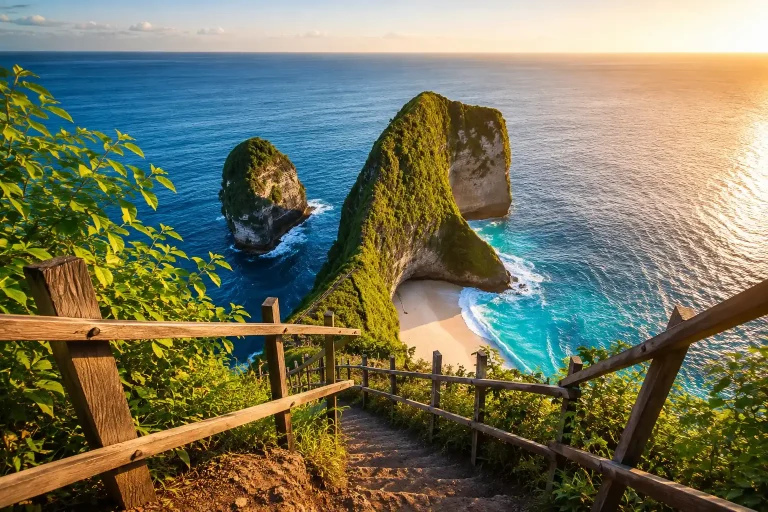
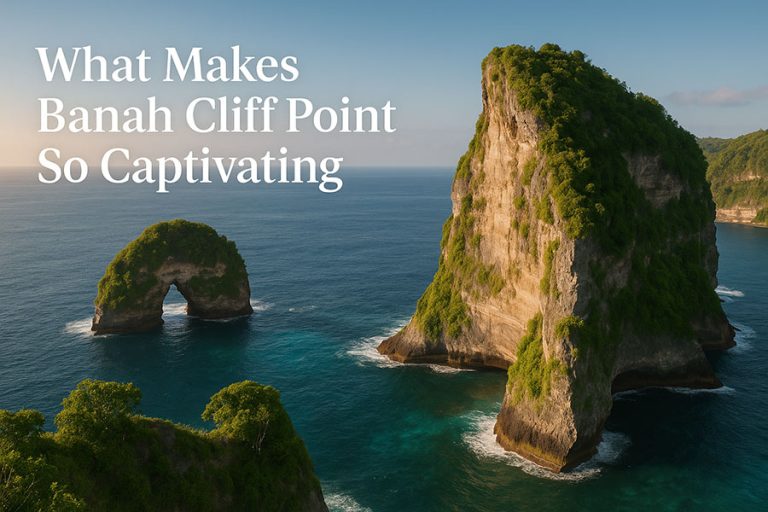
Saren Cliff Point: A Hidden Paradise with Stunning Views in Nusa Penida Located on the stunning island of Nusa Penida in Klungkung Regency, Bali, Saren Cliff Point is a breathtaking destination that offers some of the most spectacular coastal views in the region. This off-the-beaten-path destination has been gaining popularity among travelers seeking a peaceful, serene experience, away from the hustle and bustle of the more crowded tourist spots. Known for its captivating natural beauty, Saren Cliff Point promises a unique, tranquil escape for nature lovers and adventurers alike. Exploring the Beauty of Saren Cliff Point Saren Cliff Point offers visitors a rare opportunity to immerse themselves in Bali’s majestic landscapes, combining dramatic cliffs with verdant tropical forests. The viewpoint overlooks Tegallalang Rice Terraces, one of Bali most iconic attractions, and offers an intimate, awe-inspiring perspective of the agricultural landscapes. What makes Saren Cliff Point special is its sense of solitude and unspoiled nature. As you stand at the cliff edge, you are treated to panoramic views that stretch across valleys filled with terraced rice fields, traditional villages, and forested hillsides. On a clear day, you may even catch glimpses of the Mount Agung volcano in the distance, adding to the site’s natural splendor. In addition to the stunning landscapes, visitors can experience the calmness of the Balinese countryside as they explore the quiet surroundings. The area is also an excellent spot for photography, especially during golden hour, when the soft light casts a warm glow over the landscapes. Activities at Saren While the primary draw of Saren Cliff Point is the incredible view, there are plenty of activities to enjoy here: Photography: The viewpoints at Saren Cliff Point are perfect for capturing the beauty of Bali’s countryside. Whether you’re interested in wide-angle landscape shots or close-up images of the rice terraces and local wildlife, there’s no shortage of photo opportunities. Nature Walks: For those who love a bit of adventure, walking around the cliff and exploring the surrounding area is highly recommended. You’ll have the chance to witness Bali diverse flora and fauna, along with the tranquil ambiance of the environment. Sunrise or Sunset Viewing: One of the most magical experiences at Saren Cliff Point is witnessing either the sunrise or sunset. The views of the sun rising over the misty rice fields or setting behind the mountains are unforgettable. Relaxation and Meditation: For those seeking peace and solitude, Saren Cliff Point is a great place for reflection, meditation, or simply enjoying the serene beauty of nature. Cultural Exploration: You can also visit the nearby Tegallalang Village to explore the traditional Balinese culture and lifestyle. The village is famous for its rice terraces and local handicrafts, providing visitors with insight into Bali agricultural traditions and artisanal crafts. Exploring Marine Life in Nusa Penida Nusa Penida is one of the best places in Bali to experience marine life, offering various activities that let you get close to its rich underwater ecosystem. Snorkeling: The waters around Nusa Penida are home to an abundance of marine life, including vibrant coral reefs, tropical fish, and even majestic manta rays. The popular Manta Point is known for manta ray sightings, while Crystal Bay offers clear waters and colorful reefs. You can easily book a snorkeling tour from local operators around the island. Scuba Diving: For those looking to dive deeper, Nusa Penida is renowned for its world-class diving spots. Blue Corner and SD Point are famous for their incredible underwater landscapes and diverse marine species. You can encounter everything from sea turtles and sharks to schools of fish and vibrant coral gardens. Manta Rays: One of the most sought-after experiences on Nusa Penida is swimming with manta rays at Manta Point. These gentle giants are a highlight for many visitors. A guided tour is usually recommended to safely interact with them. Diving Centers: Several diving centers on the island offer beginner-friendly courses, including PADI certification. These centers ensure safety and provide equipment rental, so whether you’re a novice or an experienced diver, you can enjoy exploring Nusa Penida’s rich marine environment. Eco-Friendly Practices: As marine life conservation is a growing concern, be sure to choose tour operators who follow eco-friendly practices, such as avoiding touching coral or disturbing marine creatures. Respecting local wildlife and the environment helps preserve these delicate ecosystems for future generations. Dining Recommendations For those looking to enjoy a meal near Saren Cliff Point, Nusa Penida offers several dining options. The Deck Café & Bar is a great choice for those who want to enjoy delicious food with stunning ocean views, offering a mix of Indonesian and Western cuisine, with seafood being a highlight. For a more traditional experience, Warung Bambu serves authentic Balinese dishes like nasi goreng and babi guling in a cozy, family-run atmosphere. Amok Sunset Restaurant provides a fantastic spot for sunset views and seafood specialties. If you prefer a laid-back beachside vibe, Penida Colada Beach Bar & Restaurant offers a relaxed ambiance with a variety of international and local dishes. Lastly, Warung Dapur Deli is perfect for those seeking healthy, fresh options like smoothies, wraps, and organic meals. These dining spots provide a great variety of options to enhance your visit to Saren Cliff Point. Visitor Information for Saren Cliff Point To make the most of your visit to Saren Cliff Point, here’s some essential information: Operating Hours Saren Cliff Point is open daily from 6:00 AM to 6:00 PM. If you’re hoping to catch the sunrise, be sure to arrive early to witness the early morning light. However, be aware that it can get a bit crowded during peak hours, so a morning visit is recommended for a more peaceful experience. How to Get There Saren Cliff Point is located in the southern part of Nusa Penida, making it easily reachable from various parts of the island. Here’s how you can get there: By Car or Scooter: The easiest way to get to Saren Cliff Point is by renting a scooter or car. From the
Lepang Beach the Black Sand in Klungkung

Lepang Beach: A Quiet Escape in Bali’s East Coast For those interested in exploring a more traditional and unspoiled Bali, Lepang Beach is the perfect destination to relax, unwind, and embrace the island natural beauty. Tucked away in the Klungkung regency, Lepang Beach offers an untouched coastal escape that feels like a secret waiting to be explored. This peaceful stretch of black sand is a sanctuary for those looking to reconnect with nature, far from Bali’s usual tourist hotspots. Whether you’re seeking a quiet spot for relaxation, capturing the stunning views through your lens, or simply soaking in the beauty of the sea, Lepang Beach provides a tranquil experience that reflects Bali more serene side. Exploring the Beach Lepang Beach is known for its stunning black sand, which contrasts beautifully with the turquoise waters. The beach is lined with gentle waves, making it a fantastic spot for swimming and wading, especially for those who prefer a quieter beach experience. The surroundings are lush with tropical greenery and coconut trees, creating a natural backdrop that adds to the idyllic setting. One of the highlights of Lepang Beach is its peaceful atmosphere. The beach is not as crowded as other Bali beaches, offering visitors the opportunity to enjoy a more intimate and private experience with the ocean. It is perfect for those who want to spend a quiet day by the sea, meditate, or just take in the view without the distractions of busy tourist spots. What Makes Lepang Beach Special? Seclusion: Unlike the busy beaches in southern Bali, Lepang Beach offers a more isolated experience, where visitors can enjoy the natural beauty of the area without large crowds. Authentic Bali: The beach gives visitors a chance to experience Bali as it once was—untouched and peaceful, far away from the commercialized areas. The area is less developed, which contributes to its charm. Fishing Village: Lepang Beach is also home to a small fishing village, where you can observe local fishermen at work. This adds to the authenticity of the place and provides insight into the traditional livelihood of the coastal communities. Sunrise Views: One of the most stunning features of Lepang Beach is its position, which offers breathtaking sunrise views over the ocean. Early risers can enjoy the sight of the sun rising above the horizon, casting beautiful colors across the sky. Visitor Information for Lepang Beach For a smooth and enjoyable visit, here’s some important information to keep in mind when planning your trip to Lepang Beach: Operating Hours Lepang Beach is open to visitors at all times, though it is best to visit during daylight hours. The beach is especially beautiful at sunrise, and early morning visits offer a peaceful and cool environment for a morning stroll along the shore. How to Get There Lepang Beach is located on the east coast of Bali, in the Klungkung Regency, and can be easily reached by car or motorcycle from the main tourist areas in Bali. Here’s how you can get there: From Denpasar: The drive takes around 1 to 1.5 hours, depending on traffic, via Jalan Raya Amlapura. From Ubud: It’s about a 1-hour drive east through picturesque villages and rice fields, providing a scenic route along the way. By Taxi or Car Rental: A taxi or a rental car is the most convenient way to get there, especially if you’re traveling with family or a group. What to Bring While visiting Lepang Beach, it’s important to bring the following: Sun Protection: Bring sunscreen, a hat, and sunglasses to protect yourself from the sun, as there is limited shade on the beach. Swimwear: If you plan on swimming or wading in the water, don’t forget to bring your swimwear. Water and Snacks: Although there are small shops in the surrounding areas, it’s a good idea to bring your own water and snacks, especially if you plan on spending a lot of time on the beach. Camera: The sunrise views and scenic landscapes are perfect for photography, so don’t forget your camera to capture the beauty of the moment. Entrance Fee There is no entrance fee to access Lepang Beach, making it a budget-friendly destination for those seeking a quiet escape without spending much. However, visitors are encouraged to support the local community by purchasing goods from the nearby vendors or fishermen. Nearby Attractions While Lepang Beach is serene and peaceful on its own, there are a few nearby attractions worth exploring if you have extra time: Tenganan Village: A traditional Bali Aga village located not far from Lepang Beach, where you can learn about Bali’s indigenous culture and ancient customs. Goa Lawah Temple: Also known as the Bat Cave Temple, this ancient temple is home to thousands of bats and is an important Hindu site. It’s located just a short drive away from Lepang Beach. Candidasa: A popular beach resort town known for its coral reefs, water sports, and nearby temples. It’s just a 15-minute drive from Lepang Beach and offers plenty of dining and accommodation options. Blue Lagoon: Known for its crystal-clear water, Blue Lagoon is a fantastic spot for snorkeling and diving, located about 30 minutes from Lepang Beach. Rules and Regulations To maintain the peaceful environment of Lepang Beach, visitors are encouraged to follow these basic rules: No Littering: Always dispose of trash properly to keep the beach clean and pristine. Respect Local Customs: Since there is a fishing village nearby, visitors are advised to respect the local community’s customs and way of life. No Loud Music: To maintain the tranquil atmosphere, avoid playing loud music or disturbing the peace of the area. Swim Safely: Always be cautious while swimming, as the beach can have strong waves at times. Explore Lepang Beach Now with Bali Touristic Lepang Beach offers a peaceful escape, with its untouched beauty and serene atmosphere. It’s the perfect spot for those looking to enjoy nature, capture breathtaking sunrises, or simply unwind by the water. With its tranquil setting and stunning views, it’s
Mushroom Bay (Beach Not Food): Hidden Paradise Beach

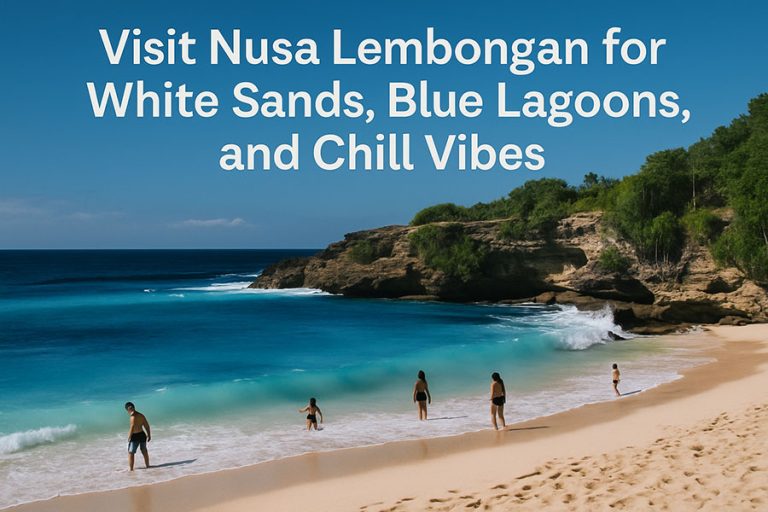
Mushroom Bay: The Only Mushrooms Here Are the Cloud Like Waves If you thought this was about mushrooms. Then you can think again. Mushroom Bay is a name of a beach. You an find this beach at Nusa Lembongan. This place offers you the sea, sands, and palm trees. Surely it is a perfect place for you to get an island escape. Furthermore, you can do some water activities in Mushroom bay. For example let’s say like sunbathing, snorkeling or even paddleboarding. The waves is not strong in Mushroom Bay. So, surely you can relax and swim here. Moreover, the colorful coral reefs are so beautiful. Therefore, they will give you an memorable underwater adventure. Then there are also a perfect spot for you to relax. It is the beachfront cafés. You can have a fresh coconut water while sitting on the sand. As the sun sets, Mushroom Bay will turn into a wonderful place with different view from before. It has peace vibes and picture perfect scenery. Whether you’re here for an adventure or just to relax. Surely, this bay proves that paradise is real in front of you! The Beauty of Mushroom Bay Mushroom Bay has calm turquoise waters. You will totally like it to swim and snorkeling at Mushroom Bay. The name of the bay comes from the corals that have mushroom shape. You can found them beneath the water’s surface. Surely, this adds to its natural appeal. In addition, the beach also has calm waves and shallow waters. So it become safe environment to visit. Therefore it is a popular destination for those visiting. Surely, it’s perfect for families. Or anyone that looking for a relaxed beach experience. In fact, Mushroom Bay has rocky cliffs and lots of green trees around it. This bay is quite hidden. Therefore it has tranquil atmosphere. Many small cafes on the beach. As well as beachfront resorts and traditional fishing boats. This creates a relaxed island atmosphere. Setting this bay apart from other commercial beaches in Bali. What Makes Mushroom Bay Unique Compared to Other Bali Beaches? Definitely, Mushroom Bay has a peaceful and quite atmosphere. This what make it from the populous beaches on the Bali mainland. Some key features that set it apart include: Calm and Shallow Waters. While Uluwatu or Canggu have strong waves ideal that for surfing. Mushroom Bay has gentle waves. So it’s perfect for swimming, snorkeling, and paddleboarding. Mushroom Shaped Corals. Name of the bay itself come from the mushroom like coral formations. Ao you will have it a unique underwater attraction. Island Atmosphere. Mushroom Bay is on Nusa Lembongan. So it has a relaxed island charm. This will give you a slower pace of life compared to Bali busier tourist areas. Close to Other Iconic Landmarks. You can easily explore Devil Tear, Dream Beach, and Mangrove Forest. Therefore it is an ideal stop for island Sustainability and Conservation Efforts Mushroom Bay still has its pureness. Because in this place they have strong community and environmental efforts. Organizations and dive operators in local area work together. They try to preserve the coral reefs and protect marine biodiversity. Some of the key initiatives include: Coral Reef Restoration. They try to rehabilitate coral reefs that damage through coral transplantation projects. Waste Management Programs. Locals and businesses collaborate to reduce plastic waste and promote eco friendly tourism. Sustainable Tourism Practices. Many beach resorts and tour operators encourage responsible snorkeling and diving. For ensuring minimal impact on marine life. Furthermore, you will be asked to respect these conservation efforts. You can do that by avoiding to touch the corals and using reef safe sunscreen. Plus minimizing plastic waste while enjoying the bay beauty. Culture and Local Life Origin people in Mushroom Bay mostly make a living from tourism and traditional fishing. Therefore many local families open beach cafés, dive shops, and homestays for tourists. Certainly you will feel friendly and authentic atmosphere in Mushroom Bay. They also have seaweed farming industry. This is also become vital part of local life. The farmers harvest the green and red seaweed for export. You will be able to see they had the seaweed drying on the bamboo racks along the beach. So interesting! You can learn this traditional Balinese livelihood. Religious traditions are very respected here. The local Hindu ceremonies and temple rituals are held regularly. Certainly, it’s adding a cultural charm to the area. You may see how they do the Balinese offerings (canang sari) placed along the beach and in front of businesses. This mean to signifying gratitude and blessings. Marine Life at Mushroom Bay Mushroom Bay is a thriving marine ecosystem. That attracts divers, snorkelers, and marine enthusiasts looking for pristine waters and abundant sea life. Thanks to the bay calm and clear conditions. Also visibility underwater is excellent. Allowing visitors to observe a wide variety of marine species in their natural habitat. Vibrant Coral Reefs and Small Marine Species You already know that, the corals at Mushroom Bay have mushroom shape. However, this unique shape become shelters. And also provide food for a lot of small sea creatures, such as: Clownfish (Nemo). They like to go in and out of the sea anemone. Angelfish, butterflyfish, and parrotfish. These fishes add splash of color to the underwater landscape. Crustaceans such as crabs, shrimp, and lobsters. They like to hide and stay inside the coral crevices. Tiny seahorses and nudibranchs. You would see them when you are doing macro diving. To sum up, the coral reefs at Mushroom Bay are being part of the biodiverse ecosystem. That is why their conservation become a top priority. You will advised not to step on the coral. Moreover you can not take any marine life. All of these to preserve this underwater paradise. Encounters with Larger Marine Species Not only Mushroom Bay is known for its coral reefs. But it is also a hotspot for larger marine beings. If you are lucky, you could find these when you are snorkelling and diving. Sea turtles. They glide gracefully through the water. Also feeding on seagrass. Small reef sharks. They mostly blacktip and whitetip species.They are harmless to humans.
Japanese Cave in Klungkung

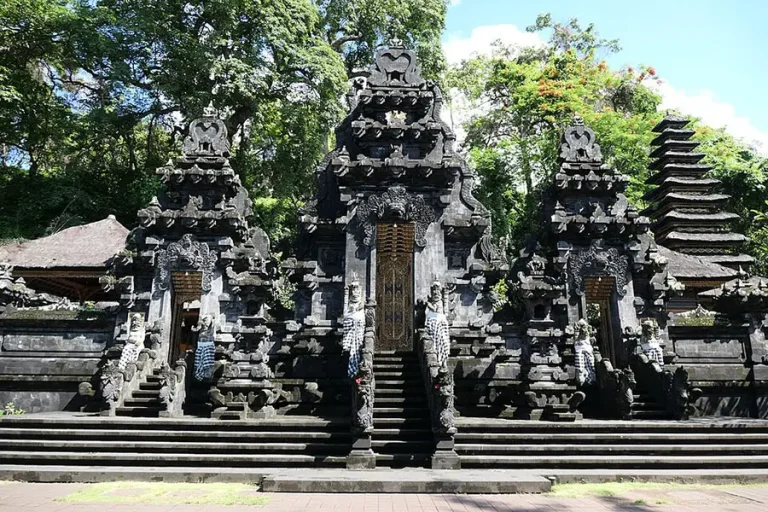
Exploring the Japanese Cave in Klungkung: A Historic War Relic in Bali Behind the charm of Bali natural beauty and culture, lies the dark story of World War II in the Japanese Cave in Klungkung. a defense cave built by the Japanese army when they occupied Indonesia. Hidden among solid rock cliffs and lush tropical trees, this cave presents a mysterious atmosphere that takes visitors back in time. For history lovers, adventurers, or photographers looking for a unique place, the Japanese Cave Klungkung offers a different experience—a blend of dark war stories, ancient defense architecture, and the beauty of the surrounding wilderness. Historical Background of the Japanese Cave in Klungkung During World War II, Japan occupied Indonesia (then the Dutch East Indies) from 1942 to 1945. In Bali, the Japanese military forces constructed several underground bunkers and caves as defensive fortifications and storage shelters to protect their troops from Allied attacks. One of these caves, located in Klungkung Regency, was carved into a rocky cliffside, serving as a strategic hideout. The caves were carved into the limestone cliffs along Jalan Raya Gunaksa, near the Tukad Bubuh River. The Japanese built these caves using forced labor from local Balinese people, who had to dig through the solid limestone using primitive tools. The caves were primarily used for: Sheltering Japanese troops from air raids. Storing weapons and supplies. Acting as an observation point for enemy movement. After Japan surrender in 1945, these caves were abandoned, and over time, they became a historical site that reminds visitors of Bali wartime past. Strategic Importance of the Cave During WWII The Japanese Cave in Klungkung was strategically located to provide a defensive advantage during World War II. Positioned along key transport routes, it allowed Japanese forces to monitor movements along the eastern coast of Bali, which was an essential entry point for potential Allied invasions. The interconnected tunnels and hidden entrances made it an ideal location for conducting ambushes, storing ammunition, and retreating without being easily detected. Furthermore, its placement within the limestone cliffside helped protect soldiers from aerial bombings and enemy reconnaissance. The cave location also ensured access to fresh water sources and nearby villages, which could be used for supplies and reinforcements. Despite its strategic advantages, the Japanese forces ultimately could not maintain control of Bali, and the cave was left abandoned after the war ended. Geological and Structural Features of the Cave The Japanese Cave in Klungkung is carved into a limestone cliff near the main road, making it easily accessible to visitors. The cave complex consists of several interconnected tunnels, some of which remain partially intact despite decades of weathering. Multiple Entrances: The cave has several openings, allowing natural light to filter in. Some of the tunnels are deeper and darker, requiring visitors to bring flashlights. Narrow Passages: The interiors are relatively small, indicating that they were designed for temporary use rather than long-term habitation. Rocky Walls: The surfaces of the cave still bear the marks of hand-carved excavation, showcasing the labor-intensive efforts of its construction. Natural Overgrowth: The entrance and surrounding areas have become overgrown with tropical vegetation, adding to the site mystical and eerie ambiance. What to Expect When Visiting the Japanese Cave Exploring the Cave: Visitors can walk inside the shallow tunnels to get a sense of the conditions in which Japanese soldiers once lived. The atmosphere inside is cool and damp, with the echoes of footsteps adding to the eerie experience. Since the cave has limited lighting, bringing a flashlight is recommended for those who want to venture further inside. Photography Opportunities: The weathered stone walls, overgrown vegetation, and multiple cave openings provide excellent opportunities for photographers looking to capture the cave unique structure. The contrast between the dark cave interior and the bright tropical surroundings makes for striking images. Learning About Bali WWII History: Although Bali is not widely known for its role in World War II, visiting the Japanese Cave offers insight into how the island was affected by the global conflict. While there are no official guided tours, visitors can read historical references or speak to local guides who may share stories passed down through generations. Preservation and Conservation Efforts Despite its historical significance, the Japanese Cave in Klungkung has received minimal conservation efforts compared to other wartime relics in Southeast Asia. Due to natural erosion, vegetation growth, and lack of maintenance, parts of the cave have deteriorated over the years. Local historians and heritage organizations have called for increased efforts to preserve the site as an important historical landmark. Some initiatives include: Raising awareness about the cave historical significance through educational programs. Encouraging local authorities to establish protection measures to prevent further degradation. Developing guided tours and signage to provide visitors with a deeper understanding of the cave history. Visitor Information Operating Hours The Japanese Cave is an open historical site, meaning visitors can explore it at any time. However, it is best visited during daylight hours for safety and visibility. How to Get There Location: Along Jalan Raya Gunaksa, Klungkung, near the Tukad Bubuh River. From Ubud: Approx. 45-minute drive via Jalan Raya Goa Lawah. From Denpasar: Approx. 1-hour drive via the Prof. Dr. Ida Bagus Mantra Bypass. Transportation: The easiest way to visit is by car or motorbike, or by booking a Bali Touristic guided tour. What to Bring Comfortable walking shoes (terrain may be uneven). A flashlight if you want to peek inside the tunnels. Water and sun protection (it can get hot). A camera for capturing historical details. Entrance Fee There is no official entrance fee, but small donations for site maintenance are appreciated. Comparison with Other Japanese Caves in Bali While Klungkung Japanese Cave is a significant wartime relic, there are other Japanese caves in Bali with similar historical backgrounds. Japanese Cave in Tabanan: Located in Antosari, Tabanan, this cave complex was also used as a bunker and defense post. Features a more extensive tunnel system, though partially hidden by vegetation. Japanese Cave in Gianyar: Situated near
Prapat Beach in Klungkung

Prapat Beach: A Hidden Gem on Bali East Coast Prapat Beach, nestled on Bali east coast, is a peaceful and less-explored alternative to the island more famous beaches. While Bali is renowned for its busy tourist hubs like Kuta and Seminyak, Prapat Beach offers a more serene and authentic experience, ideal for visitors looking to escape the crowds and immerse themselves in the island natural beauty. Natural Beauty and Scenic Views One of the primary draws of Prapat Beach is its stunning natural scenery. The beach features a mix of black sand, a remnant of the island volcanic activity, and crystal-clear waters that make it perfect for swimming and relaxing. The coastline is framed by towering cliffs and the expansive blue ocean, offering panoramic views that are perfect for photographs and quiet reflection. The area surrounding the beach is rich biodiversity, with lush vegetation, palm trees, and vibrant flora creating a peaceful atmosphere. The beach is also often uncrowded, providing visitors with a feeling of solitude and intimacy with nature. Location and Accessibility Prapat Beach is situated in the Klungkung Regency, which is known for its rich culture and scenic landscapes. The beach is located near the town of Amed, which is famous for its diving spots and laid-back atmosphere. Reaching Prapat Beach typically requires a drive from Denpasar or Ubud, and the journey offers travelers a glimpse into the island rural life as they pass through lush rice terraces, small villages, and winding roads. While the area is relatively remote, its accessibility is manageable, making it an ideal day trip or quiet getaway from Bali more tourist-heavy regions. Activities at Prapat Beach While not as commercialized as some of Bali more famous beaches, Prapat Beach offers visitors a variety of activities to enjoy: Swimming and Relaxing: The clear waters make it an excellent spot for a refreshing swim or simply relaxing by the shore. Snorkeling: The beach is not far from coral reefs, making it a great place to enjoy some light snorkeling. The waters are home to a variety of marine life, including colorful tropical fish and sea turtles. Photography: Prapat Beach natural beauty provides countless opportunities for photography. Visitors can capture the sunrise, dramatic cliffs, and untouched coastline, making it an ideal spot for nature and landscape photography. Yoga and Meditation: With its tranquil environment, Prapat Beach is also a great place for those seeking peace through yoga or meditation. The soothing sound of the waves and the surrounding natural beauty make it the perfect backdrop for personal reflection. Explore the Surrounding Area: The beach is located near lush forests and green hills, making it a great spot for nature walks. The surrounding scenery provides an opportunity to explore Bali more rural and unspoiled side. Local Culture and Traditions Prapat Beach is other small settlements, where Balinese traditions and rural life remain a central part of daily life. Visitors can experience the authentic Balinese culture through interactions with the local people, who are known for their warmth and hospitality. Many locals engage in fishing, farming, and traditional crafts, and visitors are often welcomed to observe or even participate in their activities. The spiritual significance of Bali is also reflected in the region. The temples and shrines that dot the area are not only tourist attractions but are also important places of worship for the Balinese people. For travelers interested in learning more about Bali culture and spiritual practices, a visit to a local temple can provide deeper insights into the island traditions. Sustainability and Environmental Efforts As with many parts of Bali that are off the beaten path, Prapat Beach is still relatively untouched by large-scale tourism. This offers a unique opportunity to experience a more sustainable and eco-friendly form of tourism. The local community and some eco-tourism initiatives are committed to preserving the natural beauty of the area by encouraging visitors to respect local wildlife, dispose of waste properly, and avoid any activities that could harm the environment. For visitors, it’s important to maintain this respectful approach by practicing eco-conscious behaviors during their stay. Whether you’re enjoying the beach, snorkeling, or simply relaxing, taking care of the environment ensures that Prapat Beach remains pristine for generations to come. Local Food and Dining Options While Prapat Beach does not have a wide array of tourist-centric restaurants or cafes, the area is home to local eateries known as warungs. These small, family-run establishments offer authentic Balinese cuisine at affordable prices. Visitors can enjoy freshly prepared dishes such as: Nasi Goreng (fried rice) Mie Goreng (fried noodles) Babi Guling (suckling pig) Ayam Betutu (slow-cooked chicken) Many of these warungs also serve fresh seafood that is caught daily by local fishermen. Dining at these establishments provides a unique opportunity to experience the true flavors of Bali while supporting local businesses. Why Visit Prapat Beach? Prapat Beach is the perfect destination for those seeking a peaceful escape from the more crowded tourist spots in Bali. Its tranquil atmosphere, clear waters, and stunning surroundings provide a serene beach experience that is ideal for relaxation and nature lovers. Whether you want to swim in the calm waters, soak up the sun on the beach, or explore the surrounding area, Prapat Beach offers a perfect setting to enjoy Bali natural beauty. Rules and Regulations No Littering: Visitors are encouraged to keep the beach clean and dispose of their trash properly. Respect the Local Community: Prapat Beach is peaceful area, so visitors should respect the local community and maintain a calm and quiet atmosphere. Swimming Safety: While the waters are generally calm, it’s important to swim with caution, as the currents can change unexpectedly. Always prioritize safety when swimming. Visitor Information for Prapat Beach For visitors planning to visit Prapat Beach, here’s some essential information to make your trip easier and more enjoyable. Operating Hours Open daily: 24 hours. The beach is always accessible, but it is best to visit during daylight hours to and its surroundings fully. How to Get There By Scooter
Pasih Andus (Smoky Beach)

Pasih Andus (Smoky Beach): A Hidden Paradise Near Broken Beach, Klungkung The beauty of Pasih Andus lies in its natural surroundings and rugged coastline. Pasih Andus, also known as Smoky Beach, is one of Bali lesser-known but captivating coastal gems. Located in the Klungkung Regency on the eastern side of Bali, this tranquil beach offers a unique combination of natural beauty, mysticism, and serenity. Its name, “Pasih Andus,” translates to “Smoky Beach,” a nod to the mist or fog that often blankets the area, giving it an ethereal and mystical feel. For travelers looking to escape the crowded tourist areas and explore Bali’s more off-the-beaten-path destinations, Pasih Andus is an excellent choice. The Smoky Effect The beach nickname, Smoky Beach, comes from the misty or fog-like atmosphere that often blankets the area. This phenomenon occurs due to the interaction of wind, sea spray, and the surrounding rock formations. The result is a mystical and dramatic view, especially during the early mornings when the mist is at its thickest. The sight of the smoky haze blending with the clear waters creates a surreal atmosphere, making it an excellent spot for photographers and nature lovers. The Beach and its Surroundings Pasih Andus is relatively secluded, which means it’s often less crowded than other beaches on Nusa Penida. The coastline is lined with rough cliffs, creating a striking contrast with the gentle waves crashing on the shore. The beach sandy areas are composed of light-colored sand, and the clear waters make it an inviting spot for swimming and snorkeling. The beach is surrounded by lush vegetation, adding to the overall tropical vibe of the area. Unlike other popular beaches, Pasih Andus is more rugged and natural, providing an opportunity to experience Bali raw beauty away from the more commercialized spots. The beach is also perfect for those looking to escape the tourist crowds and enjoy the tranquility of nature. Things to Do at Pasih Andus While Pasih Andus is a relatively quiet destination, it offers visitors plenty of natural beauty to enjoy. The beach is ideal for those who want to escape the crowded tourist spots and enjoy a peaceful day surrounded by nature. Swimming and Relaxing: Pasih Andus is not as busy as Bali other beaches, making it an excellent spot for swimming or simply relaxing by the water. The clear water and gentle waves make it a safe spot for a refreshing swim. Photography: Whether you’re capturing the rising mist, the dramatic coastlines, or the vivid blue waters, this beach offers endless photo opportunities. The stunning coastal views, the misty atmosphere, and the dramatic cliffs make Pasih Andus photographer dream. Whether you’re capturing the smoky haze over the water or the striking rock formations, you’ll find plenty of unique perspectives for memorable shots. Exploring the Surroundings: The area surrounding Pasih Andus is rich in natural beauty, with dense jungle, high cliffs, and vibrant coastal views. Visitors can take short walks along the cliff edges, enjoy panoramic views, or explore the nearby coastline. After enjoying the beach, you can explore the surrounding areas, including the nearby Broken Beach and Angel Billabong. These spots, with their incredible natural rock formations and crystal-clear waters, make Pasih Andus a perfect base for a day of exploration. Picnicking: The relatively quiet and undisturbed nature of the beach makes it an excellent place for a peaceful picnic. You can enjoy the scenic views while savoring local snacks or meals in a serene environment. Cultural and Local Significance Though Pasih Andus is not as culturally significant as some other sites in Bali, it is still a part of the Balinese spiritual landscape. Many of the surrounding villages, including those near Broken Beach, have a deep connection to the sea, and local traditions are often intertwined with their reliance on fishing and marine resources. The area also offers visitors a chance to experience the local Balinese way of life, with small villages nearby where fishermen still ply their trade, offering a glimpse into the traditional practices that have shaped Bali coastal communities for generations. Sustainability and Conservation Efforts Like many of Bali more remote beaches, Pasih Andus is still relatively untouched by mass tourism. This gives it an opportunity to remain pristine, but with growing interest from tourists, conservation efforts are needed to preserve the area natural beauty. Visitors are encouraged to respect the environment by keeping the beach clean, avoiding any disruption to local wildlife, and participating in sustainable tourism practices. Local initiatives focused on protecting marine ecosystems, such as coral reef conservation, are slowly gaining momentum in Bali. Visitors can contribute to these efforts by supporting eco-friendly tours and local businesses committed to environmental preservation. Wildlife and Marine Life at Pasih Andus Pasih Andus offers an incredible opportunity for wildlife enthusiasts to connect with both the land and sea. The beach unspoiled environment is home to a rich variety of creatures, making it a perfect spot for anyone interested in exploring Bali natural fauna and marine life. Marine Life: The surrounding waters of Pasih Andus are teeming with vibrant marine life. Visitors can enjoy snorkeling in the clear waters, where they’ll encounter tropical fish, coral reefs, and the occasional sea turtle. The healthy reef ecosystems provide a habitat for a wide range of marine species, including clownfish, angelfish, and damselfish. These clear, calm waters are perfect for those seeking to observe marine creatures in their natural environment, without the crowds typically found at Bali more famous dive spots. Bird Watching: Pasih Andus is also an excellent destination for bird watchers. The cliffs around the beach provide an excellent vantage point for spotting a variety of local and migratory bird species. Seabirds, including eagles and kites, can often be seen soaring above the coast, while smaller birds are perched along the cliffs or flying overhead. Early mornings, when the mist rolls over the water, are particularly magical, as birdwatchers can catch sight of flocks of birds flying above the beach. Land-Based Wildlife: In addition to the marine
Beauty of Jungutbatu Beach

Explore the Natural Beauty of Jungutbatu Beach, Nusa Lembongan Imagine stepping onto a quiet, unspoiled shores of Jungutbatu Beach, where the only sound you hear is the gentle rhythm of waves lapping against the sand. Jungutbatu Beach, on the island of Nusa Lembongan, is a hidden paradise that offers an escape from the usual hustle and bustle. Surrounded by turquoise waters, powdery white sands, and lush landscapes, this beach offers an authentic, peaceful Bali experience—far from the crowds. Exploring the Beauty of Jungutbatu Beach Jungutbatu Beach is one of the main beaches on Nusa Lembongan and is easily accessible from the island main village. With its calm waters and gentle waves, it is perfect for a variety of beach activities, including swimming, snorkeling, and kayaking. The beach is also home to vibrant marine life, including colorful coral reefs, which can be explored through various water activities. The shoreline is dotted with local warungs (small family-owned restaurants) offering fresh seafood, tropical fruit, and traditional Balinese dishes. Whether you’re relaxing by the water or enjoying a meal at one of the beachside cafes, the peaceful vibe and stunning natural surroundings of Jungutbatu Beach make it a popular choice for those wanting to escape the busy Bali mainland. The Local Culture Aside from the natural beauty, the area around Jungutbatu Beach offers a glimpse into the local culture and lifestyle of Nusa Lembongan residents. The village of Jungutbatu is home to friendly locals who are primarily involved in fishing, seaweed farming, and tourism. Seaweed Farming: Seaweed farming is an important industry on the island, and many locals rely on it as their primary source of income. Visitors may observe seaweed farms just off the coast, with large floating mats of seaweed in the water, and have the opportunity to learn about the farming process from the locals. Traditional Fishing: The fishing boats docked along the beach offer a peek into the traditional fishing techniques used by the people of Nusa Lembongan. Visitors can often see the boats being prepared for the day catch, and some even offer the chance to join in a fishing excursion. Sustainability and Conservation Efforts As the popularity of Nusa Lembongan continues to grow, the island is increasingly focusing on sustainability and conservation efforts to preserve its natural beauty and marine ecosystems. Some initiatives include: Marine Protection: Local organizations and communities are working to protect the coral reefs and marine life around the island through reef restoration projects and responsible tourism practices. Waste Management: Efforts are being made to reduce waste and plastic pollution, with several eco-conscious initiatives aimed at keeping the beach and surrounding areas clean. Coral Reefs and Marine Life Jungutbatu Beach Jungutbatu Beach, located on the island of Nusa Lembongan, offers visitors a chance to explore some of the most vibrant coral reefs and diverse marine life in Bali. Coral Gardens The coral gardens around Jungutbatu Beach are known for their rich biodiversity. These shallow reefs provide an ideal environment for various species of coral to thrive. The vibrant colors and intricate patterns of the coral formations create a breathtaking underwater landscape, which is a must-see for nature lovers. Healthy Coral Reefs: The coral reefs in this area are considered some of the healthiest in Bali, with well-preserved ecosystems that provide habitat for numerous marine species. The combination of warm waters and clear visibility makes it an excellent location for both beginner and experienced snorkelers or divers. Diverse Coral Species: The reefs feature a variety of hard and soft corals, creating a dynamic and multi-layered ecosystem. Commonly found species include branching corals, table corals, and coral bushes, each attracting different marine life. These reefs serve as both a home and a food source for a variety of sea creatures, adding to the area’s ecological richness. Accessibility: Due to the relatively shallow depth of the reefs (ranging from just a few meters to around 15 meters), they are accessible to snorkelers and divers of all skill levels. The clarity of the water also makes it easy to appreciate the intricate details of the coral gardens from the surface. Marine Life Jungutbatu Beach coral reefs are home to a thriving marine ecosystem, and visitors can expect to encounter a wide variety of marine species, many of which are endemic to the Bali region. Tropical Fish: The reefs are bustling with schools of tropical fish, including butterfly fish, angelfish, clownfish, parrotfish, and damselfish. These colorful fish dart in and out of the corals, creating a lively and ever-changing underwater scene. The diversity of species makes it a haven for underwater photographers and marine life enthusiasts. Sea Turtles: One of the main attractions for snorkelers and divers at Jungutbatu Beach is the chance to encounter sea turtles. The area is home to both hawksbill and green turtles, which can often be spotted swimming gracefully among the coral gardens. These turtles are an iconic part of the marine life in Bali, and sightings are relatively frequent in the shallow waters off the beach. Reef Sharks and Rays: While more elusive, reef sharks, such as the white-tipped reef shark, can sometimes be seen around the deeper parts of the coral reefs. Visitors may also encounter graceful rays gliding along the seabed. The sight of these larger species adds an element of adventure to the snorkeling and diving experience. Other Marine Life: In addition to fish, turtles, and sharks, the coral reefs around Jungutbatu Beach are home to a variety of other marine creatures. Octopuses can be spotted hiding in crevices, while small crustaceans like shrimp and crabs scuttle across the sandy sea floor. The area is also known for its diverse array of mollusks, including colorful sea slugs and snails, which add to the underwater beauty. Things to Do at Jungutbatu Beach Snorkeling and Diving: One of the main attractions of Jungutbatu Beach is its clear, shallow waters and abundant marine life. You can easily rent snorkeling gear and explore the vibrant coral reefs just off the beach. For diving
Suwehan Beach in Klungkung

Suwehan Beach: A Hidden Coastal Wonder in Nusa Penida Nusa Penida, known for its dramatic cliffs and pristine beaches, is home to Suwehan Beach, a breathtaking yet lesser-known coastal gem. Tucked away on the southeastern coast of the island, this secluded beach boasts powdery white sand, turquoise waters, and towering cliffs, making it an ideal escape for adventurers and nature lovers. Suwehan Beach is one of Nusa Penida most stunning yet lesser-known beaches, offering visitors a secluded paradise with pristine white sand, turquoise waters, and towering limestone cliffs. This breathtaking beach is perfect for those seeking a peaceful retreat away from the crowded tourist spots. The Beauty of Suwehan Beach Spectacular Natural Beauty Suwehan Beach is a true gem, boasting some of the most breathtaking natural landscapes on Nusa Penida. The beach is nestled in a secluded cove, surrounded by towering limestone cliffs that frame the turquoise waters below. The soft white sand contrasts beautifully with the clear blue water, creating a striking visual that feels almost unreal. Visitors are treated to an expansive view of the coast and ocean, with the dramatic cliffs towering above, making this spot perfect for those seeking both tranquility and natural beauty. The beach relatively untouched surroundings allow for a peaceful atmosphere where visitors can relax, soak in the scenery, and enjoy some quiet moments away from the hustle and bustle of Bali more commercialized destinations. Whether you’re lounging on the beach, taking a swim in the clear water, or simply snapping photos, Suwehan Beach offers a sense of serenity that hard to find elsewhere. Unique Rock Formation One of Suwehan Beach most distinctive features is the unique rock formation located near the shore. This towering triangular-shaped rock is often compared to the islets of Raja Ampat, as it stands prominently in the water, creating a dramatic visual that draws attention from visitors and photographers alike. Its shape and position provide a captivating backdrop for photos, making it one of the most iconic aspects of the beach. The rock towering structure, combined with the surrounding cliffs, creates a perfect contrast against the calm waters. This geological wonder is not only a great spot for photography but also adds an almost mystical quality to the landscape, drawing those who seek to capture its beauty. Fewer Crowds, More Serenity One of the main attractions of Suwehan Beach is its relatively undisturbed nature. Unlike other more famous beaches on Nusa Penida like Kelingking Beach or Diamond Beach, Suwehan Beach remains a quiet and peaceful retreat. The difficulty of access—requiring visitors to hike down a steep trail to reach the beach—has kept it from becoming a mainstream tourist destination. As a result, Suwehan Beach offers an escape from large crowds, making it an excellent choice for travelers who prefer solitude or a more intimate connection with nature. The absence of excessive tourism allows visitors to enjoy the peaceful surroundings and take in the stunning views without the distractions of a busy beach scene. Whether you’re interested in relaxing by the shore, meditating in solitude, or simply enjoying the pristine landscape, the lack of crowds provides an ideal environment for relaxation. Wildlife and Marine Life Suwehan Beach, located on Nusa Penida, is renowned for its rich marine life and diverse wildlife, making it a must-visit destination for nature lovers and adventure seekers. The beach crystal clear waters are home to a wide variety of marine species, offering an excellent opportunity for snorkeling and diving enthusiasts. Marine Life The waters surrounding Suwehan Beach are known for their vibrant marine biodiversity, with thriving coral reefs that attract a wide range of sea creatures. When you snorkel or dive in the area, you may encounter: Sea turtles: These majestic creatures often swim in the waters, and Suwehan Beach is a great place to observe them in their natural habitat. The conservation of sea turtles is a priority in the area, and they are a symbol of the region commitment to protecting marine life. Colorful reef fish: The coral reefs around Suwehan are teeming with life. Expect to see schools of tropical fish in a variety of hues, including butterfly fish, angelfish, and clownfish. Manta rays: In the deeper waters, manta rays can occasionally be spotted. These graceful creatures glide through the ocean, offering an awe-inspiring sight for divers and snorkelers lucky enough to cross paths with them. Coastal Wildlife In addition to the marine wonders, Suwehan Beach is also a great location for birdwatching. Visitors can enjoy spotting various species of both local and migratory birds that inhabit the cliffs and surrounding coastal areas. The natural landscape, with its towering cliffs and lush vegetation, provides a perfect habitat for these birds. Some common species seen include: Bali mynahs: Known for their striking white plumage and blue markings, these birds are native to Bali and can be found around the coastal regions. Seabirds: Various seabirds can be observed diving into the ocean for fish or perched along the cliffs, adding to the rich biodiversity of the area. Conservation Efforts Due to the high ecological value of the area, conservation efforts are crucial in maintaining the health of the marine ecosystems. Local initiatives focus on preserving coral reefs, protecting sea turtles, and ensuring sustainable tourism practices. Visitors are encouraged to respect the natural surroundings, refrain from touching or disturbing marine life, and participate in eco-friendly practices while snorkeling or diving. to be mindful of their impact by avoiding littering, using reusable items (such as water bottles), and respecting the natural habitat of wildlife. Bali Touristic is committed to promoting sustainable travel and ensuring that future generations can enjoy the pristine beauty of Nusa Penida. Things to Do at Suwehan Beach While Suwehan Beach is not known for a wide range of activities, its natural charm makes it a great spot for a laid-back and relaxing visit. Here are some activities to enjoy while at Suwehan Beach: Relax on the Beach: With its beautiful scenery and peaceful atmosphere, Suwehan Beach is perfect for simply
Discovering Tukad Tista Waterfall: A Hidden Gem in Klungkung

Discovering Tukad Tista Waterfall: A Hidden Gem in Bali’s Klungkung It is in tranquil region of Klungkung Bali. Tukad Tista Waterfall is one of the island lesser known natural wonders. It has serene and picturesque escape for nature enthusiasts. As you might know. Bali is home to many famous waterfalls. Therefore, Tukad Tista secluded location and natural beauty. Then make it a true hidden gem. Often compared to Gembleng Waterfall in Sidemen. Tukad Tista has similar, yet distinct. Then also charm with its unspoiled setting and peaceful ambiance. Geological and Ecological Background Tukad Tista Waterfall like many of Bali waterfalls. It is formed by the island volcanic landscape. Then characterized by steep cliffs. Also lush forest and flowing stream. In fact, the waterfall cascades down from height of around 15 meters. Into a pristine natural pool that has dense tropical vegetation. The cool and refreshing waters. Then make it an ideal place. Especially for you looking to escape the island heat. Then enjoy Bali unspoiled natural environment. The ecological of Tukad Tista include rich many kinds of flora and fauna. In like manner typical of Bali rainforest ecosystems. The area is home to many bird species and butterflies. Then other wildlife that thrive in the region humid and fertile conditions. This diverse environment contributes to the waterfall peaceful and serene atmosphere. Then making it popular spot for nature walks and photography. Then wildlife watching. About Tukad Tista Waterfall Tukad Tista Waterfall is magnificent cascade of water. It is plummeting from height. Then into serene and clear pool below. Furthermore with dense jungle and lush greenery. Clearly this waterfall remains relatively undiscovered by mainstream tourists. Then making it a peaceful and untouched spot for nature lovers. The waterfall is characterized by pristine beauty. As well as creating sense of tranquility and relaxation. In fact, the natural environment around Tukad Tista is pristine. Then the fresh and cool mist from the waterfall. Then makes it refresh escape from the tropical heat. Much like Gembleng Waterfall. Tukad Tista gives visitors serene and natural setting. Where they can enjoy the sights and sound of water. Then make you relax. Likewise take a refreshing dip in the natural pool. What Makes Tukad Tista Waterfall Unique? Seclusion and Peacefulness. Tukad Tista Waterfall is relatively undiscovered by large crowds of tourists. Then making it an ideal location for those seeking solitude. And also peaceful atmosphere. The natural setting is far from hustle and bustle. Especially from more popular tourist Therefore gives visitors chance to truly connect with nature. Unspoiled Beauty. The waterfall is still in its natural. As well as untouched state. Surely offering an authentic experience that hasn’t been commercialized. The surrounding jungle adds to the charm. Therefore creating feeling of being in hidden paradise. Similar to Gembleng Waterfall. Tukad Tista is often compared to Gembleng Waterfall in Sidemen Karangasem. Together with due to its similar features. Such as beautiful cascade surrounded by lush greenery and tranquil atmosphere. If you’ve enjoyed Gembleng Waterfall. Then Tukad Tista will be delightful alternative to explore. Wildlife and Natural Environment Tukad Tista Waterfall is surrounded by abundance of wildlife. And also lush natural environments. Then making it a haven for nature lovers. Then also eco-tourists alike. The area give visitors chance to explore Bali tropical rainforest. As in its most pristine form. Then teeming with diverse flora and fauna. As you journey through the surrounding landscape. Likewise you’ll notice tropical plants. Then ferns and mosses lining the riverbanks. All along with towering bamboo and coconut trees. Then offering shade and shelter. The variety of vegetation plays crucial role. Especially in maintaining ecological balance of the region. Therefore supporting the diverse wildlife that inhabits the area. The wildlife around the waterfall includes small mammals. Such as squirrels and also monkeys. As well as reptiles let say like geckos and lizards. Visitors can often spot macaques playing in the trees. Also near the riverbanks. Therefore this bringing the forest to life. Additionally, the area is home to many kind of bird species. Including colorful kingfishers, cuckoos and woodpeckers. These birds add to natural symphony of sounds that fills the air. Therefore making it an excellent spot for birdwatching. Along with the larger wildlife. The area has lots kind of insects and butterflies. Such as common swallowtail and monarch butterflies. Which flutter through the lush environment. The vibrant insects and the abundant butterflies add burst of color. Then aslo life to natural surroundings. Therefore contributing to the area overall biodiversity. Tukad Tista natural surroundings are not only beautiful. But also ecologically significant. The diverse plants, animals. and insects. Altogether contribute to balance the ecosystem. Then making it an ideal destination. Especially for those interested in experiencing Bali rich ecological heritage. In fact, the waterfall untouched environment provides glimpse into Bali biodiversity. Then also emphasizes the importance of sustainable tourism. As well as conservation efforts. By respecting the environment. Plus supporting eco-friendly practices. Surely visitors can help preserve this tropical paradise for generations to come. Things to Do at Tukad Tista Waterfall While Tukad Tista is not as commercialized as other Bali waterfalls. Yet it has range of activities for visitors to enjoy: Swimming and Relax in the Pool. The clear water at base of waterfall is perfect for refreshing dip. The pool is relative shallow. Then making it safe for all visitors to swim and enjoy the cool water. For those who prefer to relax. Surely the natural atmosphere provide an idyllic So you can unwind and enjoy tranquility of the area. Photography and Scenic View. The waterfall has lush plants and dramatic cliffs around it. Then offers incredible opportunity for photography. Whether you’re capturing the water cascading down into the pool. Or the beautiful natural surroundings. Certainly Tukad Tista is a fantastic location for nature photography. Don’t forget to take few moments. Just to simply enjoy the scenery and take in the peaceful ambiance. Nature Walks and Exploration. Visitors to Tukad Tista can enjoy walking through the dense jungle. Then exploring the area around the waterfall. The trail leading to the falls takes you along the Tukad Tista River. Then passing through tropical vegetation. Moreover offering views of the stunning landscapes. Birdwatching is also a popular activity. Because many species of birds inhabiting the area. Visitor Information for Visit The Waterfall Traveler Tips for Visiting While Tukad Tista remains relatively undiscovered. So it’s important to be prepared when visiting this hidden gem: Best Time to Visit. The best time to visit Tukad Tista is during the dry season. It is from April to October. When the trail is more
Paksebali Village (Traditional Village)

Paksebali Village: Exploring A Weaving Tour into Bali Timeless Tradition In the serene hills of Klungkung lies Paksebali Village, a haven of artistry where Bali weaving heritage comes to life. Renowned for its intricate handwoven textiles, this village offers more than just beautiful creations—it’s a gateway to experiencing the soul of Balinese culture. This village offers visitors a unique opportunity to delve into the island artistic heritage, exploring the intricate art of weaving while immersing themselves in the serene rural atmosphere. A Weaving Tradition at Village Passed Down Through Generations Paksebali is renowned for its tenun (woven fabric) craftsmanship, a skill passed down from generation to generation. The artisans here produce exquisite textiles using traditional handlooms, a process that requires patience, precision, and artistic flair. The most iconic fabric woven in the village is songket, a luxurious cloth adorned with gold or silver threads, often used for ceremonies and formal occasions. The weaving process is deeply tied to Balinese culture and spirituality. Every thread and motif carries symbolic meaning, reflecting aspects of nature, Hindu philosophy, or local traditions. Watching the weavers at work provides a fascinating insight into their artistry and the deep cultural significance of the craft. The Legacy of Weaving in Paksebali Weaving in Paksebali is more than just a craft—it’s a living tradition passed down through generations. The village is celebrated for producing endek and songket fabrics, two iconic types of Balinese textiles. Endek: A traditional tie-dye fabric, meticulously handwoven using threads dyed in vibrant patterns. Songket: A luxurious fabric woven with metallic threads, often adorned with intricate motifs inspired by Balinese culture and nature. These textiles are integral to Bali ceremonial and daily life, often worn during temple rituals and traditional ceremonies. What to Expect on a Weaving Tour A weaving tour in Paksebali Village offers a hands-on and immersive experience. Here’s what you can look forward to: Workshop Visits: Step into the home workshops of local artisans and witness the weaving process from start to finish. Learn how raw cotton or silk is spun into thread, dyed with natural pigments, and woven into intricate patterns on traditional looms. Interactive Weaving Sessions: Under the guidance of master weavers, try your hand at weaving. Feel the rhythm of the loom as you create your own small piece of fabric to take home as a souvenir. Dyeing Demonstrations: Discover how natural dyes are made using plant-based ingredients like indigo, turmeric, and mahogany. Learn the art of preparing and applying these dyes to achieve vibrant, lasting colors. Cultural Insights: Engage with the weavers and learn about the stories behind their creations. Many of the motifs used in the textiles have deep cultural and spiritual meanings, which the artisans are proud to share with visitors. Shopping Opportunities: Take home a piece of Bali heritage by purchasing handwoven textiles directly from the artisans. These one-of-a-kind pieces make for meaningful souvenirs or gifts while supporting the local community. Highlights of Paksebali Village Cultural Immersion: Paksebali is not just about weaving; the village offers a glimpse into the daily life of Balinese communities. Stroll through its lush landscapes and see how tradition and modernity harmoniously coexist. Local Hospitality: Experience the warmth and friendliness of the locals, who are eager to share their knowledge and culture with visitors. Handmade Souvenirs: Take home beautifully crafted endek or songket pieces as a meaningful keepsake or gift for loved ones. Many workshops sell their creations directly, ensuring fair trade and supporting local artisans. The Cultural Charm of Paksebali Village In addition to the fascinating art of weaving, Paksebali Village offers a rich cultural experience that allows visitors to immerse themselves in the everyday life of the local community. The village serene rural environment, with its expansive rice terraces and lush greenery, creates the perfect setting for a peaceful retreat from Bali more touristy areas. But what truly makes Paksebali special is its warm and welcoming locals, who are eager to share not just their craft but their cultural practices and lifestyle with visitors. Cultural Immersion Beyond Weaving Traditional Meals: As part of your visit, you may have the opportunity to participate in preparing traditional Balinese meals, such as babi guling (suckling pig) or nasi campur (mixed rice with various side dishes). Learning how to prepare these dishes using local ingredients gives you insight into the flavors and techniques that have been passed down through generations. Temple Ceremonies: Paksebali strong spiritual roots mean that temple ceremonies are an essential part of daily life. Visitors may be invited to observe or even participate in a Balinese Hindu ceremony, such as a melukat (cleansing ritual) or a community offering. These ceremonies are beautiful and deeply spiritual experiences, where the local people express their gratitude to the gods and honor the balance of nature. These intimate experiences offer a deeper connection to the village cultural fabric and allow you to engage in a way that feels authentic and respectful of the traditions. The villagers are often happy to explain the significance behind the rituals and offer their hospitality, making visitors feel like part of their family during their stay. This personal touch is what sets Paksebali apart from other destinations in Bali. Planning Your Visit at Paksebali Village Location: Paksebali Village is located in the Klungkung Regency, approximately 1.5 hours drive from Ubud or Denpasar. The village lies in the rural hills, surrounded by rice fields, providing a tranquil atmosphere for visitors. Opening Hours: The village is open daily, with tours typically available between 9:00 AM – 5:00 PM. It is recommended to arrange your tour in advance to ensure availability and to avoid the busiest times. The ideal time to visit Paksebali Village is during Bali dry season, which typically runs from April to October. This period offers more pleasant weather, making it perfect for outdoor exploration and experiencing the village natural beauty. For the most enjoyable experience, it’s best to plan your visit in the early morning or late afternoon, as these times offer cooler temperatures and the