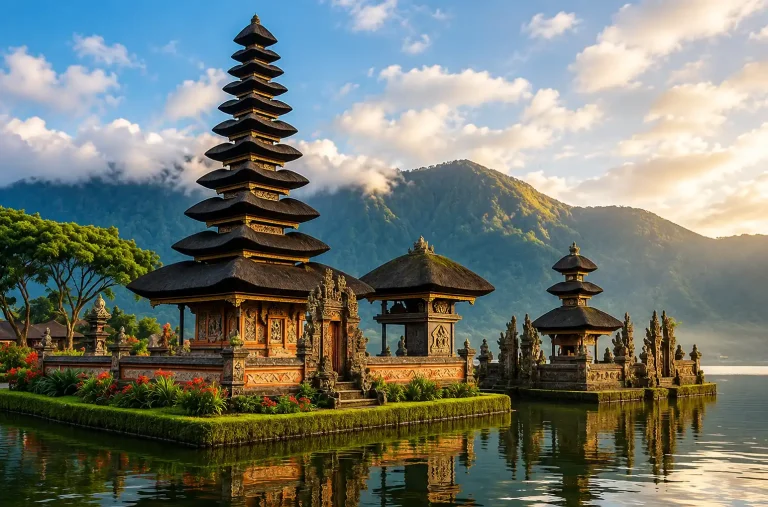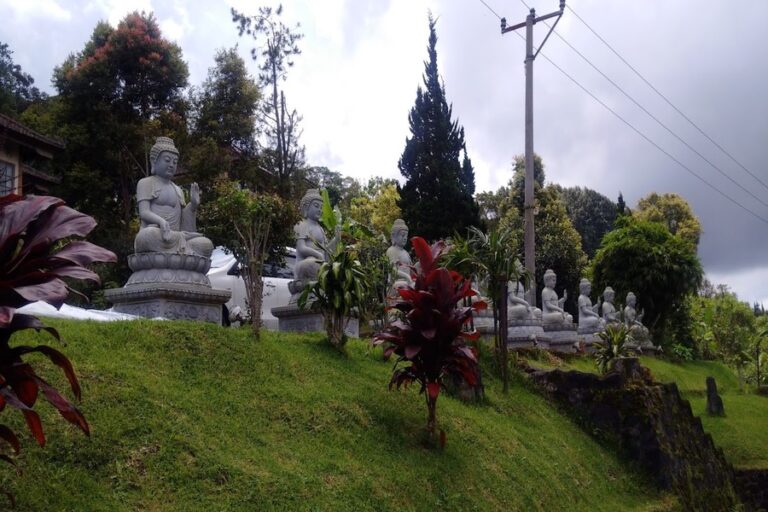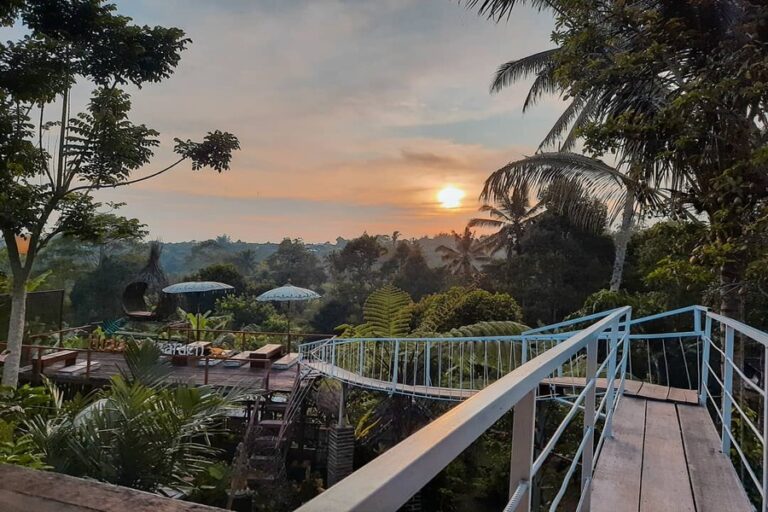

Vihara Mahavira Baturiti Bedugul

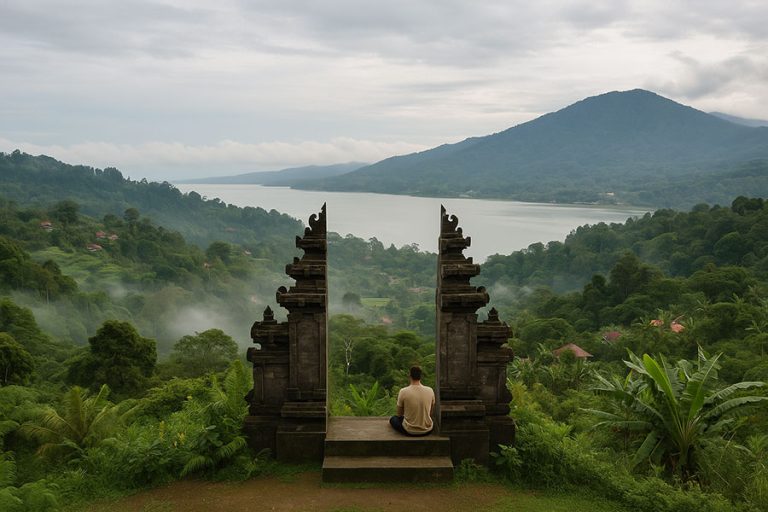
Vihara Mahavira Baturiti Bedugul: A Serene Buddhist Retreat in Tabanan, Bali Explore the serenity of Vihara Mahavira Baturiti, a peaceful Buddhist temple nestled in the cool hills of Baturiti, Bedugul, Tabanan Regency. This tranquil sanctuary offers visitors a chance to meditate, reflect, and immerse themselves in the spiritual practices of Bali Buddhist community. Surrounded by lush landscapes and breathtaking views, it’s the perfect destination for those seeking peace and cultural enrichment. Learn about the unique blend of Buddhist rituals and Balinese traditions, and discover why this temple is an essential stop for anyone interested in Bali religious heritage A Sacred Buddhist Temple with Stunning Views Vihara Mahavira Baturiti is situated on the slopes of the mountains in Bedugul, an area known for its cool climate and lush landscapes. The temple is surrounded by breathtaking views of dense forests, serene lakes, and lush greenery, creating a harmonious environment where visitors can immerse themselves in both nature and spirituality. The serene surroundings make this temple a perfect destination for those seeking tranquility and a deep connection to Buddhist teachings. The temple architecture is influenced by traditional Balinese Buddhist designs, featuring intricate carvings, statues of Buddha, and sacred shrines. The space is designed to facilitate meditation and reflection, with the peaceful ambiance drawing both local devotees and international visitors seeking a quiet retreat. Significance and Cultural Importance Vihara Mahavira Baturiti is dedicated to Mahayana Buddhism, one of the two major branches of Buddhism practiced in Bali. It serves as a place of worship for local Buddhist communities, providing a space to perform rituals, meditate, and honor the teachings of the Buddha. Visitors to the temple can witness ceremonies and observe the daily spiritual practices that are central to the Buddhist faith. In addition to its religious importance, Vihara Mahavira Baturiti also plays a vital role in promoting interfaith harmony in Bali, where Hinduism is the predominant religion. The temple stands as a symbol of Bali diverse spiritual heritage, where different religious traditions coexist peacefully and share common values of compassion, harmony, and respect for all life. Spiritual Experience and Activities For visitors interested in learning more about Buddhism or seeking a spiritual experience, Vihara Mahavira Baturiti offers a variety of activities that allow for deep reflection and meditation. The temple is home to peaceful gardens and courtyards, where visitors can meditate in solitude or join the local community for group meditation sessions. Meditation and Reflection: Visitors are invited to spend time in meditation, either alone or in groups. The quiet, natural surroundings enhance the experience, allowing individuals to focus their minds and achieve inner peace. Buddhist Ceremonies: If you’re fortunate to visit during a religious ceremony, you can witness the sacred rituals of the Buddhist community. These ceremonies offer a glimpse into the spiritual practices that have been preserved for centuries in Bali. Cultural Education: The temple provides an opportunity for visitors to learn about the teachings of Buddhism and its role in Balinese society. Local monks may share insights on Buddhist philosophy and practices, offering a deeper understanding of the spiritual traditions of the island. Why Is Vihara Mahavira Baturiti Open to the Public? Vihara Mahavira Baturiti was opened to the public with the goal of sharing the principles of Buddhism and promoting peaceful coexistence. The temple is a place for spiritual reflection and education, where visitors can learn about Buddhist philosophy and the practices of the Bali Buddhist community. By opening its doors to the public, the temple provides a peaceful and spiritual retreat for locals and visitors alike, while also promoting cultural understanding and religious tolerance. Unique Features of Vihara Mahavira Baturiti One of the unique aspects of this temple is its mountain setting, providing a serene and spiritually charged environment for meditation and reflection. The cool climate, combined with the lush greenery, creates a calm atmosphere that is perfect for relaxation and spiritual practice. Another unique feature is the combination of Buddhist rituals and Balinese customs, which visitors can observe during their visit. The temple offers a distinct blend of cultures, giving visitors a unique insight into the way Buddhism is practiced in Bali. What Are the Restrictions at Vihara Mahavira Baturiti? Dress Code: Visitors are expected to dress modestly. It’s important to cover your shoulders and knees when entering the temple. No Smoking or Alcohol: As a place of worship, smoking and alcohol consumption are strictly prohibited on the temple grounds. Respectful Behavior: Visitors should maintain a respectful demeanor and avoid loud talking or disruptive behavior while on the temple grounds. Visitor Information to Visit Vihara Mahavira Baturiti Here’s what you need to know before visiting Vihara Mahavira Baturiti: Operating Hours Vihara Mahavira Baturiti is generally open to visitors from early morning to late afternoon. However, it is advisable to visit during the day to make the most of the peaceful ambiance and the opportunity to participate in activities like meditation or observe religious ceremonies. How to Get There By Car or Motorcycle: The temple is located in the Baturiti area, approximately 1.5 to 2 hours from Denpasar via Jalan Raya Denpasar – Gilimanuk or Jalan Raya Bedugul. Visitors can easily drive to the temple and park in designated areas. By Taxi or Tour Service: For those unfamiliar with the area, booking a taxi or private tour is an easy option to get to Vihara Mahavira Baturiti. Many tours in the Bedugul area include stops at local temples, including this one. What to Bring Modest Clothing: As a religious site, visitors are expected to dress modestly. It’s recommended to wear clothes that cover your shoulders and knees. Sun Protection: Bring sunscreen, sunglasses, and a hat to protect yourself from the sun, especially if you’re planning to walk around the temple grounds. Camera: Don’t forget to bring a camera to capture the breathtaking views and the temple serene architecture. Entrance Fee There is no entrance fee to visit Vihara Mahavira Baturiti. However, visitors are encouraged to make donations to support the temple activities and maintenance. Nearby Attractions Vihara
Beauty of Beraban Beach

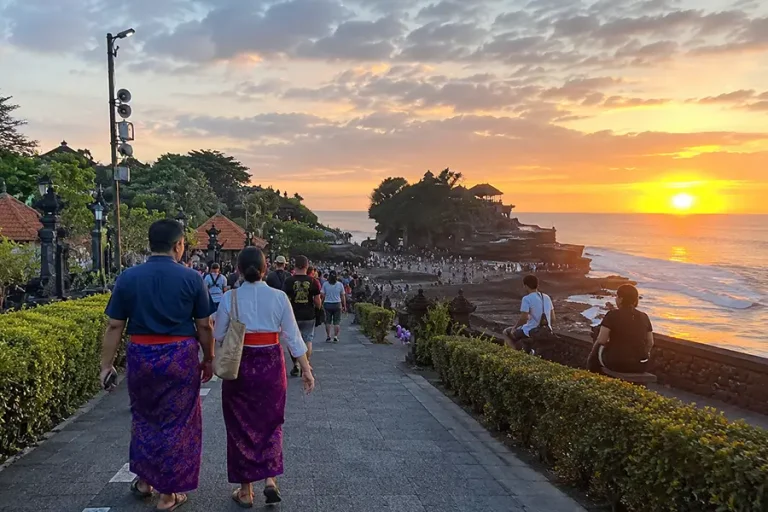
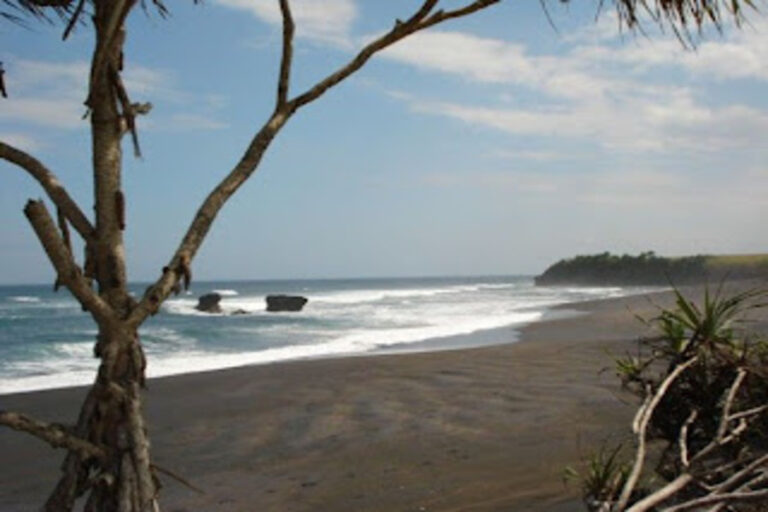
Unwind in Serenity: Exploring the Tranquil Beauty of Beraban Beach Located in the southern part of Tabanan Regency, Beraban Beach is a peaceful coastal haven that offers visitors a serene experience away from the crowds. With its untouched beauty, black sandy shores, and charming surroundings, Beraban Beach is an excellent spot for those looking to escape the bustling tourist destinations and immerse themselves in the natural beauty of Bali. Why Visit Beraban Beach? Unlike some of Bali more famous beaches, Beraban Beach remains relatively quiet and less crowded, making it perfect for travelers seeking a relaxing atmosphere. The beach offers a unique combination of natural landscapes and cultural experiences, with the Tanah Lot Temple located just a short distance away, making it an ideal spot for both sightseeing and unwinding. Scenic Beauty and Tranquility: The beach itself is lined with black volcanic sand, giving it a distinctive appearance compared to other beaches in Bali. The view of the Indian Ocean from the shore is absolutely breathtaking, especially during sunset when the sky is painted in vibrant hues of orange, pink, and purple. It’s a peaceful location that allows visitors to relax, stroll along the shoreline, and enjoy the soothing sounds of the ocean waves. Perfect for Photography: Due to its relatively untouched and tranquil setting, Beraban Beach offers some amazing photo opportunities. Whether it’s the dramatic coastline, the beautiful sunset views, or the nearby Tanah Lot Temple in the distance, the beach is an ideal place to capture the natural beauty of Bali. A Quiet Escape from Mass Tourism: One of the biggest draws of Beraban Beach is its peaceful and uncrowded nature. While Bali has its fair share of popular tourist beaches, Beraban remains a more authentic and local spot, providing visitors with an opportunity to experience Bali coastal beauty in a more intimate setting. It is an ideal location for travelers looking to escape the hustle and bustle of tourist hubs like Kuta or Seminyak, and instead, enjoy a slower pace of life. Local Life and Culture The local life around Beraban Beach offers a fascinating insight into the traditional Balinese way of living, where farming and fishing continue to play an essential role in the community. The beach area and the surrounding villages are home to farmers who cultivate rice, vegetables, and fruits, while the coastline supports small-scale fishing families. Visitors to Beraban Beach often have the opportunity to interact with the local residents, who are warm, friendly, and eager to share their culture. You may witness local farmers tending to their rice fields in the traditional manner, following age-old practices handed down through generations. This simple yet rich lifestyle highlights the importance of agriculture and spirituality in Bali, where the balance between nature, people, and the divine is preserved through daily activities. The village culture is deeply rooted in Hindu-Balinese traditions, with local ceremonies and festivals playing an important role in the rhythm of daily life. From temple offerings to ritual dances, visitors can learn about the island cultural and spiritual practices, which are an intrinsic part of the community identity. Things to Do at Beraban Beach While Beraban Beach is not as commercialized as some of Bali other beaches, there are still several enjoyable activities that visitors can engage in: Strolling and Relaxing: The beach is an excellent place to take long walks along the shore, enjoy the cool ocean breeze, and relax in the peaceful atmosphere. You can sit back, unwind, and enjoy the natural beauty of the area. Surfing: Although not as famous for surfing as places like Uluwatu or Kuta, Beraban Beach still offers some good waves for surfers, particularly beginners or those who prefer a quieter spot to surf. The beach less crowded environment provides an opportunity to practice surfing without the heavy competition. Sunset Watching: One of the main attractions of Beraban Beach is its spectacular sunsets. With a view of the horizon and the ocean, the golden hour at this beach is a perfect time for visitors to enjoy the stunning view and snap some beautiful photos. Photography: As mentioned, the beach natural beauty is a perfect canvas for photographers, with the dramatic coastline and scenic views offering fantastic photo opportunities. What Makes Beraban Beach Unique? Beraban Beach stands out because it remains largely untouched by mass tourism, allowing visitors to experience Bali natural beauty in a more peaceful and authentic environment. The combination of black sand, beautiful ocean views, and proximity to Tanah Lot Temple makes this beach a hidden gem for those who prefer a less crowded, tranquil experience. Things to Remember Respect the Environment: As with all natural locations in Bali, it’s important to be mindful of the environment. Keep the beach clean, and take any trash with you when you leave. Swimming Safety: While the beach is generally safe for swimming, always be cautious of the tides and currents. The waves can sometimes be strong, so it’s best to swim in designated safe areas. Sustainable Tourism Practices Sustainable tourism has become increasingly important, and Beraban Beach exemplifies this approach by offering a quiet, environmentally-conscious destination where visitors can enjoy Bali’s natural beauty while minimizing their impact on the surroundings. In this area, sustainable tourism practices focus on preserving the environment, respecting local traditions, and supporting the community. Eco-friendly initiatives are often seen in the form of small, locally-run accommodations, where efforts are made to minimize waste, use renewable energy sources, and provide organic products grown by the local community. One of the key components of sustainability in Beraban Beach is the protection of natural resources, particularly the coastline and marine life. Visitors are encouraged to be responsible travelers by not leaving trash behind and by supporting efforts that protect Bali fragile ecosystems. For instance, the local communities are actively involved in conservation efforts to maintain the integrity of the beach and surrounding natural areas, preventing overdevelopment and ensuring that tourism benefits both the environment and the people. Visitor Information to Visiting Beraban Beach Here’s
Mystical Yeh Hoo Waterfall

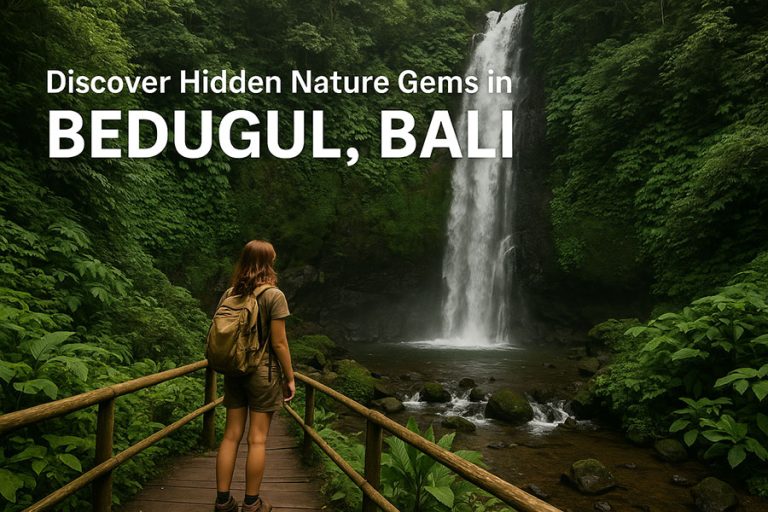
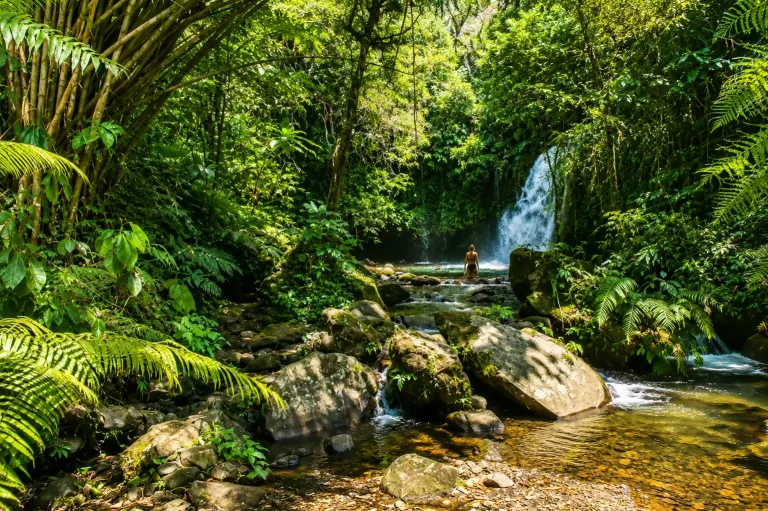
Unveiling the Mystical Yeh Hoo Waterfall in Bali’s Untouched Wilderness Unlike the more popular waterfalls in Bali, Yeh Hoo Waterfall remains relatively untouched, offering a serene retreat for nature lovers and adventure seekers looking for an off-the-beaten-path experience. Located in the tranquil and lush surroundings of Tabanan, Yeh Hoo Waterfall is an undiscovered gem that promises to leave visitors in awe with its pristine beauty and peaceful atmosphere. This stunning waterfall is perfect for those looking to enjoy Bali natural beauty away from the usual tourist hotspots. With its tranquil atmosphere and scenic surroundings, Yeh Hoo Waterfall is an excellent destination for those seeking a peaceful retreat in Bali lush landscape. Local Legends and Mythology of Waterfall Like many natural landmarks in Bali, Yeh Hoo Waterfall is shrouded in local myths and legends, which only add to its mystical appeal. While specific legends about Yeh Hoo are not widely documented, waterfalls in Bali are often associated with spiritual significance and mystical beliefs that have been passed down through generations. Sacred Waterfalls: In Balinese culture, waterfalls are often seen as sacred places where the gods are believed to reside. Local communities view them as powerful natural entities that have the ability to cleanse and purify those who approach them with reverence. Yeh Hoo, like many other waterfalls in Bali, may hold a special place in the hearts of locals as a spiritual site where offerings are made, and prayers are offered to seek blessings from the gods or ensure harmony with nature. Water as a Source of Life: In Balinese mythology, water is often revered as a life-giving force, and waterfalls like Yeh Hoo are thought to symbolize abundance and renewal. The powerful flow of the waterfall is seen as a connection between the human world and the divine, where people come to rejuvenate both spiritually and physically. Mythical Beings: Local folklore may also suggest that mythical beings, such as gods and spirits, well near waterfalls. It’s believed that these mystical beings have the power to protect the area and those who visit, provided that visitors show respect to the sacredness of the site. Some locals may tell stories of spirit guardians or deities that watch over the waterfall and ensure its purity. Visitors who come to Yeh Hoo Waterfall can often feel the spiritual energy of the place and the deep connection to Bali culture and traditions. For those with an interest in local legends, spending time at the waterfall offers an opportunity to reflect on the island spiritual heritage and the role of nature in Balinese beliefs. The Trekking Experience The waterfall stands at approximately 25 meters tall, with crystal-clear water flowing down a rugged rock face and tumbling into a natural pool below. The soothing sound of the water combined with the lush greenery around creates a calming ambiance, making it an ideal spot for relaxation and reconnecting with nature. One of the highlights of visiting Yeh Hoo Waterfall is the trek. The journey to the waterfall is an adventure in itself, with winding paths that pass through tropical forests, bamboo groves, and small, picturesque streams. The hike can take anywhere from 30 to 45 minutes depending on your pace and level of fitness, but the stunning views along the way make every step worth it. The trail is not particularly difficult, but sturdy footwear is recommended, as parts of the path can be slippery due to the surrounding moisture from the waterfall. For those seeking a little extra adventure, the trail can be combined with a visit to nearby natural sites or as part of a longer day tour exploring the attractions of Tabanan Interesting Palace. Natural Beauty and Peaceful Atmosphere Upon reaching Yeh Hoo Waterfall, visitors are greeted by the serene sight of the falls cascading into a crystal-clear pool. The natural surroundings of the waterfall are unspoiled, creating a tranquil and peaceful atmosphere. This is a perfect spot for taking a refreshing dip in the cool waters or simply sitting back and appreciating the beauty of Bali’s untouched nature. The area surrounding Yeh Hoo is also an excellent location for photography, as the sunlight filtering through the trees creates magical lighting that enhances the beauty of the waterfall. Whether you’re capturing the vibrant green jungle or the cascading water itself, this hidden gem provides countless opportunities for memorable photos. Wildlife and Flora at Yeh Hoo Waterfall Yeh Hoo Waterfall is not only a natural marvel but also a sanctuary for diverse wildlife and flora. The lush, tropical forest that surrounds the waterfall is home to a rich variety of plant and animal species, adding to the enchanting atmosphere of the area. Flora: The area surrounding Yeh Hoo Waterfall is dominated by dense rainforest, with a mix of tropical trees, ferns, and shrubs. You will find tall palms, bamboo, and tropical hardwood trees, which contribute to the area green canopy. The region is also home to several types of wildflowers and vines that thrive in the humid environment. For plant enthusiasts, this provides a fantastic opportunity to observe the biodiversity of Bali’s northern rainforests. Fauna: The wildlife around Yeh Hoo Waterfall is equally impressive. Visitors may spot various species of birds, including vibrant kingfishers and hummingbirds, which are drawn to the area water and flora. The dense jungle is also home to a variety of monkeys, lizards, and insects, making it a great location for wildlife enthusiasts. If you’re lucky, you may even encounter some of Bali more elusive creatures, such as tree frogs and small mammals. The surrounding natural environment provides a peaceful retreat for both local wildlife and visitors, making it a haven for nature lovers and photographers alike. Things to Do at Yeh Hoo Waterfall Besides enjoying the refreshing atmosphere of Yeh Hoo Waterfall, there are several activities that visitors can enjoy: Photography: The waterfall and its surrounding landscape provide ample opportunities for stunning photos. Whether you want to capture the waterfall’s cascade or the lush jungle surrounding it, this is a
Hidden Garden Coffee

Hidden Garden Coffee: A Cozy Escape in Tabanan Coffee Paradise In addition to the coffee-tasting experience, Hidden Garden Coffee is also a perfect spot to immerse yourself in the beauty of Bali natural landscape. The plantation is situated within a lush garden, surrounded by vibrant greenery, tropical plants, and the tranquil sounds of nature. Visitors can relax in the comfortable outdoor seating area and enjoy their coffee while taking in the stunning views of the surrounding mountains and the plantation itself. The garden setting, with its well-maintained walkways and shady trees, creates a peaceful environment for those looking to unwind. The Origins of Hidden Garden Coffee Hidden Garden Coffee is a family-run coffee plantation that has been cultivating local Balinese coffee using sustainable farming practices. The plantation focuses on Arabica and Robusta beans, two of the most popular coffee types grown in Bali, as well as Luwak coffee, a unique coffee made from beans that have been naturally processed through the digestive system of civet cats. The plantation is known for its commitment to traditional farming methods, with an emphasis on organic farming practices. Visitors can learn about the history of coffee production in Bali, the various stages of the coffee-making process, and how local farmers carefully grow, harvest, and process the beans to create the perfect cup. A Hidden Gem for Coffee Enthusiasts Hidden Garden Coffee is designed to offer a tranquil atmosphere, perfect for those who appreciate a break from Bali bustling tourist spots. Set amidst green rice fields and tropical gardens, the café blends seamlessly with its natural surroundings. The rustic architecture, wooden furniture, and open-air seating enhance the overall experience, allowing visitors to enjoy their coffee while breathing in the fresh countryside air. One of the highlights of Hidden Garden Coffee is its coffee plantation, where guests can learn about Bali traditional coffee-making process. From the cultivation of coffee beans to the roasting and brewing techniques, visitors gain insight into the craftsmanship behind every cup. What Makes Hidden Garden Coffee Special? Scenic and Peaceful Ambience: The café is designed like a secret garden, offering a quiet escape from the crowds. Coffee Tasting Experience: Visitors can sample different types of coffee and herbal teas, learning about Bali rich coffee heritage. More Than Just Coffee While coffee is the main highlight, Hidden Garden Coffee also offers a selection of delicious local snacks and traditional Balinese sweets that perfectly complement your drink. Visitors can enjoy light bites such as pisang goreng (fried banana) and Balinese cakes, adding a delightful touch to the coffee experience. What Makes Hidden Garden Coffee Unique? What makes Hidden Garden Coffee truly stand out is its commitment to sustainability and its unique position as a family-run business in Bali. The plantation organic farming methods ensure that visitors can enjoy their coffee without worrying about its environmental impact. Additionally, the friendly staff and personalized tours allow for a more intimate and educational experience, unlike other more commercialized coffee plantations. The focus on local coffee varieties and the process of making Luwak coffee adds a layer of uniqueness that you can’t find in every coffee shop or plantation in Bali. Authentic Balinese Coffee Experience Locally Sourced Beans: Hidden Garden Coffee takes pride in using high-quality, locally grown coffee beans. The beans are carefully selected from nearby coffee plantations, ensuring an authentic taste that reflects Bali’s rich coffee heritage. Traditional Coffee Processing: Visitors have the opportunity to learn about Bali’s traditional coffee-making process. From handpicking the beans to roasting and brewing, the experience offers insight into the dedication and craftsmanship behind every cup. Signature Coffee Selections: The café serves a variety of Balinese coffee specialties, including Kopi Tubruk, a strong, unfiltered coffee, and the famous Luwak Coffee, known as one of the most exclusive and unique coffees in the world. The Café Experience After the tour, visitors can unwind at the Hidden Garden Coffee Café, where a variety of coffee drinks are served, from the classic Balinese Kopi Tubruk to specialty drinks made from the plantation’s freshly roasted beans. The café’s cozy ambiance, coupled with stunning views of the surrounding rice fields, creates a perfect setting to enjoy a hot cup of coffee. In addition to coffee, the café also serves a selection of traditional Balinese snacks and dishes, allowing guests to experience Bali culinary delights while sipping on their beverages. Whether you’re enjoying a relaxing morning with a hot coffee or taking a break after a tour, the café is the perfect place to savor the authentic flavors of Bali. What’s on the Menu? Hidden Garden Coffee offers a delightful selection of coffee-based drinks and traditional Balinese treats. Some must-try options include: Bali Arabica Coffee – Smooth and aromatic with a hint of fruitiness. Robusta Coffee – A bold and strong brew with deep flavors. Luwak Coffee – The world-famous civet coffee, known for its unique production process and smooth taste. Iced Coffee Selections – Perfect for a refreshing break on a warm day. Traditional Balinese Cakes – Complement your coffee with authentic local snacks. For those who prefer non-coffee options, the café also serves herbal teas and fresh tropical juices sourced from local ingredients. Local Culture and Tradition at Hidden Garden Coffee Bali coffee culture is deeply rooted in local traditions, and Hidden Garden Coffee offers a window into this rich heritage. The plantation is not just about the coffee, it’s also about connecting with the local community and learning how traditional farming methods have been passed down through generations. The workers at Hidden Garden Coffee are local Balinese farmers who have honed their coffee-growing techniques over the years. They share their knowledge and passion for coffee with visitors, providing insights into the cultural significance of coffee in Bali. Visitors can also learn about the role of coffee in Balinese rituals and festivals, where coffee plays a part in ceremonial offerings. Visitor Information for Hidden Garden Coffee Here is everything you need to know to plan your visit to Hidden Garden Coffee in Tabanan: Operating
Klecung Beach in Tegal Mengkeb Village

Klecung Beach in Tegal Mengkeb Village Enjoying the Beauty of a Quiet Beach and Offering a Very Beautiful View Hidden Paradise with Enchanting Natural Charm Klecung Beach is one of the hidden destinations located in Klecung Village, Kerambitan District, Tabanan, Bali. Known for its quiet atmosphere and away from the crowds, this beach offers an exotic view with a stunning stretch of black sand, gentle waves, and a backdrop of green rice fields that add to its natural beauty. This beach is included in Tabanan Interesting Places to Visit and is the perfect place for those seeking tranquility while enjoying the authentic Balinese atmosphere. Legends and Folklore Behind Klecung Beach Klecung Beach not only offers natural beauty, but also holds folklore and myths believed by the local community. One of the stories is about the spiritual guardians of the beach who are considered to maintain the balance of the surrounding nature. Local residents believe that this beach has positive energy that can bring inner peace and tranquility. As a form of respect, small rituals or prayers are occasionally held in certain areas to maintain harmony between humans, nature and the spiritual world. Stunning Natural Enchantment at Klecung Beach Klecung Beach presents natural beauty that is rarely found elsewhere. Some of the natural charms that can be enjoyed include: Sparkling Black Sand: This beach has a stretch of volcanic black sand that sparkles in the sunlight, providing a unique and exotic view. Tranquil Waves: The gentle sound of the waves creates a peaceful atmosphere, ideal for relaxation. Sunset Point: At this beach, you can witness a beautiful sunset view with a romantic atmosphere. You will witness the light of the sun sinking into the surface of the sea. Green Rice Fields: Around the beach, visitors will be presented with a beautiful and soothing view of rice fields, creating a harmonious blend of sea and land. Mountain View and Blue Sky: From this beach, you can also enjoy a beautiful view of the bright blue sky combined with the shadow of the mountain in the distance. Tropical Vegetation: Coconut trees lined up around the beach give a thick tropical feel, adding to the attractiveness of this place as a natural tourist location. Interesting Activities at Klecung Beach Klecung Beach offers various activities that visitors can do to enjoy their time to the fullest: Relax by the Beach: Enjoy the fresh air and the sound of the waves while sitting on the soft black sand. Enjoying the Sunset: The beach is famous for its incredible sunset views, where the sky turns into shades of orange and purple. Walking Along the Beach: The wide stretch of sandy beach is perfect for a leisurely walk while enjoying the beauty of the surroundings. Cycling on the Rice Field Trail: Visitors can also explore the path around the beach surrounded by rice fields by bicycle. Fishing: For those who have a hobby of fishing, this beach is the perfect place to find tranquility while waiting for fish. Nature Photography: This spot on the beach is ideal for photography enthusiasts, especially during golden hour. The Uniqueness of Klecung Beach that Makes it Special Besides its beauty, Klecung Beach also has various uniqueness that makes it different from other beaches in Bali: A Quiet and Serene Beach: Unlike other popular beaches, Klecung Beach offers a quiet atmosphere, so visitors can feel like they have a private beach. Caves Under the Cliffs: You will find several caves under the cliffs. These caves are naturally formed and visitors can explore them. But still be careful when entering the cave area. Unspoiled Area: Since not too many tourists know about this place, Klecung Beach still maintains its natural authenticity without the interference of modern facilities. Diverse Scenery: This beach offers not only sea and sand, but also views of rice fields, tropical vegetation, and hills in the distance, providing a more complete tourist experience. Iconic Photography Spots at Klecung Beach Klecung Beach offers a variety of stunning photography spots, making it a paradise for photography enthusiasts. Some popular spots include: Rows of Coconut Trees: The coconut trees lined up neatly around the beach provide the perfect tropical backdrop for Instagram photos. Black Sand: The color of the black sand contrasting with the blue of the sea creates a stunning visual composition. Sunset View: At dusk, the sky at Klecung Beach turns into a dazzling palette of orange and red colors, perfect for silhouette photography. The Fusion of Rice Fields and the Sea: The combination of green rice fields with the beach creates a unique landscape that is rarely found elsewhere. For photographers, the best time to take pictures is during golden hour, either in the morning at sunrise or in the afternoon before sunset. Ecosystem and Marine Life at Klecung Beach Klecung Beach not only has beauty on land, but also holds a rich marine ecosystem. Some interesting things related to marine life on this beach include: Diversity of Marine Life: The waters around Klecung Beach become a habitat for various types of small fish, crabs, and other marine life that are often seen around the beach at low tide. Coral Reefs Around the Beach: In some corners of the beach there are small coral reefs that are home to sea anemones and other unique biota. Presence of Seabirds: Visitors often see seabirds feeding around the beach, adding to the natural charm of the place. Natural Conservation: Although not officially a conservation area, the local community keeps the beach environment natural, so the ecosystem is maintained. With its unspoiled ecosystem, Klecung Beach is suitable for nature lovers who want to enjoy the beauty of the sea while exploring Bali’s authentic biodiversity. Location and How to Get There For those of you who want to visit Klecung Beach in Tabanan, this beach is located on Kelating Beach Road, Tegal Mengkeb Village, East Selemadeg District, Tabanan Regency, Bali Province. The location of this beach is very close to Kelating Beach because you only
Tebing Tegallinggah Temple

Discover the Serenity of Tebing Tegallinggah Temple: Bali’s Cliffside Sanctuary Perched high on the dramatic cliffs of Tegallinggah, Tebing Tegallinggah Temple in Gianyar invites you to step into a world of tranquility and awe. This sacred site, surrounded by lush greenery and breathtaking views, offers a peaceful retreat from the bustling world. Immerse yourself in Bali spiritual heart, where ancient architecture meets nature grandeur, and experience a serene journey to one of Bali hidden treasures. Perfect for those seeking both spiritual connection and a moment of reflection in an untouched corner of the island. The Spiritual and Historical Significance of Tebing Tegallinggah Temple Tebing Tegallinggah Temple is deeply rooted in Balinese Hindu traditions and serves as a place of worship and reflection for locals. The temple is believed to have been built centuries ago by the Balinese royal family, as part of their religious duties and the island devotion to the Hindu gods. It is dedicated to Lord Shiva, one of the most revered deities in Hinduism, and is an important temple for those seeking spiritual blessings and performing rituals. One of the most striking features of Tebing Tegallinggah Temple is its location. The temple is perched on the edge of a dramatic cliff, offering panoramic views of lush green rice fields, distant hills, and the serene Balinese landscape below. The cliffside location adds to the spiritual atmosphere of the temple, allowing visitors to experience a deep sense of connection with nature and the divine. The combination of natural beauty and religious significance makes this temple a must-visit destination for both spiritual seekers and nature lovers alike. What Makes Tebing Tegallinggah Temple Unique? Tebing Tegallinggah Temple uniqueness lies in its stunning location and tranquil ambiance. Unlike other temples that are often crowded with tourists, this sacred site remains relatively quiet and peaceful, offering visitors a chance to experience Bali spiritual traditions without the usual bustle. Clifftop Location: One of the most striking features of Tebing Tegallinggah Temple is its clifftop location, perched high above the surrounding valley. The temple offers stunning panoramic views of the lush Jungle, terraced rice fields, and nearby villages. This elevated position adds to the temple sense of tranquility, as visitors can feel a profound connection to the natural environment while engaging in spiritual reflection. Stone Carvings and Architecture: The temple is known for its intricate stone carvings and unique Balinese architecture. The architecture of the temple is a beautiful representation of Balinese craftsmanship, with detailed sculptures and artistic designs that depict mythological stories, gods, and deities from Hinduism. The stone carvings and temple structures have been carefully preserved, showcasing the island traditional architectural styles. Sacred Pools: Tebing Tegallinggah Temple is also home to a series of sacred pools, where visitors can witness the significance of water in Balinese Hindu rituals. Water is considered purifying in Hinduism, and many Balinese temples, including Tebing Tegallinggah, use it in ceremonies and offerings. The serene atmosphere of the pools invites visitors to reflect and meditate as they take in the natural beauty around them. Exploring Tebing Tegallinggah Temple When you arrive at Tebing Tegallinggah Temple, you’ll be greeted by the sight of intricately carved stone gates, statues, and a series of temple shrines. The temple design follows traditional Balinese architectural styles, with ornately decorated doors and stone carvings depicting scenes from Hindu mythology. These carvings serve as reminders of the temple cultural significance and its role in preserving Bali spiritual heritage. The main temple complex is surrounded by lush greenery, providing a sense of tranquility and peace that encourages visitors to slow down, reflect, and meditate. The site is not overly commercialized, meaning that visitors can experience the temple in its natural, unspoiled form. Aside from exploring the temple itself, visitors can also take a moment to enjoy the surrounding natural beauty. From the temple grounds, you can take in sweeping views of rice terraces, valleys, and nearby villages. The temple is situated at a high elevation, which makes it an ideal location for watching the sunrise or sunset, offering stunning vistas and an unforgettable experience. What to Expect During Your Visit Peaceful Atmosphere: The temple is an ideal spot for visitors seeking peace and serenity away from Bali’s bustling tourist hubs. The natural surroundings, combined with the gentle sound of flowing water and the occasional breeze, create an environment perfect for meditation or quiet reflection. Religious Ceremonies: Depending on the time of your visit, you might have the opportunity to observe traditional Balinese ceremonies in action. The temple regularly hosts religious events, which are an essential part of Bali cultural life. Visitors can often witness prayers, offerings, and other rituals that provide insight into Bali spiritual practices. Local Interaction: Visitors to the temple will likely encounter local Balinese people who visit the temple regularly for their daily worship and cultural practices. Many of them are happy to share their customs and beliefs with visitors, providing a deeper understanding of the local culture and spirituality. Activities to Enjoy at Tebing Tegallinggah Temple Photography: The temple elevated location offers sweeping views of the surrounding valley, making it an excellent location for photographers to capture Bali natural beauty. The temple architecture, combined with the natural scenery, creates a harmonious setting for stunning photos. Hiking and Nature Walks: The surrounding area is rich in nature, with trails leading through the nearby forest and rice fields. Hiking or walking around the area gives visitors a chance to immerse themselves in Bali rural landscapes while exploring the temple and its surroundings. Cultural Experience: For those interested in the local culture, spending time in Tebing Tegallinggah Temple offers an authentic experience of Balinese Hinduism and its rituals. Visitors can take part in ceremonies (with permission), learn about the significance of offerings and prayers, or simply engage with local worshippers to understand their connection to the temple. Visitor Information for Tebing Tegallinggah Temple To help ensure your visit to Tebing Tegallinggah Temple is smooth and enjoyable, here’s some useful information: Important Restrictions While visiting, remember
Margarana Memorial Park in Tabanan

Discover the History Behind Margarana Memorial Park: From Battlefields to Tranquil Grounds Have you ever thought of a grave as a place to visit? At Margarana Memorial Park in Tabanan Regency, Bali, this historic site transforms the concept of a cemetery into a moving tribute to the Indonesian heroes. The park not only commemorates the bravery of the Balinese warriors during Indonesia independence struggle but also offers a peaceful retreat with an inspiring blend of history and culture. The Historical Significance of Margarana Memorial Park The Puputan Margarana refers to a tragic yet heroic battle that took place on November 20, 1946, when I Gusti Ngurah Rai, a Balinese freedom fighter, and his troops fought against Dutch colonial forces. The term puputan signifies a form of Balinese traditional resistance, where fighters, knowing they would face inevitable defeat, chose to go down fighting rather than surrender. The Margarana Memorial Park was built to honor these fallen soldiers and commemorate their bravery and resistance. The battle of Margarana is a key moment in Bali history, symbolizing the island contribution to Indonesia independence. I Gusti Ngurah Rai, who was the leader of the resistance in Bali, remains one of the island most revered figures, and the memorial park serves as a lasting tribute to his leadership and the sacrifice of his troops. The Margarana Memorial Park (Taman Pujan Bangsa Margarana) is a place of reflection for the people of Bali and Indonesia, paying tribute to the sacrifices made by I Gusti Ngurah Rai and the fighters who followed him. The park is home to several monuments, including the I Gusti Ngurah Rai Statue, which stands proudly as a symbol of the struggle for independence. A Walk Through History The Margarana Memorial Park is not only a solemn tribute but also a place for reflection and learning about the island rich history and cultural heritage. The park is designed with a monument dedicated to I Gusti Ngurah Rai and his comrades, with a large statue of him standing tall, symbolizing strength, courage, and unwavering determination. Monument and Statues: The central feature of the park is a large statue of I Gusti Ngurah Rai, which serves as a focal point for visitors. The monument is surrounded by smaller statues representing other soldiers who fought alongside him during the battle. The Wall of Names: The Margarana Memorial Park also features a wall of names, engraved with the names of the heroes who fell in the battle. This serves as a poignant reminder of the sacrifice made by the Balinese people for their country independence. Why is Margarana Memorial Park Open to the Public? Margarana Memorial Park is open to the public as a way to honor the bravery and sacrifices made during the Indonesian War of Independence. By offering access to this site, the government and local communities ensure that future generations understand the significance of these events and the sacrifices made for their freedom. The park serves as an educational space where people can reflect on the past and gain a deeper understanding of the struggles for independence that shaped modern Indonesia. Opening the park to the public also allows for greater awareness of Bali role in the nation history. Visitors, both local and international, can explore the park monuments and learn about the historical figures who played vital roles in the fight for freedom, such as I Gusti Ngurah Rai. In doing so, the park becomes a bridge between the past and present, fostering a sense of national pride and historical consciousness. Key Features of the Park Educational Displays: The park includes informative plaques and displays detailing the events of the Puputan Margarana and the role of I Gusti Ngurah Rai in the Indonesian struggle for independence. These exhibits offer visitors an opportunity to learn about this pivotal moment in history. Serene Environment: Set in the peaceful countryside of Tabanan, the park is surrounded by lush landscapes and a tranquil atmosphere, making it a serene place for visitors to reflect on the historical significance of the site. Cultural Experience: The park also serves as a cultural space where traditional Balinese dances and ceremonies are sometimes held, offering visitors a deeper understanding of Bali traditions and local customs. What Makes Margarana Memorial Park Unique? One of the unique aspects of Margarana Memorial Park is its combination of history, culture, and nature. The park stands as both a historical monument and a peaceful oasis, offering visitors the opportunity to connect with the past while enjoying the serenity of Bali natural beauty. The surrounding lush landscapes and tranquil atmosphere make it a rare place where visitors can not only learn about the past but also immerse themselves in the beauty of Bali’s countryside. Additionally, the park monuments and statues are beautifully designed, with attention to detail that adds to the gravitas of the site. The I Gusti Ngurah Rai Statue is particularly impressive, serving as the central point of reflection. The quiet, respectful ambiance of the park allows for a unique, contemplative experience, unlike more commercialized tourist destinations. Why Visit Margarana Memorial Park Historical Learning: For history enthusiasts, the Margarana Memorial Park is a significant site where visitors can learn about Bali’s role in the Indonesian National Revolution and the heroism of its people. Tribute to Heroes: This is a place to pay respects to those who sacrificed their lives for Bali and Indonesia freedom. Peaceful Retreat: The park offers a tranquil environment for visitors to enjoy the natural beauty of Bali while reflecting on its past. Cultural Insights: The park also provides a cultural experience, with its traditional ceremonies and performances, making it an enriching visit for anyone interested in Balinese culture. Visitor Information for Margarana Memorial Park To ensure a smooth visit to this culturally rich site, here is some useful information: Rules and Regulations While visiting the Margarana Memorial Park, visitors are encouraged to show respect and follow a few basic rules to maintain the sanctity of the site: No Loud Noise or
Nyanyi Beach in Kediri, Tabanan

Nyanyi Beach in Kediri, Tabanan Enchanting Beauty of Black Sand Beach in Bali as Tabanan’s Hidden Paradise with a Stunning Sunset in the Afternoon The Captivating Natural Beauty of Tabanan Nyanyi Beach is situated in the village of Nyanyi, within the Kediri District of Tabanan Regency, Bali. The beach is famous for its stunning natural scenery and tranquil atmosphere, making it a great place to vacation for those who want to enjoy the tranquility away from the crowds of Bali’s more popular attractions. The name of this beach comes from the name of the hamlet where the beach is located. This Beach is included in Tabanan Interesting Places to Visit because it offers an exotic volcanic black sand charm, which is typical of the beaches on Bali’s west coast. The natural beauty of this beach is also enhanced by the backdrop of green cliffs and the sound of waves breaking on the shoreline, creating a peaceful atmosphere perfect for relaxing or enjoying the beauty of nature. Access and Location of Nyanyi Beach Nyanyi Beach can be accessed easily from Denpasar, which is about 18 kilometers away or about a 40-minute drive. Route to Nyanyi Beach: Denpasar: You need to follow Canggu Highway until you reach Bypass Tanah Lot Road. From there, you can continue your journey towards Nyanyi Beach Road. Tanah Lot: You can reach This Beach in only 10 – 15 minutes drive from the north. To reach this beach, travelers need to follow the main road to Kediri area and then enter the path to the beach. Although the road to the beach is quite smooth, the journey to This Beach may feel a little longer compared to other popular tourist destinations. Even so, the journey to This Beach offers beautiful views of the Balinese countryside, making the trip very enjoyable. Attractions of Nyanyi Beach Nyanyi Beach has various natural attractions that are the reason why many tourists visit it. Some of the main attractions of this beach include: The Beauty of Volcanic Black Sand: The beach has black sand that comes from the past eruptions of Mount Agung, creating a unique and different scenery from the white sandy beaches in Bali. Calm and Quiet Atmosphere: Unlike other beaches in Bali that are more crowded, This Beach offers tranquility and privacy, perfect for travelers who want to enjoy a more peaceful atmosphere. Mesmerizing Sunset View: This Beach is also famous for its beautiful sunset views. Travelers can enjoy the mesmerizing view of the sun sinking in the sea in the afternoon. Challenging Waves: With fairly large waves, This Beach is often the choice for surfers who want to try the challenge of less crowded waves. Things to Do at Nyanyi Beach Nyanyi Beach is the perfect place for those who want to enjoy both relaxing and more active activities. Some of the activities that can be done here include: Relaxing and Sunbathing: With a calm and less crowded atmosphere, This Beach is a great place to relax and soak up the sun. You can sunbathe or simply enjoy the cool sea breeze. Nature Photography: The beauty of the natural scenery at This Beach is perfect for photography enthusiasts. You can take photos of the sunset, black sand, or green cliff views. Surfing: For surfers, This Beach also offers quite challenging waves, although the waves here are not as big as other beaches such as in Uluwatu or Kuta. However, for beginners, This Beach can be a good place to practice surfing. Take a Walk Around the Beach: Enjoy the view of the beach by taking a stroll along the shoreline or exploring the surrounding area surrounded by green rice fields and shady trees. Marine Life at Nyanyi Beach Nyanyi Beach also has interesting marine life, although not as popular as other beaches in Bali. The existence of coral reefs and marine ecosystems around the beach is an attraction for divers and underwater nature lovers. Although not as complex as other dive sites, Nyanyi Beach offers the opportunity to enjoy the beauty of marine life by diving or snorkeling around the beach. Coral Reefs and Tropical Fish: This Beach has a fairly pristine coral reef, although it is less frequented by divers than other popular dive sites. Around the beach, visitors can find colorful tropical fish as well as various other types of sea creatures. Snorkeling Activities: Although this beach does not have many dive centers, for those interested in snorkeling, This Beach can be an interesting alternative. Snorkeling at this beach allows visitors to enjoy the beauty of the underwater world in a quieter and calmer atmosphere. Alluring Simplicity at Nyanyi Beach One of the main attractions of Nyanyi Beach is its simplicity and peacefulness. Unlike other beaches that are more crowded and often equipped with modern facilities, Nyanyi Beach maintains an alluring natural atmosphere. This atmosphere is perfect for those who seek tranquility and want to escape the hustle and bustle of everyday life. Quiet Atmosphere: Not many visitors come to this beach, so you can enjoy the beauty of nature without distractions. The more private atmosphere makes Nyanyi Beach an ideal place for meditation, picnics, or simply relaxing to enjoy the beauty of the natural surroundings. Beautiful Natural Beauty: The beach is surrounded by beautiful nature, with green trees and calming scenery. Its natural beauty is very appealing to tourists who want to experience Bali in a purer and simpler form. With all its advantages, This Beach still maintains the authentic Balinese charm and has not been too touched by commercialization. Facilities Available at Nyanyi Beach Nyanyi Beach is still relatively natural and has not developed rapidly as a major tourist destination in Bali. Nevertheless, the facilities available are sufficient for the convenience of tourists, including: Parking Area: There is a large parking area around the beach, although the number is limited considering This Beach is not too crowded. Food Stalls and Kiosks: Some local stalls provide simple food and drinks, such as fried rice,
Bayan Ancient Tree in Tabanan

Wisata Kayu Putih (Bayan Ancient Tree): Nature’s Majestic Wonder in Bali The Wisata Kayu Putih, also known as the Bayan Ancient Tree, is one of Bali most awe-inspiring natural attractions. This enormous tree, located in the village of Bayan, Tabanan, is not only a breathtaking sight but also holds cultural and spiritual significance for the local community. Its towering presence and ancient roots offer visitors a glimpse into Bali rich natural heritage and traditional beliefs. The Majestic Bayan Ancient Tree The Bayan Ancient Tree is estimated to be over 700 years old, making it one of the oldest and most revered trees in Bali. Its colossal trunk, which measures several meters in diameter, and its massive canopy provide shade and shelter, creating a serene environment for visitors. This majestic tree is a striking example of the strength and resilience of nature, having withstood centuries of natural and human activities. Locals believe that the tree possesses spiritual significance, and it is often associated with ancient rituals and ceremonies. The tree location near the Pura Bukit Sari temple further underscores its importance in Balinese culture. It serves as a sacred site where offerings are made, and traditional ceremonies are performed to honor the spirits believed to reside within the tree. Remarkable Features Size and Structure: The tree enormous size is its most striking feature. With a height reaching over 25 meters and a trunk circumference of several meters, it commands attention and awe. The extensive root system creates a labyrinth of aerial roots that descend from the branches, giving the tree a mystical appearance. Ecological Importance: The Bayan Ancient Tree plays a crucial role in the local ecosystem. It provides shelter and habitat for various bird species, insects, and small mammals. Its extensive canopy offers shade and helps regulate the microclimate in the area, contributing to the overall health of the surrounding environment. Cultural and Spiritual Significance of the Bayan Ancient Tree The Bayan Ancient Tree is not just a remarkable natural wonder, but also a deeply revered cultural and spiritual landmark in Bali. Banyan trees in Bali hold great sacred value, and the Bayan Ancient Tree is no exception. It plays an important role in the daily spiritual and cultural practices of the local community, symbolizing the connection between nature, the divine, and the people of Bali. A Sacred Site In Balinese tradition, banyan trees are considered sacred because they are believed to be inhabited by spirits and deities. These trees are often seen as a physical manifestation of the divine, linking the human world with the spiritual realm. The Bayan Ancient Tree has long been a site of worship and reverence. As a sacred place, it serves as a natural altar where the Balinese people offer prayers, seek blessings, and give thanks. It is common to see offerings called canang sari placed at the base of the tree. Canang sari are small baskets filled with flowers, incense, and other items, created to honor the spirits and maintain harmony with nature. These offerings are an essential part of Balinese Hinduism, which focuses on the balance between humans, nature, and the gods. Ceremonies and Rituals Under the Tree The Bayan Ancient Tree is often the focal point for local ceremonies and rituals. One significant event is the Odalan or temple anniversary ceremony, which is performed in many Balinese villages, including those around the tree. During this sacred occasion, offerings are made to the spirits of the tree and the surrounding environment, asking for protection, prosperity, and peace. Local people gather around the tree for prayers and chants led by a priest or Pemangku, who carries out the spiritual practices and ensures that the blessings are properly offered. Sometimes, the rituals involve traditional dances, such as the Kecak dance, performed in the open space under the shade of the tree vast branches, adding an air of reverence and celebration. Another important ceremony held in this area is the Melasti ceremony, which marks the Balinese New Year and is aimed at purifying both the individual and the community. The Melasti ritual typically involves a procession from the village to the sea or a sacred site, where purification offerings are made. The Bayan Ancient Tree is often visited during this period, as it holds an essential place in the purification process and is considered a protector of the land. A Symbol of Longevity and Strength For the people of Bali, the Bayan Ancient Tree represents more than just physical beauty – it embodies values of longevity, strength, and resilience. The tree ability to thrive through centuries, enduring storms, droughts, and the passage of time, serves as a profound symbol for the community. Its presence encourages the locals to persevere through challenges and remains a source of inspiration. The tree roots, which reach deep into the ground while extending their branches high into the air, are seen as a reflection of the balance between life and death, the physical and spiritual worlds. Just as the tree endures and flourishes despite the harsh conditions it may face, the Balinese people draw strength from this sacred natural entity, reinforcing the cultural philosophy of Tri Hita Karana – the belief in the interconnectedness of human beings, nature, and the divine. Visiting the Bayan Ancient Tree? This is Information for You For visitors looking to experience the majesty of the Bayan Ancient Tree, a trip to the village of Bayan offers a unique opportunity to connect with Bali natural and cultural heritage. How to Get There The Bayan Ancient Tree is located in the village of Bayan, in the northern part of Bali. It is easily accessible by car or motorbike, with well-maintained roads leading to the site. From Denpasar, it takes approximately 2.5 to 3 hours by car to reach the village, depending on traffic conditions. If you are coming from Tabanan, the drive will take about 1.5 hours. Visitors can also arrange guided tours through local travel agencies to enhance their experience and gain deeper insights into
Soan Galuh Beach Tabanan

Soan Galuh Beach: A Tranquil Seaside Escapes in Bali’s Hidden South Soan Galuh Beach, located in the Tabanan Regency of Bali, is one of the island less-known coastal treasures. Offering a peaceful retreat for nature lovers and those seeking solitude, Soan Galuh is a perfect spot to unwind and enjoy Bali natural beauty without the usual crowds. With its tranquil atmosphere, picturesque scenery, and inviting waters, Soan Galuh Beach is quickly becoming a hidden gem for those who venture off the beaten path. Natural Beauty and Scenic Landscape Soan Galuh Beach is distinguished by its stunning natural surroundings. The beach golden sands stretch along the coastline, bordered by clear blue waters that gently meet the shore. The beach is framed by lush vegetation and distant rolling hills, which create a peaceful and picturesque atmosphere. Key Features of Soan Galuh Beach: Golden Sand: The soft, golden sand of Soan Galuh Beach provides a pleasant surface to relax on or stroll along. Unlike the volcanic black sand found at some of Bali other beaches, the light golden color offers a more traditional beach experience. Gentle Waves: Soan Galuh Beach is known for its calm waters, making it ideal for swimming and wading. The gentle waves also make it a fantastic spot for beginner surfers or those simply looking to dip their toes in the ocean. Seclusion and Peace: With fewer tourists than other Bali beaches, Soan Galuh Beach offers a peaceful and serene environment. The absence of large crowds allows visitors to truly unwind and enjoy the beauty of Bali natural coastline in solitude. Maintenance and Cleanliness at Soan Galuh Beach Soan Galuh Beach is well-maintained, offering a clean and peaceful environment for visitors. Local efforts ensure the beach remains free of litter, with regular cleaning initiatives in place. The tranquil atmosphere is enhanced by the natural beauty of the beach, where the local community plays a vital role in preserving its pristine condition. Visitors are encouraged to help maintain its cleanliness by carrying out any trash they bring, ensuring this hidden gem stays beautiful for years to come. Authentic Flavors at Soan Galuh Beach While visiting Soan Galuh Beach, don’t miss the chance to explore Bali authentic local cuisine. Nearby warungs (local eateries) offer a variety of traditional Balinese dishes that highlight the island rich culinary heritage. Babi Guling (Suckling Pig) and Bebek Betutu (Slow-Cooked Duck) are iconic Balinese dishes, known for their tender meat and aromatic spices. Nasi Campur is a mixed rice dish served with various side dishes, while Sate Lilit, a Balinese-style satay made from minced meat, is a popular snack. For seafood lovers, the fresh catch of the day, including grilled fish and seafood soup, offers a delicious seaside experience. Quench your thirst with fresh Es Kelapa Muda (coconut water) or tropical fruit juices. For those looking for something stronger, try Arak, a traditional Balinese spirit. Dining at Soan Galuh Beach is not just about enjoying great food—it’s also a chance to experience Bali unique flavors and cultural richness in a relaxed beach setting. Activities to Enjoy at Soan Galuh Beach While Soan Galuh Beach may not offer the extensive range of water sports found at more tourist-heavy beaches, it has several activities that can enhance your visit to this quiet coastal haven: Swimming and Wading: The calm, clear waters make it an ideal spot for a refreshing swim or just wading along the shore. Whether you’re a seasoned swimmer or just looking to relax in the water, the gentle waves provide a safe and enjoyable experience. Beach Walks: Soan Galuh Beach is perfect for leisurely walks along the shore, allowing you to explore the natural beauty of the area at your own pace. The peaceful environment makes it an ideal place for reflection or simply connecting with nature. Picnics and Relaxation: The serene surroundings make Soan Galuh Beach a fantastic place for a picnic or to simply relax under the shade of a palm tree. Visitors often bring their own food and drinks, enjoying a peaceful meal with the sound of the ocean in the background. Photography: The unspoiled beauty of Soan Galuh Beach, with its golden sands, clear blue waters, and picturesque coastline, makes it an excellent location for photography. It offers a chance to capture Bali natural beauty without the distractions of large crowds. Fishing: Fishing is a popular activity for those who enjoy a slower-paced experience. Local fishermen may also offer opportunities to join them for a traditional fishing experience, adding an authentic touch to your visit. How to Get to Soan Galuh Beach Soan Galuh Beach is located in the southern region of Bali, approximately an hour drive from popular destinations like Seminyak and Ubud. The beach is somewhat secluded, so it may require a bit more effort to find, but this adds to its appeal for those seeking a quiet escape. Getting There: By Car: Visitors can hire a car or motorbike to reach Soan Galuh Beach. The journey involves traveling along coastal roads and passing through rural villages, giving you a glimpse of Bali traditional lifestyle. Local Transport: Taxis or private drivers can also be arranged for those who prefer not to navigate unfamiliar roads. Many local drivers are familiar with the beach and can guide you there directly. Estimated Travel Time: Denpasar: Approximately 2.5 to 3 hours by car (depending on traffic conditions). Ubud: Approximately 1.5 to 2 hours by car. Nusa Dua: Around 2.5 to 3 hours by car. Best Time to Visit: The optimal time to explore Soan Galuh Beach is from April to October, when the weather is bright and perfect for enjoying the beach. However, even in the rainy season, the beach remains peaceful, making it a great spot for those seeking tranquility. For the most enjoyable experience, visiting in the early morning or late afternoon is highly recommended. These times offer cooler temperatures and fewer visitors. The early morning allows you to experience the beach calmness and witness a beautiful sunrise, while the