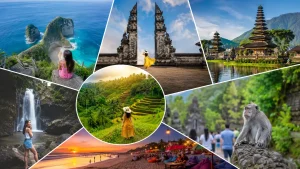


Bali is famous for its beaches, temples, and rice fields. But there is more to this island than the usual tourist trail. Eco tourism in Bali is growing fast, and for good reason.
Simply put, ecotourism in Bali is a way to travel that puts nature and people first. It supports local communities, protects wildlife, and keeps Bali’s natural beauty intact for future visitors.
In this guide, you will discover the best eco tourism destinations, must-try activities, and practical tips. So, whether you are a first-time visitor or a returning traveler, read on to plan a trip that feels good in every sense.

What Is Eco Tourism in Bali?
Eco tourism is a form of responsible travel. It focuses on experiencing nature while causing as little harm as possible.
In Bali, eco tourism goes beyond just visiting green spaces. It also means:
- Supporting conservation programs
- Buying from local farmers and artisans
- Learning about Balinese culture and traditions
- Choosing guides and services that give back to the community
As a result, sustainable tourism in Bali has become a big movement. More travelers now want meaningful experiences. And more local businesses are rising to meet that demand.
Best Destinations for Eco Tourism in Bali
Bali has many incredible spots for eco tourism. Below is a quick overview of the top destinations, followed by a closer look at each one.
| Destination | Location | Main Activities | Best For |
|---|---|---|---|
| Turtle Island | Tanjung Benoa | Turtle release, conservation tour | Families, kids |
| Mangrove Forest | Denpasar | Boat tour, nature walk | Nature lovers |
| Natural Salt Farming | Klungkung | Traditional salt-making demo | Culture seekers |
| Jatiluwih Rice Terraces | Tabanan | Trekking, photography | All travelers |
| Les Tourism Village | Buleleng | Coral reef restoration, snorkeling | Divers, eco travelers |
| West Bali National Park | Jembrana | Wildlife spotting, hiking | Adventure seekers |
1. Turtle Island in Tanjung Benoa
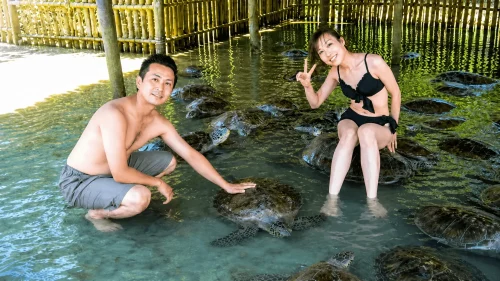
Beautiful and serene, Turtle Island sits just off the coast of Tanjung Benoa. It is one of the most popular eco-friendly destinations in Bali for families.
Here, you can learn about sea turtle conservation up close. The island runs a rescue and breeding program for several endangered species. Furthermore, you can join a hatchling release, where you watch baby turtles swim into the ocean for the first time.
This experience is both educational and deeply moving. It is especially great for children, as it teaches them why protecting marine life matters.
2. Mangrove Forest in Denpasar
The Mangrove Forest in Denpasar is one of Bali’s most important natural areas. It protects the coastline from erosion and provides a habitat for rare birds and marine life.
Visitors can walk along wooden boardwalks that wind through the trees. In addition, you can take a boat tour to explore deeper into the forest. The cool shade and the sounds of nature make it a peaceful escape from the city.
Because it is close to the airport, the Mangrove Forest is easy to visit at the start or end of your trip.
3. Natural Salt Farming in Klungkung
Klungkung is famous for its traditional salt-making. Local farmers have been using the same techniques for generations. Therefore, a visit here is as much a cultural experience as it is an environmental one. Therefore, a visit here is as much a cultural experience as it is an environmental one, especially if you are interested in traditional salt farms in Bali and local heritage practices.
You will see how workers collect seawater and let it evaporate slowly under the Bali sun. Then, they harvest the salt by hand. The process is entirely natural, with no chemicals involved.
Moreover, buying salt directly from the farmers helps support their livelihood. It is a small act that makes a real difference.
4. Jatiluwih Rice Terraces in Tabanan
Widely admired for its beauty, Jatiluwih is one of the most iconic sights in Bali. The vast green rice terraces stretch across the hillsides of Tabanan, and UNESCO has recognized this landscape as a World Heritage Site.
Trekking through Jatiluwih is a highlight of any Bali eco tourism trip. The trails take you through working rice fields, past small temples, and through traditional farming villages. As a result, you gain a real sense of how Balinese agriculture connects to spiritual life.
Go early in the morning to enjoy cooler temperatures and golden light on the terraces.
5. Les Tourism Village in Buleleng
Les Village is a hidden gem in North Bali. Unlike the busy south, Les is quiet, rural, and deeply tied to local traditions.
One of the most exciting activities here is coral reef restoration. You can join a local program that plants coral fragments on underwater frames. Over time, these frames grow into thriving reef ecosystems.
In addition to snorkeling and diving, Les also offers village tours and cultural workshops. Consequently, it is one of the best places to experience community-based eco tourism in Bali.
6. West Bali National Park
Rich in biodiversity,, West Bali National Park is the island’s only national park. It covers over 19,000 hectares of forests, mangroves, and coral reefs.
The park is the last habitat of the critically endangered Bali Starling, a beautiful white bird found nowhere else on earth. Bird watchers come from around the world to spot this rare species.
Beyond bird watching, you can hike through dense jungle, snorkel in crystal-clear waters, and explore deserted beaches. Overall, it is the perfect destination for travelers who want a real Bali nature experience.
Eco-Friendly Activities to Try Eco Tourism in Bali
Beyond visiting specific destinations, Bali offers a wide range of eco-friendly activities. Here are some of the best ones to add to your itinerary:
- Coral reef restoration – Join a dive or snorkel session at Les Village and help plant coral
- Turtle hatchling release – Participate in a turtle release program at Turtle Island
- Rice terrace trekking – Hike through Jatiluwih and learn about the subak irrigation system
- Mangrove boat tours – Glide through the Denpasar mangroves by traditional boat
- Farm-to-table dining – Eat at organic restaurants that source ingredients directly from local farms
- Wellness and yoga retreats – Join an eco-conscious retreat in the hills of Ubud or Sidemen
These activities are not only fun. They also support local conservation efforts and put money directly into the hands of Balinese communities.
Tips for Responsible Eco Tourism in Bali
Visiting eco tourism spots in Bali is a great start. However, how you travel matters just as much as where you go. Here are some simple tips to keep your trip truly responsible:
- Choose local guides. Hiring a local guide keeps money in the community and gives you deeper insight into each destination.
- Say no to single-use plastic. Bring a reusable water bottle and say no to plastic bags. Many eco spots in Bali have water refill stations.
- Respect wildlife. Keep a safe distance from animals. Never touch or feed wildlife, especially at turtle conservation sites.
- Stay on marked trails. When trekking, always follow the trail. This protects fragile plant life and prevents erosion.
- Book private transport. Getting between eco destinations is easier with a dedicated driver. A Bali airport transfer lets you travel at your own pace without relying on ride apps or shared shuttles.
- Start your journey right. If you want a smooth arrival, arrange a Bali car rental with driver in advance so you can head straight to your first eco destination without any hassle.
Plan Your Adventure with Eco Tourism in Bali
Bali has no shortage of eco-friendly experiences. From turtle conservation to rice terrace treks, there is something for every kind of traveler.
The key is to plan ahead. Many eco tourism in Bali sites are spread across the island. So, combining two or three destinations in a single day trip is very doable with the right transport.
If you want to visit multiple spots in one trip, consider booking a Bali tour package that covers several eco destinations. That way, you get a curated experience with a local guide who knows the best routes and timings.
Ready to Explore Bali the Eco-Friendly Way?
Eco tourism is one of the most rewarding ways to experience Bali. You get to see the island’s real beauty while knowing your trip makes a positive impact.
Bali Touristic can help you plan a comfortable, eco-conscious adventure. We offer private tours, car rentals with a driver, and airport transfers so you can focus on what matters most: exploring Bali.
Check out our Bali tour packages to find the right itinerary for your trip.

Questions About Eco Tourism in Bali
What is eco tourism in Bali?
Eco tourism in Bali is a form of responsible travel that focuses on protecting nature, supporting local communities, and preserving Balinese culture. It includes activities like wildlife conservation, sustainable farming visits, and community-based tourism.
What are the best destinations for eco tourism in Bali?
The best eco-friendly destinations in Bali include Turtle Island in Tanjung Benoa, Mangrove Forest in Denpasar, Natural Salt Farming in Klungkung, Jatiluwih Rice Terraces in Tabanan, Les Tourism Village in Buleleng, and West Bali National Park.
Can I join a turtle release at Turtle Island?
Yes, you can. Turtle Island in Tanjung Benoa runs a sea turtle conservation program. Visitors can join hatchling release sessions and learn about turtle protection efforts. It is a great activity for families with children.
Is eco tourism in Bali suitable for families?
Absolutely. Most eco tourism spots in Bali are family-friendly. Turtle Island, the Mangrove Forest, and Jatiluwih are all easy to visit with children. Many sites also offer guided tours in English.
What is the best time to visit eco tourism spots in Bali?
The dry season, from April to October, is the best time to visit eco tourism sites in Bali. The weather is clear, trails are dry, and outdoor activities are more enjoyable. Early morning visits are also recommended to avoid heat and crowds.
How do I get around to multiple eco tourism spots in Bali?
The easiest way is to hire a private driver. A Bali car rental with driver gives you the freedom to visit multiple destinations in one day without the stress of navigating Bali’s roads on your own.
How much does eco tourism in Bali cost?
Costs vary depending on the activity. A mangrove boat tour can cost as little as IDR 50,000–150,000 per person. Turtle Island entry and conservation experiences typically cost IDR 100,000–300,000. Guided treks at Jatiluwih are around IDR 30,000–50,000 per person for the park entrance plus a guide fee.
Is there an eco tourism certification for businesses in Bali?
Yes. Bali has a growing eco certification movement. The Eco Climate Badge (ECB) program verifies restaurants, hotels, and tour operators based on sustainability standards set by the Global Sustainable Tourism Council (GSTC). When you choose certified businesses, you directly support sustainable tourism in Bali.