

On April 20, 1906, thousands of Balinese warriors chose death over surrender at what is now the most historically charged piece of ground in Denpasar — Puputan Badung Square. This open monument in the heart of Bali’s capital city marks the site of the Puputan Badung, a final defiant stand against Dutch colonial forces that forever shaped the Balinese identity.
Today, the square is both a solemn memorial and a living public space. Locals gather here for ceremonies, festivals, and evening hangouts, making it one of the most layered and authentic places to visit in Denpasar — where history, culture, and everyday Balinese life intersect.

The Historic Event Puputan Badung
The name “Puputan” refers to the final, decisive battle fought by Balinese warriors, often involving a ritualistic fight to the death to defend their honor and independence. The Puputan Badung occurred on April 20, 1906, when the royal family and thousands of Balinese soldiers in Denpasar rose up against Dutch forces. After years of colonial oppression, the Balinese ruler, King Gusti Ngurah Made Agung, led his people in a desperate stand against the Dutch army.
Despite being vastly outnumbered and outgunned, the Balinese forces fought courageously to defend their kingdom. However, as the battle turned against them, many chose death rather than surrender, culminating in a massive loss of life. The event marked the end of the Badung Kingdom and has since become a symbol of the courage and self-sacrifice of the Balinese people.
The Monument A Symbol of Sacrifice
At the center of Puputan Badung Square stands the Badung Puputan Monument, a large bronze statue commemorating the sacrifices made during the 1906 Puputan. The monument features a statue of a Balinese warrior holding a spear, representing the bravery and pride of the Balinese people. The monument serves as a reminder of the resilience of the island inhabitants and their unwavering commitment to preserving their culture and identity.
The Badung Puputan Monument is an essential point of interest for those interested in Bali history, as it not only commemorates a crucial historical event but also honors the warriors who gave their lives for their land. It’s a solemn reminder of the sacrifices made during a period of intense struggle and a testament to the pride that still defines the Balinese people today.
Cultural and Artistic Significance
Puputan Badung Square and its surroundings offer an opportunity to witness the fusion of history, culture, and daily life in Bali. The square is a perfect place to learn about Balinese traditions, from traditional dances to handicrafts, as it’s located near some of the island most prominent cultural attractions.
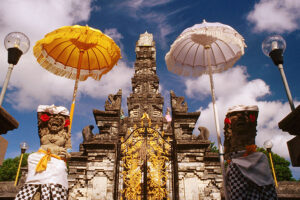
Visitors can also observe the traditional Balinese architecture in the temples and buildings around the square, as well as the ceremonial practices that are still very much a part of Balinese society. The local people frequently hold community events and celebrations in this space, which contributes to the continued legacy of Balinese culture.
Events at Puputan Badung Square
Puputan Badung Square is not only a historical site but also a vibrant venue for cultural and public events throughout the year. The square hosts several annual celebrations, making it a central hub for the local community and visitors:
- Galungan and Kuningan Ceremonies: These important Balinese Hindu festivals celebrate the victory of good over evil and the honoring of ancestors. During these times, Puputan Badung Square becomes a focal point for religious activities, with traditional processions and offerings taking place around the monument.
- Bali Arts Festival: While the festival is traditionally held in Denpasar Taman Budaya Art Center, Puputan Badung Square is often included in the festivities. Expect vibrant performances of traditional Balinese dance, music, and theater, as well as art exhibitions showcasing the island rich cultural heritage.
- Commemoration of Puputan Badung: Every year, locals gather at the Badung Puputan Monument to honor the bravery of those who sacrificed their lives in the 1906 Puputan. The commemoration includes religious ceremonies, traditional dances, and speeches by local leaders, offering a solemn moment of reflection for both locals and visitors.
- Public Markets and Festivals: Throughout the year, Puputan Badung Square hosts various markets and fairs, showcasing traditional handicrafts, food, and music. These festivals offer visitors an opportunity to immerse themselves in Balinese culture and witness the community celebration of their heritage.
Why Visit Puputan Badung Square?
Visiting Puputan Badung Square offers a chance to connect with Bali past and understand the resilience and bravery that have shaped the island identity. The square and its monument are powerful reminders of the sacrifice made by the people of Bali in their struggle for freedom. It is also a place where you can observe the blending of old and new Bali—where tradition meets modernity in the heart of Denpasar.
- Historical Significance Square: Learn about Bali resistance to Dutch colonial forces and the heroic Puputan of 1906.
- Cultural Experience: Experience Balinese culture, traditions, and ceremonies in the vibrant square.
- Monument of Sacrifice: Pay tribute to the courage and resilience of the Balinese royal family and warriors.
- A Central Hub: A great place to explore other important attractions in Denpasar, including the Badung Market and Jagatnatha Temple.
- Photography: Capture the striking contrast of the historical monument against the backdrop of modern life.
Puputan Badung Accessibility and Visitor Information
Puputan Badung Square is centrally located in Denpasar, Bali capital city, making it easy to access from various parts of the island. Visitors can reach the square by car, motorbike, or public transport from nearby areas such as Kuta, Ubud, or Sanur. The square is also easily accessible on foot, as it is situated in the heart of Denpasar and surrounded by shops, markets, and restaurants.
While exploring the square, visitors will find plenty of amenities nearby, including cafes, restaurants, and shops where they can sample local Balinese cuisine, purchase souvenirs, or relax after a walk through the historical sites.

Transport to Puputan Badung :
- By Car/Motorbike: Easily accessible from areas like Kuta, Ubud, or Sanur. The drive takes around 30 minutes from Kuta or 1.5 hours from Ubud.
- Public Transport: Buses or bemos (minivans) can drop you off near the square.
- Walking: The square is pedestrian-friendly and can be accessed easily by foot if you’re already in Denpasar.
- Nearby Amenities: The area is surrounded by cafes, restaurants, and shops offering local cuisine, souvenirs, and places to relax.
Evening Hangout Square and Street Vendors :
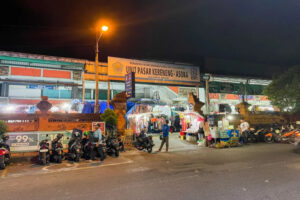
- Evening Vibes: The square transforms into a lively area with locals and tourists gathering in the evening. It’s a popular hangout spot for families and groups of friends to sit on the grassy areas or benches and enjoy the atmosphere.
- Street Vendors: As night falls, food stalls and vendors set up around the square, offering local Balinese street food and snacks like satay, fried rice, and other traditional treats.
- Shopping: The area also features street vendors selling handmade crafts, clothing, accessories, and local art. It’s a great place for souvenirs and gifts.
Nearby Attractions
- Badung Market: A traditional market offering fresh produce, local snacks, and unique goods. It’s just a short walk from the square.
- Jagatnatha Temple: An important spiritual site located nearby, perfect for those interested in exploring Bali’s cultural and religious heritage.
- Blanjong Temple: In Sanur, home to Bali’s oldest known inscription, the 9th-century Blanjong Pillar.
Dining and Shopping in Square
- Cafes and Restaurants: A variety of dining options are available around the square, ranging from traditional Balinese cuisine to international dishes. Many eateries offer outdoor seating with views of the square.
- Margot Riverside Restaurant: A short drive away, this riverside restaurant offers Balinese and international dishes with a scenic view of the Ayung River.
- Shops: Local shops sell a variety of souvenirs and handicrafts, such as woven baskets, woodwork, and jewelry. Perfect for visitors looking to take home a piece of Bali’s culture.
Additional Insights for Visitors
- Vibrant Nightlife: In the evening, the square becomes a safe, lively spot for locals and tourists to socialize, eat, and shop. It’s a great place to experience Bali’s urban life away from the busy tourist hotspots like Kuta.
- Explore on Foot: Puputan Badung Square is located in the heart of Denpasar, making it easy to walk around and explore nearby attractions.
Tips for Visiting Puputan Badung Square
- Best Time to Visit: The square offers a great experience during both the day and night. Early mornings are quieter, while evenings are lively with food and vendors.
- What to Bring: Sunscreen if visiting during the day, a camera for photos, and cash for food and shopping.
- Parking and Accessibility: There are parking areas for cars and motorbikes. Public transport or motorbikes are recommended for convenience if you’re staying in nearby areas like Kuta or Sanur.
Ready for Your Puputan Badung Square Adventure?
Exploring Puputan Badung Square is one of the most meaningful ways to understand Bali beyond its beaches and rice terraces. The square offers a rare glimpse into the island’s proud history and its people’s enduring spirit.
To make the most of your visit, our bali tour package includes experienced local guides who can bring the history of Puputan Badung and other Denpasar landmarks to life with authentic cultural context.
Frequently Asked Questions about Puputan Badung Square
What is Puputan Badung Square?
Puputan Badung Square is a historic public square in the heart of Denpasar, Bali. It commemorates the 1906 Puputan Badung battle, a heroic act of self-sacrifice by Balinese warriors against Dutch colonial forces. Today it serves as both a memorial site and a vibrant gathering place for local events and ceremonies.
What happened during the Puputan Badung in 1906?
On April 20, 1906, King Gusti Ngurah Made Agung led the Balinese royal family and thousands of soldiers in a final stand against the Dutch army. Vastly outnumbered, many Balinese fighters chose death over surrender — an act known as “puputan,” meaning a fight to the very end. The event marked the fall of the Badung Kingdom and became a defining symbol of Balinese courage and identity.
What is the Badung Puputan Monument?
The Badung Puputan Monument is a large bronze statue at the center of the square depicting a Balinese warrior holding a spear. It was built to honor the bravery of those who sacrificed their lives in the 1906 battle, and stands as one of the most significant historical landmarks in Denpasar.
What events are held at Puputan Badung Square?
The square hosts several events throughout the year, including Galungan and Kuningan Hindu ceremonies, the Bali Arts Festival, and the annual Commemoration of Puputan Badung every April. It also regularly holds public markets, local fairs, and cultural performances showcasing Balinese traditions.
What is the best time to visit Puputan Badung Square?
Early mornings are peaceful and ideal for photography, while evenings come alive with street food vendors, families, and a relaxed community atmosphere. Visiting during major ceremonies like Galungan or the Puputan Badung Commemoration in April offers a particularly meaningful cultural experience.
Do you provide airport transfer to Denpasar?
Yes! Our airport transfer service offers comfortable rides to destinations across Bali, including central Denpasar — making it easy to start your trip with a visit to landmarks like Puputan Badung Square right after landing.