

Tanah Lot Temple History, one of Bali’s most iconic landmarks, is a stunning Balinese Hindu sea temple built on a large rock formation. Known as the “Floating Temple,” it appears to rise dramatically from the ocean, especially during high tide, creating a magical and awe-inspiring view. The name “Tanah Lot” means “Land in the Sea”, reflecting its unique position surrounded by water.
This sacred site is not only a place of worship but also a major cultural and spiritual attraction in Bali. Its picturesque setting, especially during sunset, makes it a favorite destination for visitors seeking breathtaking views and a connection to Bali’s cultural heritage.

Tanah Lot Temple History
Tanah Lot Temple History was established in the 16th century by the revered Hindu priest Dang Hyang Nirartha, who is credited with its foundation. According to legend, the priest traveled to Bali to spread Hindu teachings. He arrived at this particular location and, enchanted by its beauty and serenity, meditated on the rock.
During his meditation, Nirartha experienced a divine vision, which inspired the construction of a temple dedicated to Dewa Baruna or Bhatara Segara, the sea gods. Locals assisted in building the temple, believing that the spot was sacred. To protect the temple from evil spirits, Nirartha is said to have used his spiritual powers to create venomous sea snakes that guard the base of the rock to this day.
Therefore, Tanah Lot has since become a central site for Balinese Hindu worship, especially during the Piodalan Festival, held every 210 days according to the Balinese calendar.
The Uniqueness of Tanah Lot Temple
As a matter of fact, Tanah Lot Temple is one of Bali’s most iconic landmarks, known for its dramatic coastal setting and deep spiritual significance. Its unique combination of natural beauty and cultural importance makes it a must-visit destination on the island.
Here are some of the key features that make this temple truly special:
- Floating Temple Illusion: During high tide, the temple appears to float on the ocean, creating a magical and enchanting view that captivates visitors.
- Rock Formation: The temple stands on a massive natural rock formation, shaped over centuries by the continuous force of ocean waves.
- Spiritual Guardianship: Tanah Lot is part of Bali’s sacred chain of sea temples, believed to protect the island from negative sea spirits and maintain spiritual balance.
- Sunset Views: Renowned worldwide for its breathtaking sunsets, the temple offers a perfect setting for photography, with golden skies and ocean backdrops creating unforgettable moments.
Tanah Lot Temple Holy Snakes
One of the most interesting features of Tanah Lot Temple History is the presence of sacred sea snakes, which are believed to act as protectors of the sacred site. These small, venomous striped sea snakes, which can be found in a cave near the temple, hold deep spiritual significance for the locals. According to local belief, the snakes are the reincarnation of the shawl worn by the Rev. Nirartha, the revered Hindu priest who is said to have founded the temple.
Moreover, it is believed that the snakes have the ability to ward off evil spirits and protect the temple from evil forces. Visitors who approach the cave where the snakes reside are usually greeted by a local guide, who will provide insight into the spiritual significance of these creatures.
The guide often emphasizes that the snakes are harmless and symbolize peace and protection. The locals treat the snakes with great respect, and it is considered impolite to disturb or harm them. The belief in their protective nature and spiritual powers is deeply ingrained in the Hindu traditions surrounding Tanah Lot, adding to the sacred aura of the temple. The sight of these sacred snakes adds to the mystique of Tanah Lot and makes a visit to the temple even more memorable for those lucky enough to encounter them.
Tanah Lot Temple Holy Water
Another captivating feature of Tanah Lot Temple is the natural freshwater spring located at its base. Despite being surrounded by the salty waters of the sea, this spring continues to flow year-round, providing fresh water to the temple’s visitors and playing an essential role in its religious rituals. The existence of this freshwater spring is seen as a symbol of balance and harmony between the elements of land and sea, as well as between the material and spiritual realms. The spring is particularly significant in Balinese Hinduism, where water holds a deep ritualistic meaning.
The spring’s water is considered sacred and is used during temple purification ceremonies. Pilgrims and visitors are invited to taste or receive a blessing from this holy water, which is believed to have cleansing and healing properties. Many devotees visit the spring to purify themselves spiritually, believing that drinking or bathing in the water can cleanse negative energy and bring blessings of health and prosperity. The ritual significance of the water is a key element of the spiritual practices at Tanah Lot Temple History, where it is incorporated into regular offerings and ceremonies.

Function of Tanah Lot Temple
Tanah Lot Temple plays several important roles in Balinese culture and religion, making it more than just a scenic attraction. Its spiritual significance is deeply rooted in the traditions and beliefs of Balinese Hinduism.
Here are the key functions of the temple:
- Spiritual Protection: The temple serves as a guardian against negative sea forces, believed to protect Bali from evil spirits coming from the ocean.
- Place of Worship: Dedicated to Dewa Baruna (Varuna), the god of the sea, it is an important site for prayers and Hindu rituals.
- Pilgrimage Destination: Balinese Hindus visit the temple during religious ceremonies and festivals to pray, seek blessings, and perform sacred rituals.
- Cultural Landmark: Beyond its religious role, Tanah Lot stands as a symbol of Bali’s unique harmony between spirituality and natural beauty.
Batu Bolong Temple
Just a short walk from Tanah Lot, the Batu Bolong Temple is another sea temple perched on a natural rock formation with a large hole or (“bolong”) in its middle. The temple shares the same spiritual significance as Tanah Lot and is part of the network of sea temples along Bali’s coast. The rock arch makes it an iconic spot for photography, especially with waves crashing underneath. Batu Bolong is primarily used for ceremonial prayers and offerings to ensure harmony between humans and nature.
The name Batu Bolong translates to “Hollow Rock” in Balinese, referring to the large hole in the middle of the rock where the temple stands. This natural arch was formed by centuries of erosion caused by the waves, creating a unique and stunning formation. The name reflects both the temple’s physical characteristics and its spiritual significance, as it is believed to be a sacred place where the energy of the sea and land harmonize.
Architecture and Layout
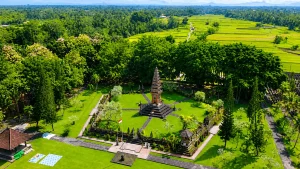
Tanah Lot Temple architecture embodies traditional Balinese design, featuring tiered meru (pagodas) that are characteristic of Balinese Hindu temples. The temple is small, but its location and cultural importance make it one of the most iconic structures in Bali.
The surrounding area includes additional temples and shrines, as well as a freshwater spring called Tirta Pabersihan, located at the base of the rock. This spring is considered sacred, and locals often use the water for purification rituals.
Practical Tips for Visiting Tanah Lot Temple
Certainly, planning your visit to Tanah Lot Temple will help you enjoy its beauty and spiritual atmosphere to the fullest. With the right timing and preparation, your experience can be both comfortable and memorable.
Best Time to Visit
- Sunset Visits: The late afternoon is the best time to visit, as the sunsets at Tanah Lot are truly magical and offer breathtaking views.
- Low Tide: Plan your visit during low tide if you want to walk closer to the base of the temple and explore the surrounding rock formations.
What to Bring
- Comfortable Shoes: The rocky paths around the temple can be uneven and slippery, so sturdy footwear is highly recommended.
- Modest Clothing: As a sacred site, it is important to dress respectfully. Sarongs are usually available at the entrance if needed.
- Camera: Don’t miss the chance to capture the stunning coastal scenery and iconic temple views.
Entrance Fee
Visitors are required to pay an entrance fee to access the Tanah Lot Temple area, with different rates for local and international tourists.
Tanah Lot Temple Facilities
While Tanah Lot Temple remains a sacred spiritual site, it is also well-equipped with facilities to ensure a comfortable and enjoyable visit. These amenities allow travelers to explore the area while appreciating its cultural and natural beauty.
Here are the key facilities available around the temple:
- Parking Area: A spacious parking area is available near the entrance, accommodating both private vehicles and tour buses.
- Walking Paths: Well-maintained pathways guide visitors through the temple complex, offering a safe and scenic route surrounded by lush landscapes.
- Public Restrooms: Basic restroom facilities are provided near the entrance and around the temple area for visitor convenience.
- Shops and Souvenirs: Numerous stalls and shops offer traditional Balinese handicrafts, souvenirs, and religious items, perfect for keepsakes or offerings.
- Local Guides: Experienced local guides are available to share insights into the temple’s history, cultural significance, and nearby attractions.
- Cafes and Restaurants: A variety of cafes and restaurants nearby serve local and international dishes, providing a relaxing spot to enjoy a meal with beautiful coastal views.
Plan Your Journey with Bali Touristic
Make your visit to Tanah Lot Temple more memorable with a well planned trip by Bali Touristic. Enjoy a seamless travel experience through a customized bali tour package designed to match your itinerary and preferences.
For greater flexibility, you can also choose a rent a car with driver service. Travel comfortably at your own pace while a professional driver helps you explore Bali safely and conveniently.
Tanah Lot Temple is more than just a beautiful landmark. Clearly, it’s a symbol of Bali’s rich cultural and spiritual traditions. Whether you’re drawn to its breathtaking ocean views, the mystical aura of the sea snakes, or its historical and architectural charm, this floating temple is an experience not to be missed. Tanah Lot is consistently listed among the best temples in Bali and is a highlight of any Bali temple itinerary.
Therefore, to explore Tanah Lot Temple and other Tabanan Interesting Places to Visit, consider booking your journey with Bali Touristic, where we provide curated tours tailored to your preferences. Our team ensures you experience Bali’s hidden gems and iconic landmarks with ease and comfort. Don’t forget to check TripAdvisor for glowing reviews of our services and tips for a memorable Bali adventure!
Frequently Asked Questions About Saraswati Temple
What is the best time to visit this place?
Late afternoon is the best time to enjoy the beautiful sunset and the temple’s dramatic coastal views.
Is there an entrance fee to access the area?
Yes, visitors are required to pay an entrance fee to enter the Tanah Lot area.
Can visitors enter the temple building?
Tourists are not allowed to enter the main temple, but they can explore the surrounding area.
What should visitors wear during the visit?
Modest clothing is recommended as a sign of respect when visiting cultural and religious sites.
How long should visitors spend at this location?
Most visitors spend one to two hours enjoying the scenery, taking photos, and exploring the area.