
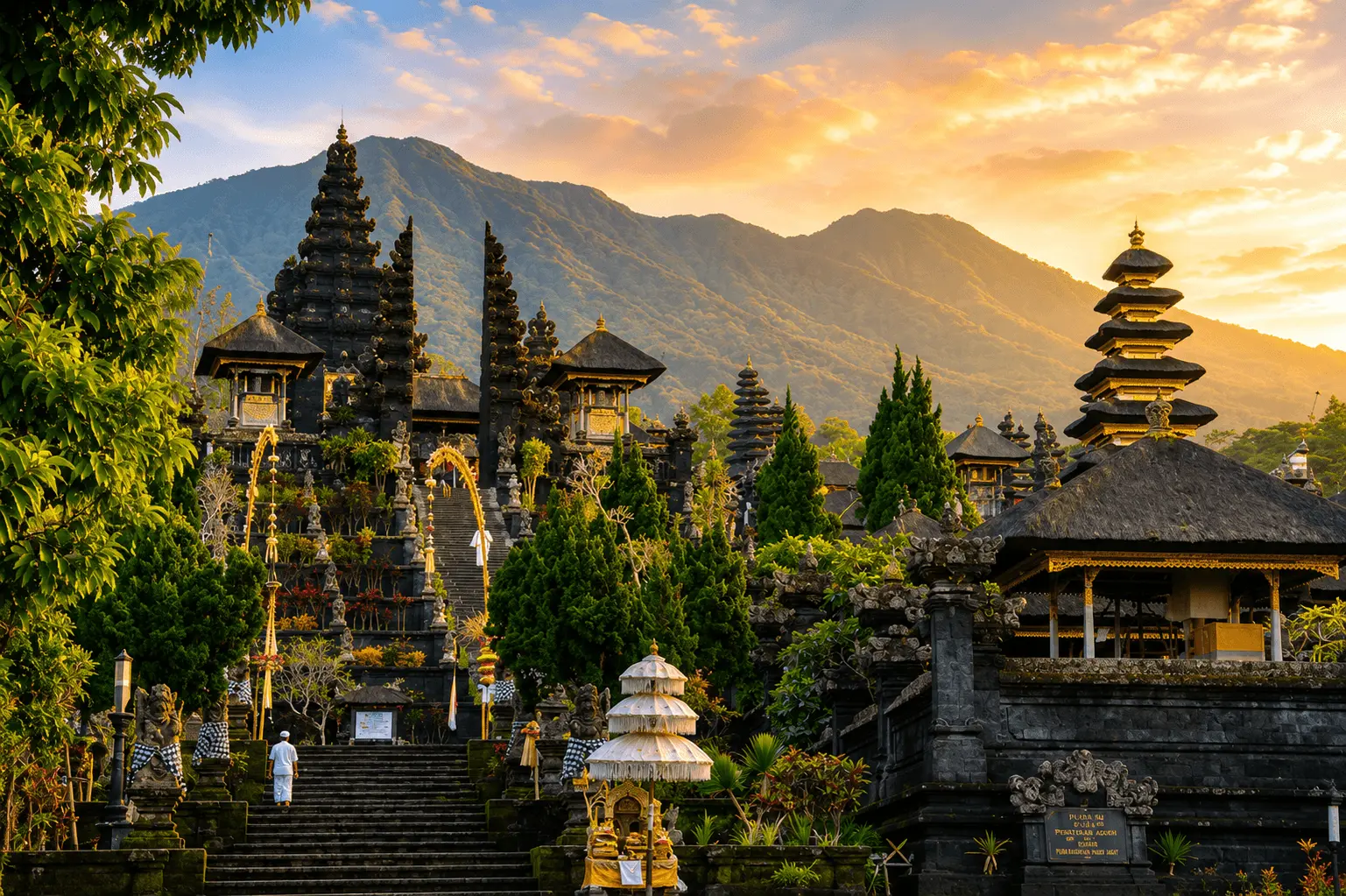
Bali is famous for its grand and iconic temples. However, some of the island’s most moving spiritual experiences happen far from the selfie sticks and queues. If you are looking for something quieter, more genuine, and a little harder to find, the hidden temples in Bali scattered across remote hillsides, river valleys, and jungle paths are exactly what your itinerary needs.
Most mainstream tours skip these temples in Bali. However, they still carry just as much beauty and spiritual depth. In some cases, they offer even more.
In this guide, we take you through some of the most underrated temples in Bali that deserve a place on your travel list. Each one offers something famous landmarks simply cannot: silence, authenticity, and the rare feeling that you have found something truly special.
So, keep reading to discover which secret temples in Bali are worth the detour. You will also find travel tips, a sample itinerary, and everything you need to visit like a respectful and well prepared traveler.

Why Hidden Temples in Bali Offer a Unique Experience
Visiting a temple in Bali that most travelers overlook feels very different from visiting a crowded landmark. You will not find tour buses idling outside. You also will not see long lines for the perfect photo angle. Instead, you get the kind of stillness that makes a place feel genuinely sacred.
For example, you might arrive and see a local family placing offerings. At the same time, you may hear the sound of a distant gamelan while cool morning air surrounds the stone carvings.
Beyond the atmosphere, these off the beaten path temples in Bali connect you to the island’s living Hindu traditions in a natural way. Because fewer visitors come here, the energy feels calmer and the experience becomes more personal. In every sense, these places show what travel to Bali is supposed to feel like.
Quick View: Hidden vs Famous Temples in Bali
| Feature | Hidden Temples | Famous Temples |
| Crowd level | Low to none | High, especially on weekends |
| Atmosphere | Peaceful, meditative | Lively, tourist focused |
| Authenticity | Active local worship | Mixed locals and tourists |
| Entry fee | Free to IDR 15,000 | IDR 20,000 to IDR 75,000 |
| Best time to visit | Early morning | Early morning or late afternoon |
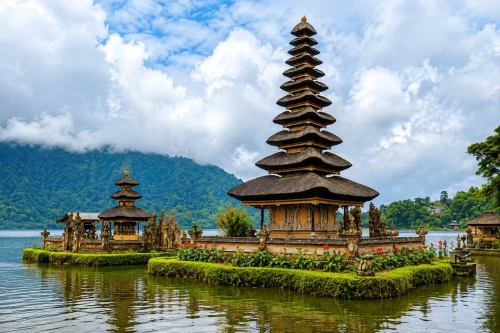
The Best Secret Temples in Bali to Add to Your Itinerary
Below you will find nine remarkable temples in Bali that most visitors never make it to. Each one has been included for its unique character, spiritual atmosphere, and the sense of discovery it offers.
Quick View: Hidden Temples at a Glance
| Temple | Region | Entry Fee | Best Time | Crowd Level |
| Pura Dalem Mendira | East Bali | Free | 6 to 9 AM | Very low |
| Pura Lempuyang (Lower) | East Bali | Free | 6 to 9 AM | Low |
| Pura Batu Karu | North Bali | IDR 15,000 | 7 to 10 AM | Very low |
| Pura Batu Lumbung | Central Bali | Free | 7 to 11 AM | Very low |
| Segara Area, Gunung Kawi | Central Bali | IDR 15,000 | 6 to 9 AM | Low |
| Pura Pejeng Kali Kuning | Ubud area | Free | Any time | Very low |
| Pura Taman Sari, Tirta Gangga | East Bali | IDR 50,000* | 8 to 11 AM | Low |
| Pura Batuan Manggala | Klungkung | Free | Any time | Very low |
| Pura Bukit Malahayu | Northwest Bali | Free | 7 to 10 AM | Almost none |
* Tirta Gangga entry fee covers the water garden grounds, which includes access to the temple area behind.
Pura Dalem Mendira: A Hidden Temple in East Bali
Tucked away in Karangasem in East Bali, Pura Dalem Mendira rewards early risers. If you arrive before 8 AM, you may see local worshippers placing fresh offerings at the stone shrines. At the same time, the cool air and surrounding rice fields catch the first morning light.
The setting feels rural and unhurried. As a result, it feels completely different from Bali’s busy tourist attractions.
The architecture also feels elegant in a restrained way. You will see carved stone gates, mossy courtyards, and a peaceful atmosphere that tourism has not changed. Because many travelers skip this temple, the visit feels more personal.
If you want to experience Bali’s spirituality without crowds, this is one of the best underrated temples in Bali.
Pura Lempuyang Luhur: The Quieter Lower Path
Most visitors come to Lempuyang for the famous Gate of Heaven photo. After that, they usually leave. However, if you continue up the hill along the quieter path, you will reach the lower temple area. This section feels far more peaceful and genuinely off the beaten path.
Almost immediately, the crowds disappear. Instead, you hear forest birds and feel cool mist drifting through the trees in the morning.
The walk itself becomes part of the experience. Along the way, you pass mossy stone steps and carvings hidden by vegetation. In addition, the forest canopy occasionally opens to reveal valley views below.
For those who want more than a photograph, this quieter corner of Lempuyang is one of the most meaningful temples in Bali you can visit. For a curated East Bali route that includes Lempuyang, see this aesthetic Bali tour through Lempuyang from Bali Touristic.
Pura Batu Karu: One of the Most Underrated Temples in Bali
Pura Batu Karu sits high on a ridge in Buleleng in North Bali. Reaching it takes effort, which is exactly why so few people visit.
You must follow rugged forest trails, uneven stone steps, and jungle paths before reaching the temple. However, the reward feels remarkable. You will see sweeping sea views and green hillsides surrounding the temple.
The stonework looks old and beautifully weathered. On a quiet morning, you may even have the entire place to yourself.
This is an active place of worship for local Balinese Hindus, and the atmosphere reflects that. There is a stillness here that busy temples simply cannot replicate. For more on this remarkable site, the complete guide to Pura Luhur Batukaru covers everything you need to know before visiting.
Pura Batu Lumbung: A Secret Temple in Central Bali
Few travel guides mention Pura Batu Lumbung. Because of that, it remains one of the best hidden temples in Bali.
The temple sits in a quiet village near woodland trails. Trees surround the area while the faint sound of a nearby stream creates a calm atmosphere.
The experience feels meditative and natural. Mossy stone walls, damp earth, birdsong, and peaceful surroundings make the temple feel untouched by tourism.
Walking slowly through the temple becomes part of the experience. You can stop to admire carvings, listen to the water, and take photographs without pressure.
If you want to feel more like an explorer than a tourist, this is one of the underrated temples in Bali you should prioritize.
Segara Area of Gunung Kawi: A Quiet Sacred Site
Many travelers know Gunung Kawi. However, most visitors skip the Segara temple area inside the complex.
This remote section combines forest paths and river valleys. As a result, it feels much quieter and more serene than the main site.
To reach it, you cross a small river and follow narrow paths past ancient cliff carvings. Along the way, the sounds around the rock walls echo softly.
Because few travelers venture this far, the space feels ideal for contemplation. Ancient shrines, jungle sounds, and the absence of crowds create a deeply meditative atmosphere.
For travelers seeking peaceful temples in Bali, this site easily stands out. In fact, most Bali temple guides rarely mention it.
Pura Pejeng Kali Kuning: A Non Tourist Temple Near Ubud
Pura Pejeng Kali Kuning sits close to Ubud but remains far from the tourist circuit. It continues to function as a working local temple where Balinese worship takes place naturally.
The architecture feels elegant without becoming overly ornate. You will find carved stone gates, leafy courtyards, and traditional Balinese rock walls covered with fern and moss.
Nothing here exists to attract tourists. That simplicity becomes the temple’s greatest appeal.
Spending time here allows you to watch residents arrange offerings and continue their spiritual routines. As a result, you gain a more authentic view of Bali’s religious life.
If you are exploring the Ubud area, add this temple to your list of underrated temples in Bali.
Pura Taman Sari: The Hidden Temple Behind Tirta Gangga
Many travelers visit Tirta Gangga for its water gardens and lily ponds. However, most visitors walk right past the hidden temple behind the main grounds.
Pura Taman Sari sits at the far edge of the garden complex. Narrow paths winding through streams and lotus ponds connect the area.
Compared to the busier sections nearby, this temple feels quieter, older, and more intimate.
Reaching it feels like a small discovery: you follow the water, pass through a stone gate, and arrive at a temple in Bali that feels genuinely timeless. To deepen your understanding of Bali’s sacred water traditions before visiting, read this guide to Tirta Empul Temple, one of the island’s most spiritually significant sites.
Pura Batuan Manggala: A Peaceful Temple in Klungkung
Far from the tourist trail in Klungkung, Pura Batuan Manggala rests on a low hillside surrounded by green fields and caged plants.
A short walk up several steps leads you to a simple and well maintained temple with gentle hillside views and carved stone gates.
During your visit, you may meet local pilgrims or farmers passing through the area. These interactions feel natural and unplanned.
This is one of those secret temples in Bali that asks very little from visitors but gives a great deal back. The wind, birds, and absence of tourist infrastructure create a rare feeling of peace and balance.
Pura Bukit Malahayu: A Cliffside Sacred Gem in Northwest Bali
This small cliffside temple in northwest Bali receives almost no tourist traffic. Because of that, it remains one of the most remote hidden temples in Bali.
Reaching the temple requires a hike along narrow trails. However, the reward makes the effort worthwhile.
Once you arrive, you will see dramatic coastal views, hear distant waves, and feel strong sea winds around the temple.
Since tour operators rarely include it in standard routes, Pura Bukit Malahayu remains one of the few truly undiscovered off the beaten path temples in Bali.
The silence here feels powerful rather than empty. Therefore, this temple becomes a place worth seeking out.
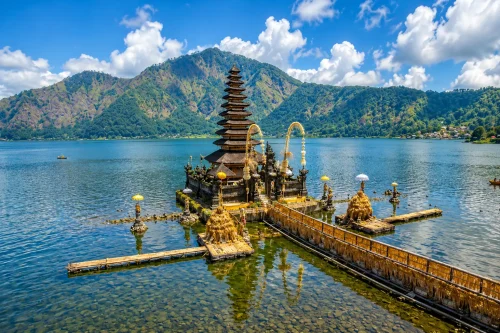
What to Know Before You Visit Temples in Bali
Before visiting any temple in Bali, whether famous or hidden, you should understand several important cultural expectations.
Balinese Hinduism remains a living and active tradition. Therefore, temples function as real places of worship, not just scenic attractions.
Quick View: Temple Visiting Essentials
| Topic | What You Need to Know |
| Dress code | Sarong and sash are required at most temples. Many sites offer rentals at the entrance for a small fee. |
| Entry fees | Most hidden temples are free or charge IDR 10,000 to IDR 15,000. Famous temples like Tanah Lot charge up to IDR 75,000. |
| Etiquette | Speak quietly, do not climb on sacred structures, and step aside if a ceremony is in progress. |
| Menstruation | Women who are menstruating are traditionally asked not to enter certain temple areas. Signs are usually posted. |
| Best time to visit | Early morning (6 AM to 9 AM) is almost always best: cooler, quieter, and better light for photography. |
| Getting there | Most hidden temples are not accessible by public transport. A private car with a local driver is the most practical option. |
Tips for Visiting Temples in Bali
Getting the most out of a temple visit, especially to lesser known sites, comes down to a few simple habits.
- Go early. Most hidden temples in Bali are best visited between dawn and 9 AM, when the light is soft, the air is cool, and almost no one else is around.
- Hire a local guide. A knowledgeable guide can find the correct path to remote temples, explain what you are seeing, and help you avoid unintentional disrespect. They often know entrances and routes that are not on any map.
- Dress appropriately. Bring a sarong and sash. Many temples offer rentals, but having your own saves time and ensures you are always ready.
- Travel slowly. These sites reward patience. Sit for a while, watch the offerings, listen to the sounds around you. The beauty is in the quiet moments.
- Pair with nature. Many of these temples in Bali are close to waterfalls, jungle trails, and coastal cliffs. Combining visits makes for a full and varied day.
- Talk to locals. Residents near lesser visited temples often know of other nearby sacred sites that appear on no official list.
- Use a private car. Remote off the beaten path temples in Bali are not served by public transport. A Bali car rental with driver means your local driver handles navigation while you focus on the experience.
Sample Day Itinerary to Explore Temples in Bali
This itinerary covers a selection of the sites above and can be adjusted based on your starting point and travel pace.
| Time | Activity |
| 5:30 AM | Depart accommodation to reach Pura Batu Karu before dawn |
| 7:00 AM | Explore the Segara area of Gunung Kawi, forest paths and cliff carvings |
| 9:00 AM | Breakfast at a local warung |
| 10:30 AM | Visit Pura Dalem Mendira for calm temple time in East Bali |
| 12:30 PM | Lunch near Ubud |
| 2:00 PM | Step into Pura Pejeng Kali Kuning for a quiet local experience |
| 3:30 PM | Walk through Tirta Gangga gardens and find Pura Taman Sari |
| 5:30 PM | Return, rest, and reflect on the day |
You can adjust the order or linger longer at any site. There is no need to rush.
Plan Your Temple in Bali Journey with Bali Touristic
Exploring hidden temples in Bali on your own is absolutely possible, but having local knowledge makes a real difference. The temples on this list are remote, and many require navigating roads and paths that do not appear on standard maps. A local driver who knows the island’s quieter corners can turn a good trip into a great one.
Bali Touristic offers private Bali tour packages designed around your interests, including spiritual and cultural routes that take you well beyond the usual itineraries. Our experienced local guides know exactly where these secret temples in Bali are and how to get there comfortably.
If you are arriving or departing the island, our Bali airport transfer service ensures a smooth, comfortable start or end to your journey, with no queues or negotiating at the curb.
We also offer a Bali Instagram tour that includes Tirta Gangga, Lempuyang, Taman Ujung, and Virgin Beach, perfect if you want to combine spiritual sites with the island’s most photogenic spots.
Reach out via WhatsApp and we will put together an itinerary that fits your pace, budget, and travel style.

Frequently Asked Questions About Temple in Bali
What is the most popular temple in Bali?
Tanah Lot is consistently ranked as the most visited temple in Bali, drawing large crowds each day, especially at sunset. Pura Besakih, known as the Mother Temple, is considered the most sacred, while Uluwatu Temple is famous for its dramatic clifftop setting and evening Kecak dance performances. Each of these iconic temples in Bali offers a different experience, but all three see significant tourist traffic.
How do you say ‘please’ in Bali?
In Balinese, ‘please’ is expressed as ‘icang nunas’ in formal or polite speech. The more commonly heard phrase among locals in everyday conversation is ‘tolong’ (borrowed from Indonesian), which works well in most situations. Balinese people genuinely appreciate any attempt to use local language, even a single word, as a sign of respect when visiting temples in Bali or interacting with the community.
What are the 9 temples in Bali?
The 9 directional temples in Bali are: Pura Pucakmangu, Pura Ulun Danu Beratan, Pura Besakih, Pura Lempuyang Luhur, Pura Goa Lawah, Pura Luhur Uluwatu, Pura Luhur Batukaru, Pura Pusering Jagat, and Pura Andakasa.
Is $1,000 enough for a week in Bali?
Yes, $1,000 is a workable budget for a week in Bali, especially if you travel thoughtfully. Mid range accommodation typically costs between $30 and $70 per night, local meals run from $2 to $10, and entrance fees for temples in Bali are generally low or free. Travelers who prefer comfort or more organized private tours might aim for $1,200 to $1,500 to enjoy a stress free week.
Is it okay to wear red in Bali?
Yes, it is OK to wear red in Bali. Red is traditionally the colour in which Balinese people express anger and you should not leave a note for someone written in red pen, for example, but for clothing, it is just fine. In fact, you will see many Balinese wearing red on special occasions and festivals.