

This spring has purifying powers and became known as “Tirta Ri Air Hampul” or “Tirta Empul,” meaning “steaming purification water.”
King Indrajaya Sigha Warmadewa developed the spring into a water garden in 882 CE, and the temple became known as Tirta Empul Temple or Tampak Siring Temple, named after the village of Tampak Siring.
Tirta Empul Temple is in the village of Manukaya near Ubud, Bali. This temple is one of the island’s most revered water temples. Its sacred spring possesses purifying and healing powers. Balinese locals and visitors hold Tirta Empul in their hearts. This temple is a spiritual destination and a symbol of Bali’s deep-rooted connection to water, purification, and tradition.

Mythology of Tirta Empul Temple
According to the Usana Bali manuscript. Tirta Empul Temple was created by the god Bhatara Indra during a battle with the powerful and mystical King Mayadenawa. Mayadenawa believed himself to be a god. Then used his supernatural powers to poison Bhatara Indra’s army with a toxic spring. Then weakening his troops. Bhatara Indra struck the ground with a divine weapon. It caused a sacred spring to emerge, restoring the strength of his soldiers.
This spring, believed to have purifying powers. Became known as “Tirta Ri Air Hampul” or “Tirta Empul,” meaning “steaming purification water.” Over time, the spring was developed into a water garden by King Indrajaya Sigha Warmadewa in 882 CE. The temple became known as Tirta Empul Temple or Tampak Siring Temple. It is named after the village of Tampak Siring.
Tirta Empul Temple History
The construction of Tirta Empul Temple is believed to have occurred during the reign of King Masula and Masuli. As mentioned in the Usana Bali text. The temple’s foundation is linked to the historical period around 1100 AD. When the people of Bali were united under King Masula’s leadership. Archaeological research conducted in the early 20th century revealed that Tampak Siring. Where the temple is located, was home to several sacred sites and cultural remains. Indicating its importance in ancient Balinese civilization.
The temple’s design blends traditional Balinese architecture with the natural surroundings. Reflecting the region’s spiritual significance. Today, Tirta Empul Temple stands as a cultural and historical landmark. Embodying the sacred connection between water, purification, and Bali’s rich heritage.
The Temple’s Architecture and Design
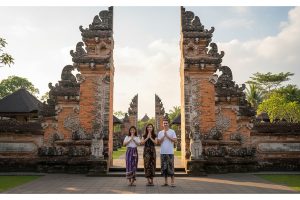
Tirta Empul Temple is an excellent example of traditional Balinese temple architecture. The temple complex is divided into three main courtyards, each with its own significance. The outer courtyard is dedicated to the public, where visitors and locals come to offer prayers and blessings. The middle courtyard, where the holy spring is located, is the most sacred part of the temple, and access is restricted to those participating in purification rituals. The inner courtyard houses shrines to various gods and deities, and it is a serene place for meditation and reflection.
The temple’s design follows the principles of Tri Hita Karana, the Balinese philosophy that emphasizes the balance between people, nature, and the divine. The temple’s intricate carvings, statues, and structures are designed to reflect this harmony and to honor the sacredness of water.

Sacred Spring and Purification Ritual
The main attraction of Tirta Empul Temple is the sacred spring, where water flows continuously from a natural source in the ground. Visitors and devotees participate in purification rituals by bathing in the temple holy waters. The purification process involves bathing under a series of 13 spouts, each representing a different spiritual cleansing.
The ritual is believed to cleanse not only the body but also to rid individuals of negative energies, sins, and illness. Devotees believe that by following the purification process, they can restore balance in their lives and receive blessings for health and well-being.
Tirta Empul Temple Sacred Pools
Tirta Empul Temple is renowned for its purification pools, each with its unique purpose and significance in Balinese spiritual practices. The pools are filled with water from a natural spring, believed to have healing properties that can purify the body and soul. Below is an overview of the three distinct pools within the temple complex:
The Pool with 13 Fountains
This pool is especially important during cremation or burial ceremonies. Local families come to collect the holy water from these 13 fountains to use in ceremonial rites for the deceased.
It is also used for “Melukat”, a purification ritual where family members of the deceased cleanse themselves to remove the bad luck or negative energy associated with death, known as “Sebel” in Balinese culture. This ritual helps prevent the misfortune from spreading to the living family members.
The Pool with 8 Fountains
This pool is used for spiritual purification when individuals are experiencing physical or emotional distress. In Bali, it is believed that illness can be caused by spiritual impurities, and if medical treatments fail, people visit this pool to undergo the “Melukat” ceremony.
The holy water from the 8 fountains is thought to cleanse the body from negative energies and restore health. The local community holds strong beliefs that the temple water helps heal both the body and spirit, offering a deep sense of renewal.
The Pool with 5 Fountains
The smallest of the three, this pool is open to visitors who come to pray and seek blessings. People from outside the local community visit to immerse themselves in the water, believing it will bring positive energy, good health, and spiritual purification.
The five fountains are used for cleansing the body of negative impurities, offering a source of renewal for both locals and visitors alike.
Tirta Empul Temple Facilities
Tirta Empul Temple is well-equipped to accommodate visitors, pilgrims, and worshippers alike. Some of the key facilities include:
Sacred Spring Pools: The temple central feature, where the purification ritual takes place under 13 spouts of holy water.
Prayer Areas: Designated spots for prayer and meditation, where visitors can sit in peace and reflect.
Offerings Area: A space where visitors can make offerings to the gods, a common practice during Balinese Hindu ceremonies.
Shops and Vendors: Small stalls around the temple sell offerings, souvenirs, and religious items for visitors who wish to participate in rituals or take home a piece of Bali’s spiritual culture.
Restrooms and Changing Rooms: For visitors who wish to change into appropriate attire for the purification ritual.
Parking Area: Located outside the temple complex for visitors arriving by car.
Tirta Empul Temple Dress Code
When visit Tirta Empul Temple, it is important to dress modestly and respectfully, as it is a sacred site. The following dress code guidelines are typically observed:
Sarong and Sash: Visitors are required to wear a sarong and sash to enter the temple grounds. These are often provided at the entrance or can be purchased at local shops near the temple.
Modest Clothing: Shirts with sleeves (covering the shoulders) and pants or skirts that cover the knees are recommended. Avoid wearing shorts or sleeveless tops.
Appropriate for Ceremonies: If you are participating in the purification ritual, wear comfortable clothing that can get wet. Many visitors wear a simple sarong over their clothes, which can be easily removed when entering the water.
Footwear: It is customary to remove your shoes when entering the temple grounds, so be sure to wear footwear that is easy to slip off.
Cultural and Spiritual Significance
Tirta Empul Temple is not just a tourist attraction—it holds deep cultural and spiritual meaning for the Balinese people. The temple is a center of religious activity, hosting numerous ceremonies and rituals throughout the year. One of the most significant events is the Odalan festival, which celebrates the temple’s anniversary. This event is marked by elaborate prayers, offerings, and traditional dances, drawing both locals and visitors.
The temple also plays an important role in the Bali Aga community, where the rituals performed at Tirta Empul are thought to maintain harmony with the natural world, the gods, and the spirit of the ancestors. Tirta Empul is widely recognized as one of the best temples in Bali for spiritual seekers and cultural travelers alike. The purification process is integral to the Balinese Hindu belief that the mind, body, and spirit must remain pure in order to achieve a balanced and harmonious life.
Plan Your Trip with Bali Touristic
To make the most of your visit to Tirta Empul and other iconic sites across Bali, explore a curated bali tour package with Bali Touristic. Each itinerary is thoughtfully designed to give you the right amount of time at every destination, with expert local guides who bring the stories and significance of each temple to life.
Tirta Empul is located about an hour’s drive from Seminyak and Kuta, making reliable transport essential for a comfortable day out. With Bali Touristic you can rent a car with driver and travel at your own pace, whether you are combining the temple with the nearby Tegallalang rice terraces or heading further into the Ubud highlands.
As you explore the sacred sites and cultural wonders of Bali, including Tirta Empul Temple, let Bali Touristic guide you in creating unforgettable memories. Our services include personalized tours, private transport, and expert local guides to ensure your journey is seamless and enriching. Don’t miss the opportunity to explore Gianyar Interesting Places to Visit, from cultural landmarks to hidden gems that showcase Bali’s authentic beauty and traditions.
For more travel tips and experiences, check out reviews and recommendations on TripAdvisor to help plan your next adventure in Bali. Let us help you discover the island’s hidden treasures, tailored to your preferences and interests!
Frequently Asked Questions About Tirta Empul Temple
What is the significance of the purification ritual at this temple?
The purification ceremony, called melukat, is a deeply rooted Balinese Hindu practice meant to cleanse the body and spirit of negative energy. Worshippers and visitors move through a series of spring water fountains in a specific sequence, pausing at each spout to pray and receive its blessing. The ritual is considered a renewal, not just a symbolic act, and is taken seriously by locals who visit regularly for spiritual maintenance.
Is it appropriate for tourists to participate in the water ritual?
Yes, non-Hindu visitors are generally welcome to enter the bathing pools and take part in the ritual, provided they dress respectfully. You will need to wear a sarong and sash, which can be rented or borrowed at the entrance. It is important to observe the behavior of local worshippers nearby and follow the proper sequence of the fountains. Some fountains are reserved strictly for ceremonial use, so pay attention to signage and guidance from temple staff.
What is the best time of day to visit to avoid large crowds?
Arriving early in the morning, ideally between 8 and 9 AM, gives you the quietest experience. Tour groups tend to arrive between late morning and early afternoon, which can make the bathing pools quite crowded. Weekdays are generally calmer than weekends. Visiting during a local ceremonial day can be a remarkable cultural experience, though the temple may be more restricted to non-worshippers during active Hindu ceremonies.
How long should I set aside for a proper visit?
Most visitors spend between 1.5 and 2.5 hours at the temple. This allows enough time to explore the outer courtyards, observe or participate in the bathing ritual, and walk through the gardens and inner shrines. If you plan to take part in the full purification sequence rather than simply observing, budget closer to two hours. Combining the visit with nearby attractions in Tampaksiring and Ubud is straightforward and makes for a well-rounded day trip.
What should visitors bring and wear to the temple?
If you plan to enter the bathing pools, bring a change of dry clothes or a lightweight outfit you do not mind getting wet, along with a small bag for your belongings. The water is cool and refreshing, but the ritual involves full immersion up to the shoulders. A sarong is required to enter the temple grounds and can be obtained at the entrance. It is also worth bringing a waterproof pouch for your phone and valuables, and wearing sandals that are easy to slip off at the pool steps.