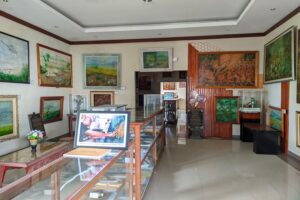


Planning to shop for Balinese souvenirs? Kumbasari Market is one of the best places to start. It sits in the heart of Denpasar on Jalan Gajah Mada, right across the Badung River. The market is open 24 hours a day, so you can visit whenever it suits your schedule.
However, mornings tend to be the best time to go. The crowd is smaller, the sellers are fresh, and you can explore at your own pace. Whether you want handicrafts, textiles, or jewelry, this market has it all.

A Traditional Balinese Shopping Experience
Kumbasari Market offers more than just shopping. It gives you a real look at Bali’s traditional way of life. The building has four floors, each filled with colorful stalls and local artisans.
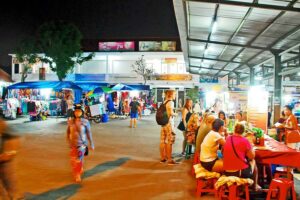
The layout follows a classic Balinese style. You will find narrow pathways, vibrant decorations, and a lively atmosphere everywhere you walk. In addition, you can buy products directly from the makers. This makes the experience feel personal and authentic.
Cultural and Historical Significance of Kumbasari Market
Kumbasari Market plays an important role in preserving Bali’s cultural heritage. Many of the goods here reflect techniques that local craftsmen have passed down for centuries. The market keeps these traditions alive.
Furthermore, it supports the local economy. Artisans rely on this market to earn their income. When you shop here, you contribute directly to the community. You also get a genuine glimpse into daily life in Denpasar.

What to Expect at Kumbasari
The market offers a wide range of products across all four floors. Here is a quick overview of what you can find:
| Category | Examples | Price Range |
|---|---|---|
| Traditional Handicrafts | Wood carvings, masks, statues, and Balinese gods figurines | Negotiable |
| Textiles | Batik fabric, sarongs, songket, and ikat cloth | Negotiable |
| Jewelry & Accessories | Silver rings, bracelets, and Balinese-inspired earrings | Negotiable |
| Paintings & Artwork | Balinese landscapes, religious scenes, and daily life depictions | Negotiable |
| Home Decor | Ceramics, woven baskets, decorative pillows, and wall hangings | Negotiable |
| Religious Items | Incense, prayer beads, and small altars | Negotiable |
Kumbasari Market and Badung Market: A Perfect Pair
Kumbasari Market shares its location with Badung Market, which sits just across the river. Both markets contribute to Denpasar’s economy and cultural life. However, they serve different purposes.
Badung Market focuses on fresh food, spices, and daily essentials. Kumbasari, on the other hand, specializes in arts, crafts, and souvenirs. Together, they give you a complete picture of local Balinese commerce. We recommend visiting both on the same day.
Unique Souvenirs to Buy
Not sure what to buy? Here are some of the most popular items at Kumbasari Art Market. Each one reflects Bali’s rich artistic traditions.
- Balinese handicrafts: Intricately carved wooden statues and handwoven baskets inspired by Hindu mythology
- Traditional textiles: Beautiful batik, songket, and ikat fabrics, perfect for clothing or home decor
- Handmade jewelry: Silver pieces, wooden accessories, and semi-precious stone jewelry
- Balinese paintings: Vibrant artworks depicting everyday life, landscapes, and religious ceremonies
- Home decor items: Clay pots, incense holders, decorative pillows, and woven wall hangings
- Religious and spiritual items: Incense, prayer beads, and small offering altars that make meaningful gifts
- Wooden masks: Characters and deities from Balinese mythology, often used in traditional dance
Tips for Visiting Kumbasari Market
A little preparation goes a long way. Follow these tips to make the most of your visit to Kumbasari Market.
- Arrive early. The market opens 24 hours, but mornings are less crowded. You get better access to stalls and more time to browse.
- Bring cash. Most vendors do not accept cards. Small bills make bargaining easier.
- Bargain with a smile. Haggling is normal and expected. Start at around 50% of the asking price, then negotiate up from there. Always stay friendly.
- Talk to the artisans. Many sellers make their own products. Ask about their craft. This adds a personal dimension to your shopping experience.
- Look beyond the obvious. Some of the most unique pieces are tucked away in smaller stalls. Take time to explore each floor.
- Come by car or ride. The market is about 15 km from Ngurah Rai Airport. If you want to explore Denpasar freely, consider using a Bali car rental with driver. Your driver handles the route, parking, and traffic, so you can focus on shopping.
Opening Hours and Best Time to Visit
Kumbasari Market is open 24 hours, every day of the week. This makes it easy to fit into any travel schedule. However, the experience changes depending on when you go.
- Early morning (7am to 10am): The quietest time. Stalls are fully stocked and sellers are ready to engage.
- Midday: The market gets busier. Tourists and locals both arrive around this time.
- Late afternoon: Another good window. The light is nice and the crowd thins slightly before evening.
- Weekdays vs weekends: Weekdays are generally calmer. Weekends attract larger crowds, especially on Sunday morning.
In short, if you prefer a relaxed experience, visit on a weekday morning. If you enjoy a lively atmosphere, come on the weekend.
Nearby Attractions Worth Exploring
Kumbasari Market sits in the center of Denpasar. As a result, several interesting spots are within easy reach. Consider adding these to your itinerary.
- Maospahit Temple: A short walk from the market. This ancient temple dates back to the Majapahit period. It offers a calm and spiritual experience.
- Bali Museum: Perfect for history lovers. The museum covers Bali’s cultural evolution from prehistoric times to the modern era.
- Badung Market: Located right across the river. It focuses on fresh produce, spices, and daily goods. A great contrast to Kumbasari’s artisanal focus.
With so much to explore in Denpasar, it helps to plan your day in advance. A Bali tour package lets you cover multiple attractions without the hassle of arranging transport yourself.
Discover Kumbasari Market with a Private Driver
Kumbasari Market is a treasure trove of Balinese arts, crafts, and souvenirs. A private driver can take you directly to the market, help you navigate its four floors, and give you tips on the best bargaining spots. Your driver also knows nearby attractions like Badung Market and Maospahit Temple that you can explore on the same day. Enjoy the flexibility to shop at your own pace without worrying about parking or directions.
Explore our bali tour package to make the most of your visit.
Frequently Asked Questions about Kumbasari Market
What is Kumbasari Market known for?
Kumbasari Market is known for its wide selection of Balinese arts and crafts. You can find wood carvings, batik textiles, handmade jewelry, paintings, and traditional souvenirs. It is one of the largest and most well-known souvenir markets in Denpasar.
What are the opening hours of Kumbasari Market?
The market is open 24 hours a day, seven days a week. However, the best time to visit is early in the morning. The crowd is smaller and the sellers are more available for interaction.
Where is Kumbasari Market located?
The market is located on Jalan Gajah Mada in Denpasar, Bali. It sits right across the Badung River from Badung Market. It is about 15 km from Ngurah Rai International Airport.
Can I bargain at Kumbasari Market?
Yes, bargaining is a common practice at Kumbasari Market. Most prices are not fixed. A good starting point is around 50% of the asking price. Always negotiate in a friendly and respectful way.
Is Kumbasari Market the same as Badung Market?
No, they are two separate markets. Kumbasari Market focuses on arts, crafts, and souvenirs. Badung Market focuses on fresh food, spices, and daily goods. They are located across the river from each other, so many visitors explore both on the same trip.
How does renting a car with driver enhance my Kumbasari Market visit?
Renting a car with driver provides convenience when visiting Kumbasari Market. Your driver handles traffic, parking, and navigation through Bali’s busy streets. You can focus on shopping and exploring without worrying about finding parking or haggling with taxis. Check out our Bali Rent a Car with Driver for more information.