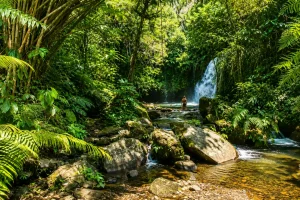


Jatiluwih Rice Terraces are an iconic representation of Bali agricultural heritage, renowned for their stunning beauty and cultural significance. Nestled in the highlands of Tabanan Regency, these terraces are part of the Subak system. It is a traditional Balinese irrigation method that dates back to the 9th century and is recognized as a UNESCO World Heritage Site. Here’s a breakdown of what makes Jatiluwih so special

Scenic Beauty and Natural Charm of Jatiluwih Rice Terrace
The lush, green landscapes of the Jatiluwih Rice Terraces are a feast for the eyes. The cascading terraces stretch as far as the eye can see, beautifully framed by the majestic backdrop of Mount Batukaru.
This harmonious interaction between human ingenuity and nature creates a tranquil and refreshing atmosphere. It’s no surprise that this destination has become a favorite spot for photographers and nature enthusiasts seeking breathtaking views.
Jatiluwih Rice Terrace: History and Cultural Significance
As a matter of fact, the history of the Jatiluwih Rice Terraces dates back over 1,000 years, rooted in Bali’s agrarian traditions. The terraces were cultivated using the subak system, an intricate irrigation network developed by Balinese farmers under the guidance of their Hindu philosophy. Subak not only ensures efficient water distribution but also embodies the concept of Tri Hita Karana, which means the balance between humans, nature, and the divine.
Jatiluwih name translates to “truly marvelous,” reflecting the awe-inspiring vistas and the significance of this area in Balinese culture. Historically, these terraces have served as the backbone of Bali rice production, providing sustenance for local communities and upholding agricultural traditions passed down through generations.
Local Legends and Myths
Jatiluwih Rice Terraces are not only a stunning landscape but also a place steeped in local legend and myth. One of the most well-known stories involves the origins of the rice terraces themselves. According to local lore, the terraces were believed to have been created by a divine intervention to ensure the prosperity of Bali’s people.
Moreover, the legend tells of a great goddess who, seeing the island’s fertile land, decided to gift the people of Bali with the ability to grow abundant rice. As a token of her blessing, she taught the Balinese farmers how to cultivate rice using the subak irrigation system. This divine gift allowed the islanders to live in harmony with the land, ensuring an endless supply of rice and the preservation of the environment.
Such myths emphasize the strong connection between Bali people and the land, and how they view the rice terraces as not just agricultural spaces, but as sacred places where nature and the divine coexist. These stories add a layer of cultural significance to Jatiluwih, making it not only a breathtaking destination but also a spiritual one.
Jatiluwih Rice Terrace Experience to Expect
Visiting the terraces offers a peaceful escape into one of Bali’s most stunning natural landscapes. You can expect a refreshing atmosphere surrounded by endless greenery and scenic views at every turn.
As you explore, you’ll walk through well-maintained paths, observe local farmers at work, and experience the traditional irrigation system that sustains the fields. Surely, the calm environment makes it perfect for relaxing walks, photography, and connecting with nature.
Visual Grandeur
In fact, Jatiluwih spans over 600 hectares, making it one of the largest rice terraces in Bali. Visitors can enjoy panoramic views of emerald-green rice paddies cascading down the slopes in perfectly aligned layers. The tranquil setting, punctuated by the sound of flowing water from the irrigation channels, offers a serene escape from Bali’s bustling tourist hubs.
Walking Trails
Jatiluwih offers several walking trails, each providing unique perspectives of the terraces. The trails are well-marked and vary in length, accommodating both casual strollers and avid hikers. Along the way, visitors can observe local farmers tending to their crops and experience the rhythm of daily life in the countryside.
Traditional Farming Practices
A visit to Jatiluwih is an opportunity to witness traditional farming techniques still in practice today. Farmers use tools and methods that have been unchanged for centuries, emphasizing sustainable and eco-friendly practices.
Environmental Impact and Conservation Efforts
The preservation of the Jatiluwih Rice Terraces is crucial not only for Bali’s agricultural heritage but also for the island’s ecosystem. As a UNESCO World Heritage site, Jatiluwih has become a symbol of sustainable agricultural practices, particularly the subak irrigation system. This system, which relies on a network of communal water channels, ensures that water is distributed fairly among the rice paddies, promoting both environmental sustainability and social harmony.
Environmental Challenges and Modern Pressures
However, like many heritage sites, Jatiluwih faces challenges due to modern development and climate change. Rising temperatures, unpredictable rainfall patterns, and encroaching tourism have all affected the delicate balance of this centuries-old agricultural practice.
To address these concerns, local communities, together with governmental and environmental organizations, have taken several steps to safeguard the terraces. Efforts include promoting sustainable tourism practices, maintaining the traditional subak system, and educating visitors about the importance of preserving the terraces.
Conservation Efforts and Sustainable Practices
Conservation initiatives also focus on protecting the biodiversity of the area. The rice terraces are home to various species of flora and fauna, and it is essential to ensure their protection alongside agricultural practices.
Sustainable farming techniques, such as organic rice farming, are being encouraged to reduce the impact of modern agriculture on the environment. By supporting these initiatives, visitors can contribute to the long-term preservation of Jatiluwih and its surrounding ecosystem.
Why Jatiluwih Rice Terraces Unique
Jatiluwih Rice Terraces stand out for their vast, uninterrupted landscapes that showcase Bali’s traditional farming heritage at its finest. Unlike other terraces, the area feels more natural and less crowded, offering a more authentic and peaceful experience.
What truly makes it unique is the Subak irrigation system, a UNESCO-recognized cultural heritage that reflects the deep spiritual connection between the Balinese people and their environment. This harmony between culture, agriculture, and nature creates a setting that is both meaningful and visually stunning.
UNESCO World Heritage Status
Jatiluwih designation as a UNESCO site underscores its cultural and historical significance. The terraces showcase the ancient subak system, a cooperative water management method developed by Balinese farmers and rooted in the island’s Hindu-Balinese philosophy of Tri Hita Karana (harmony among people, nature, and the divine).
Panoramic Beauty
The expansive view of vibrant green rice fields stretching toward the horizon is simply unparalleled. Moreover, the terraces follow the natural contours of the hills, creating a mesmerizing mosaic that changes with the seasons. Whether it’s planting season or harvest time, Jatiluwih offers stunning vistas that captivate photographers and nature enthusiasts alike.
Activities Jatiluwih Rice Terraces
- Walking and Trekking Trails, Explore various trails winding through the terraces, allowing visitors to immerse themselves in the serene landscape. Trails range from short, leisurely strolls to longer, more challenging hikes that take you deeper into the terraces and nearby villages.
- Cultural Experiences, Gain insights into traditional farming practices by interacting with local farmers. Depending on the season, you might even witness rice planting or harvesting in action.
- Cycling Tours, Rent a bicycle and navigate through the terraces for a unique perspective. The cool mountain air makes cycling a refreshing way to explore the area.
- Photography, Jatiluwih is a haven for photographers, offering countless opportunities to capture the beauty of Bali’s rural charm. Sunrise and sunset are particularly magical times to visit.

Local Cuisine Jatiluwih Rice Terraces You Must Try
A visit to the Jatiluwih Rice Terraces is not just about breathtaking views but also an opportunity to savor some of Bali’s authentic cuisine. The area is home to several local eateries, known as “warungs,” where you can enjoy fresh, traditional Balinese dishes.
Must-Try Traditional Balinese Dishes
Some of the must-try foods in the Jatiluwih area include:
- Nasi Campur Bali – A plate of rice served with a variety of side dishes such as vegetables, meat (often chicken or pork), sambal, and rice crackers. This dish offers a perfect representation of Bali’s vibrant and diverse flavors.
- Lawar – A traditional Balinese dish made with finely chopped meat, vegetables, grated coconut, and rich spices. Often served during ceremonies, it offers a taste of authentic Balinese culture.
- Babi Guling – Known as Bali’s famous roast pork, this dish is usually prepared for special occasions and features tender, spiced meat served with rice and vegetables.
- Sate Lilit – Balinese-style satay made from minced meat (usually chicken or fish) mixed with spices and wrapped around a skewer, then grilled to perfection.
- Es Kelapa Muda – A refreshing drink made from young coconut, often served chilled with its natural juice and a bit of coconut meat, perfect after a walk around the terraces.
For dessert, try Dadar Gulung, a sweet rolled pancake filled with coconut and palm sugar. These dishes are typically made with locally sourced ingredients, giving you a true farm-to-table dining experience that reflects Bali’s agricultural richness.
A Farm-to-Table Dining Experience
Eating at a warung near Jatiluwih provides not only a culinary adventure but also an opportunity to support the local community, as many warungs are family-run businesses that rely on the region’s agricultural bounty.
By enjoying the food and learning about local traditions, you’ll gain a deeper appreciation for the connection between the land, its people, and the cultural heritage of Bali.
Tips for Visiting Jatiluwih Rice Terraces
To make the most of your visit to the Jatiluwih Rice Terraces, here are some practical suggestions.
The ideal time to see lush green rice fields is during Bali’s dry season (March to October), when the weather is pleasant and the terraces display vibrant greenery. Arriving early in the morning or late in the afternoon is recommended for cooler temperatures, fewer crowds, and the best lighting for photography.
What to Wear for a Comfortable Visit
Choose footwear suitable for walking on uneven or muddy trails, such as hiking shoes. Lightweight, breathable clothing is ideal for the tropical climate, and a sturdy hat or cap can provide relief from the sun.
If visiting during the rainy season (November to February), pack a raincoat or umbrella to prepare for sudden downpours.
Essentials to Bring
To ensure a comfortable visit, bring essentials like sunscreen to protect your skin, insect repellent to ward off bugs, and a reusable water bottle to stay hydrated. These simple items can make your journey much more enjoyable.
Respect Nature and Local Culture
Preserve the natural beauty and cultural significance of Jatiluwih by staying on designated paths and avoiding damage to the rice paddies. Carrying your trash with you is also important to maintain cleanliness and sustainability.
Connect with the Local Community
Enhance your experience by interacting with locals who manage the terraces and uphold the traditional Subak irrigation system. Supporting them through local warungs or small purchases also helps sustain the community.
Accessibility and Entrance Information
Visitors should note that there is a small entrance fee, which contributes to the preservation of the site and supports the local community. The terraces are accessible by car, scooter, or guided tours.
If you are unfamiliar with the area, hiring a driver or joining a tour can make your visit smoother and more enjoyable.
By following these tips, your journey to Jatiluwih Rice Terraces will not only be memorable but also contribute positively to the local community and ecosystem.
Conclusion
For those looking to explore Bali further, consider booking a tour with Bali Touristic. Their expert guides can take you through Jatiluwih and other fascinating places, ensuring a smooth and enriching experience. From cultural insights to breathtaking landscapes, Bali Touristic offers comprehensive itineraries that will help you make the most of your visit. Be sure to check out TripAdvisor for reviews and testimonials from fellow travelers who have experienced the beauty and charm of Bali firsthand.
As you explore the region, don’t miss the Tabanan Interesting Places to Visit, a nearby attraction that provides an additional layer of history and culture to your Bali adventure. This is another fantastic spot to discover the unique heritage of Tabanan and add to your collection of memories from this vibrant island.
Whether you’re a nature enthusiast, history buff, or cultural explorer, Jatiluwih and its surrounding areas promise a truly immersive experience.
Plan Your Journey with Bali Touristic
Planning your visit becomes easier when you choose a trusted service that understands Bali inside out. With Bali Touristic, you can explore scenic landscapes, cultural sites, and hidden countryside routes comfortably.
Choose a flexible Bali tour package that fits your travel style, whether you prefer a relaxed sightseeing day or a full cultural exploration. Their curated experiences help you enjoy every moment without worrying about logistics.
For a more personalized journey, you can also book a rent a car with driver service that lets you travel at your own pace while discovering the beauty of Jatiluwih and beyond.
Frequently Asked Questions About Jatiluwih Rice Terraces
What is the best time to visit Jatiluwih Rice Terraces?
The best time to visit is early morning or late afternoon when the weather is cooler and the lighting is perfect for photos. These times also offer a more peaceful atmosphere with fewer visitors.
How do I get to Jatiluwih Rice Terraces from popular tourist areas?
You can reach the area by car or motorbike from places like Ubud or Denpasar. Hiring a private driver is often the most convenient option for a smooth and comfortable journey.
Is there an entrance fee to explore Jatiluwih Rice Terraces?
Yes, visitors are required to pay a small entrance fee to help maintain the site. The fee is generally affordable and contributes to preserving the traditional farming system.
What activities can visitors enjoy in Jatiluwih Rice Terraces?
Visitors can enjoy walking or cycling through the rice fields while taking in the stunning scenery. Photography and learning about traditional irrigation systems are also popular activities.
Are there facilities available for tourists?
Basic facilities such as parking areas, local restaurants, and rest spots are available. Some cafes also offer beautiful terrace views where you can relax and enjoy the surroundings.