

Last Updated: June 2026
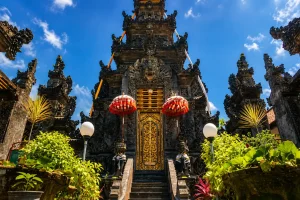
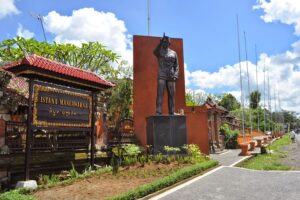
Bajra Sandhi Monument, located in Denpasar, is an iconic landmark dedicated to the struggles and history of the Balinese people. It stands as a tribute to the bravery, resilience, and cultural identity of the island’s inhabitants throughout centuries of various conflicts and challenges. The monument is a must-visit for those interested in Bali’s rich history and the perseverance of its people.

History & Cultural Significance
The construction of the Bajra Sandhi Monument began in 1981 and was structurally completed in 1987. However, the monument was not officially inaugurated until June 14, 2003, when President Megawati Sukarnoputri opened it to the public. It was erected to honor the struggles of the Balinese people against Dutch colonialism in the early 20th century and to commemorate Bali’s journey to independence. Situated in Renon Square, the monument holds historical significance as it marks the location of the Puputan Badung in 1906, a courageous last stand by Balinese royalty against Dutch forces. Bajra Sandhi stands as a powerful symbol of Bali’s unwavering spirit and the sacrifices made for freedom.
The Significance of the Monument
The Bajra Sandhi Monument was built to commemorate the resistance of the Balinese against foreign invasions, colonialism, and the fight for independence. The word “Bajra” refers to a bell or drum in Balinese culture, symbolizing the call for action and unity. “Sandhi” refers to a place or monument. Together, Bajra Sandhi signifies a powerful call to remember the sacrifices and struggles of the Balinese people throughout history.
The monument is located in the heart of Denpasar, in the Renon Square, and serves as a historical reminder of Bali’s battle for freedom and self-determination. It features a unique architectural design that combines Balinese and modern elements, making it a fascinating structure for visitors.
What to See Inside the Monument
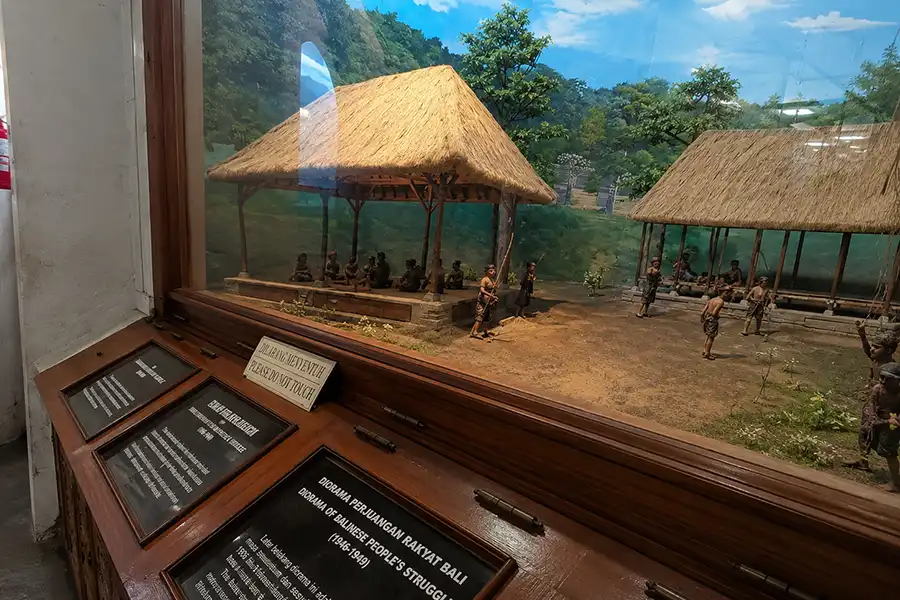
The Bajra Sandhi Monument consists of several levels, each representing different periods in Balinese history. Visitors can explore the monument’s many exhibits, which showcase the island’s journey from ancient times to the modern era. The exhibits include historical artifacts, dioramas, and sculptures depicting significant battles, events, and figures in Bali’s past.
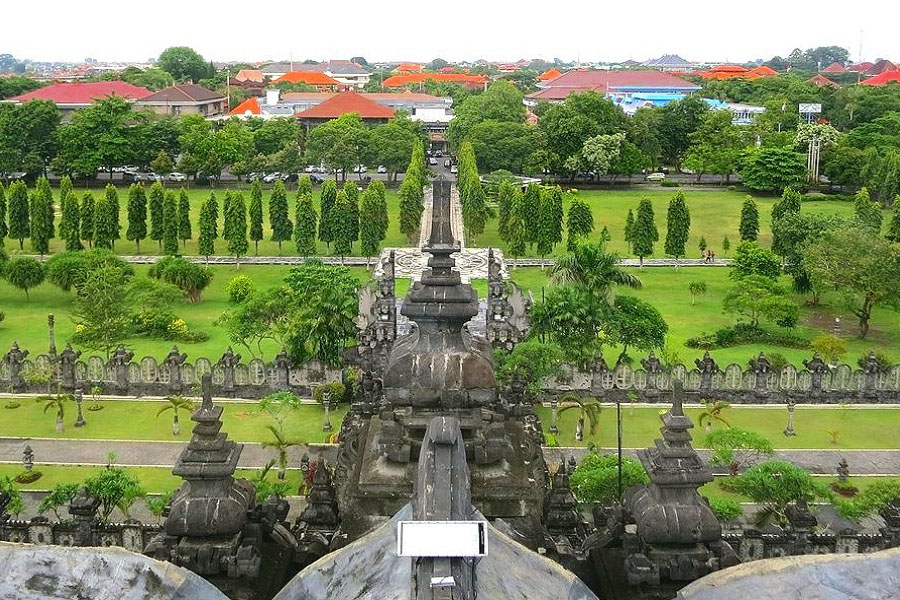
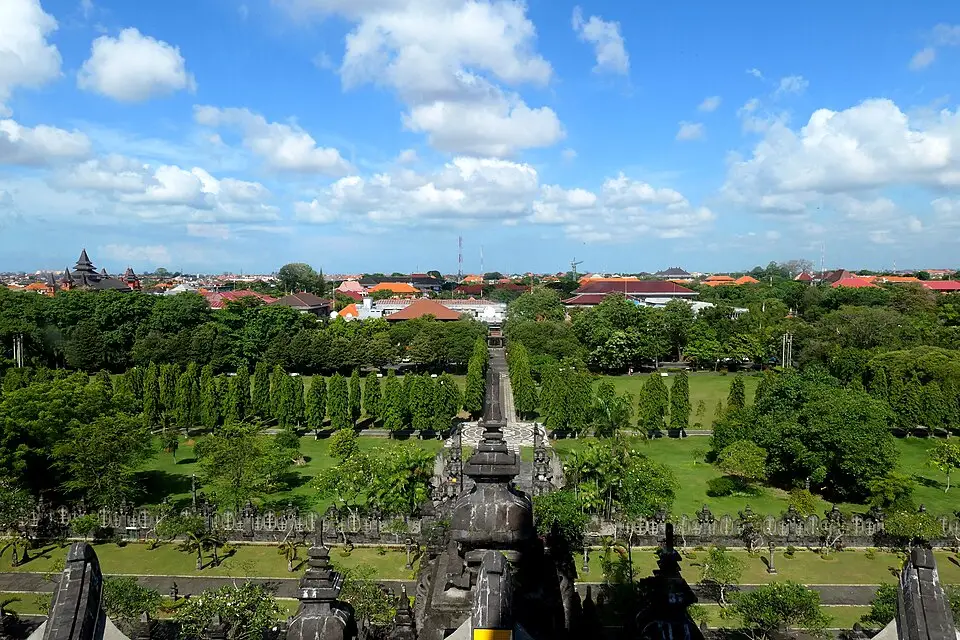
- The Monument Architecture: A standout feature of the majestic Bajra Sandhi structure is its impressive and intricate design. The central tower, crowned with a traditional Balinese stupa, soars above the area, providing visitors with stunning 360-degree views of Denpasar and its surroundings. Adorned with detailed carvings and sculptures, the monument reflects Bali’s rich artistry. Guests can ascend to the top to enjoy sweeping vistas of the cityscape and nearby natural scenery.
- Museum and Exhibits: Inside the monument, there is a museum dedicated to the history and culture of Bali. The museum houses detailed exhibits on Bali’s traditional life, the history of the island’s resistance against colonial powers, and the role of the people in fighting for their freedom. This educational experience provides visitors with a deeper understanding of the cultural significance of Bali and the perseverance of its people. To explore the museum at your own pace and combine it with other Denpasar landmarks, consider a Bali car rental with driver for a flexible, guided experience.
Highlight Features of Bajra Sandhi Monument
Standing 45 meters tall, the Bajra Sandhi Monument houses 33 detailed dioramas across multiple floors, depicting key moments in Balinese history from ancient times through independence. Visitors reach the top viewing platform via a spiral staircase. Note that while the main museum floors are accessible, the spiral staircase to the top may be challenging for those with mobility limitations.
- Architectural Design: The monument blends traditional Balinese and modern architectural styles, with intricate carvings and sculptural details that depict important historical events, making it an iconic landmark.
- The Central Dome: The monument’s central dome represents the unity and strength of the Balinese people, and visitors can ascend to the top for panoramic views of Denpasar and the surrounding areas.
- Historical Relief Panels: Surrounding the monument are large relief panels that vividly tell the story of Bali’s history, from ancient times through the colonial era to independence.
- Puputan Badung Memorial: As the site of the Puputan Badung battle, Bajra Sandhi holds deep emotional and historical significance. It serves as a reminder of the sacrifices made by the Balinese in their fight for freedom.
- Museum and Exhibition: Inside the monument, there is a museum that houses historical exhibits, including photographs, documents, and relics from Bali’s past.
- Symbolic Shape: The monument’s unique shape, resembling a giant bell or drum (“Bajra”), symbolizes the call for unity and action.
Visiting Information and Tips
- Opening Hours: The Bajra Sandhi Monument is typically open daily from 8:00 AM to 5:00 PM.
- Entrance Fee: There is a small entrance fee, usually around IDR 20,000 to IDR 30,000 for adults. Please verify current pricing before your visit, as rates may have changed.
- Best Time to Visit: The best time to visit the monument is in the morning or late afternoon, when the weather is cooler.
- Accessibility: The main museum floors of the Bajra Sandhi Monument are accessible to most visitors. However, those with mobility limitations should note that reaching the top viewing platform requires climbing a spiral staircase.
Bajra Sandhi Monument Facilities
The Bajra Sandhi Monument offers several facilities including a visitor center, exhibition hall, viewing deck with panoramic views, parking area, restrooms, and nearby food stalls.
Conclusion
The Bajra Sandhi Monument is not just an architectural marvel but also a symbol of Bali’s enduring spirit and the sacrifices made by the Balinese people in their fight for independence. With its stunning design, historical significance, and educational exhibits, the monument offers visitors a deeper understanding of Bali’s rich past. History lovers may also want to visit the Bung Karno Museum in Denpasar to learn more about Indonesia’s journey to independence. Whether you’re a history enthusiast, an architecture lover, or simply seeking to explore Bali’s cultural heritage, Bajra Sandhi is a must-visit landmark in Denpasar.
For a more organized exploration of Denpasar Interesting Places to Visit, consider exploring the island through Bali Touristic.
Visit Bajra Sandhi Monument with a Private Driver
Bajra Sandhi Monument is located in Renon Square, central Denpasar (capital of Bali). Having a private driver makes it easy to visit this historical landmark and combine it with other Denpasar attractions. If you’re arriving from the airport, our Bali airport transfer service can take you straight to your hotel before you start exploring. Your driver knows the best times to visit to avoid crowds and can explain the monument’s historical significance. Enjoy panoramic views from the top without worrying about parking.
Explore our Bali tour packages to make the most of your visit.

Bajra Sandhi FAQ
What is Bajra Sandhi Monument?
Bajra Sandhi is an iconic monument in Denpasar dedicated to the struggles and history of the Balinese people. It commemorates Bali’s fight against Dutch colonialism and journey to independence.
When was it built?
Construction started in 1981 and was structurally completed in 1987. The monument was officially inaugurated on June 14, 2003, by President Megawati Sukarnoputri. It is located at the site of the Puputan Badung in 1906.
What does Bajra Sandhi mean?
“Bajra” means bell or drum in Balinese, symbolizing the call for unity. “Sandhi” means monument. Together, it represents the call to remember past struggles.
How tall is the monument?
The Bajra Sandhi Monument stands 45 meters tall and contains 33 dioramas spread across multiple floors depicting key events in Balinese history.
Can I climb to the top?
Yes, visitors can ascend to the top of the central dome for panoramic views of Denpasar and surroundings via a spiral staircase. Those with mobility limitations should note the staircase may be challenging.
What are the ticket prices?
Entrance is approximately IDR 20,000 to IDR 30,000 for adults. Please verify current pricing before your visit as rates may have changed.
Can I visit with a private driver?
Yes, visiting with a private driver is recommended for convenience. Your driver can combine this with other Denpasar attractions. Check out our Bali tour package options for a comfortable cultural experience.