
Bali is more than beaches and busy temples. Beneath the tourist trails, the island holds spiritual places in Bali that most visitors never find. These are quiet caves, misty forest temples, and sacred valleys where Balinese Hindu ceremonies have continued for centuries. If you are looking for something real, these 20 lesser-known sanctuaries offer exactly that.
So, whether you seek healing, meditation, or a moment of genuine stillness, this guide will point you in the right direction.

Quick Reference: Hidden Spiritual Places in Bali
| Place | Location | Type | Best For |
| Pura Luhur Lempuyang | East Bali | Temple | Pilgrimage, photography |
| Gunung Kawi Sebatu | Gianyar | Water temple | Purification rituals |
| Goa Giri Putri | Nusa Penida | Cave temple | Spiritual renewal |
| Sidemen Valley | East Bali | Valley / retreat | Yoga, meditation |
| Pura Luhur Batukaru | Tabanan | Temple | Deep contemplation |
| Tirta Sudamala | Bangli | Water temple | Melukat ceremony |
| Munduk Highlands | Buleleng | Highland area | Inner work, nature |
| Yeh Mampeh Waterfall | North Bali | Waterfall | Energy cleansing |
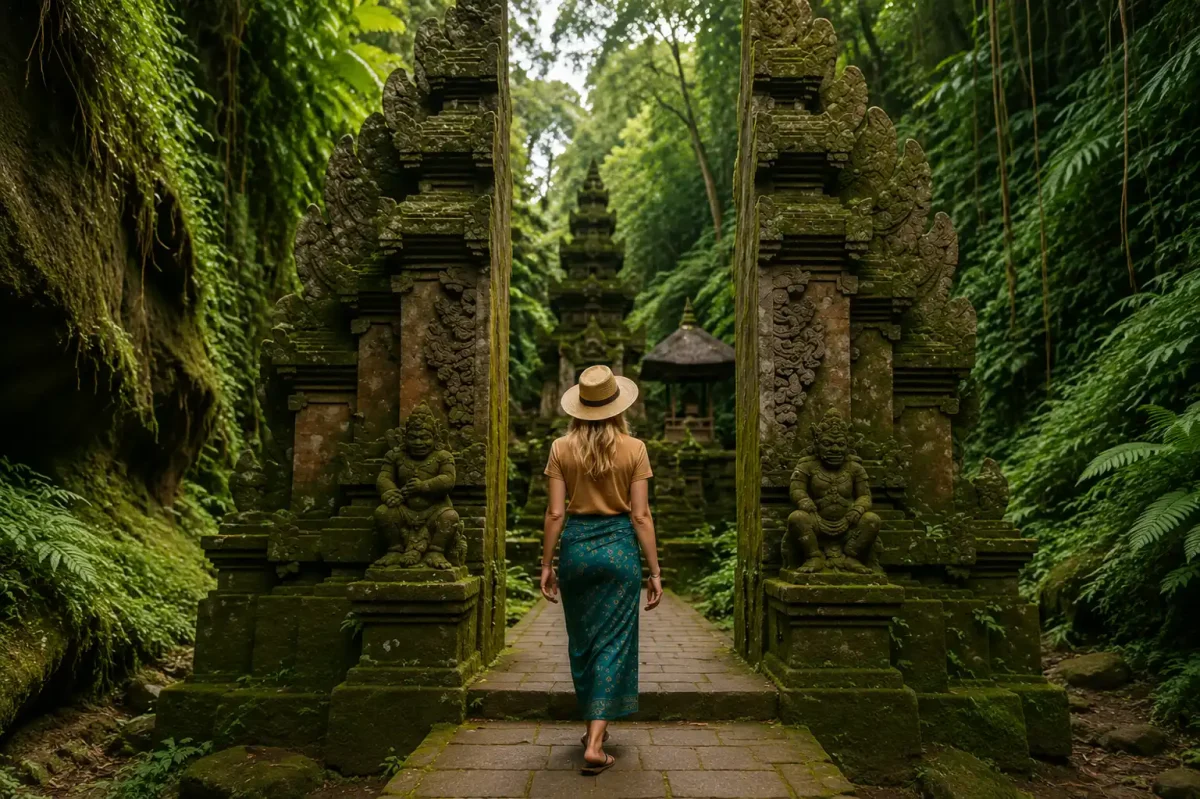
What Makes Bali a Spiritual Destination
Bali is the only Hindu-majority island in Indonesia. Because of this, spiritual life shapes everything here. You see offerings on doorsteps every morning. Then you hear gamelan music from temple ceremonies. You feel it in the air, especially away from the crowds.
Balinese Hinduism is rooted in three core ideas. First, nature is holy. Rivers, mountains, and forests all carry spiritual energy. Second, balance between good and evil must always be maintained. Third, community is sacred. Ceremonies bring villages together throughout the year. Together, these beliefs turn the whole island into a living spiritual place in Bali.
Furthermore, many travelers describe a heightened sense of energy around Mount Agung, Ubud, and the northern highlands. Whether this comes from the volcanic landscape, the density of active rituals, or both, the effect is hard to ignore.
Pura Luhur Lempuyang: Gateway to Paradise
Pura Luhur Lempuyang sits high in the hills of East Bali. It is one of Bali’s nine directional temples and among the holiest on the island. The climb up the stone stairway is itself a spiritual act. Each step represents a move toward higher knowledge.
Additionally, the iconic split gate, or candi bentar, frames Mount Agung perfectly on clear mornings. This is one of the most photographed spots in Bali. However, its true draw is the atmosphere of quiet reverence that surrounds it.
Gunung Kawi Sebatu temple
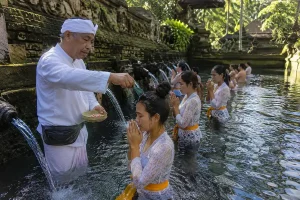
Just a short drive from Ubud, this hidden temple in Bali sits inside a thick forest. Unlike the more popular Tirta Empul, Gunung Kawi Sebatu is peaceful and rarely crowded. Local priests conduct regular water purification ceremonies here, called melukat. Tourists are welcome to observe or participate respectfully.
Goa Giri Putri cave temple
Hidden inside a limestone cavern on Nusa Penida, Goa Giri Putri temple as an underground sanctuary, is one of Bali’s most unusual spiritual places. To enter, you must squeeze through a narrow opening in the rock. This act symbolizes spiritual rebirth. Inside, the cave opens into a wide, incense-filled prayer space.
Pura Dalem Pingit
Located in the northern town of Sangsit, this temple receives very few tourist visitors. It is known for its intense spiritual atmosphere and its connection to ancestral energy. Advanced spiritual seekers often visit to deepen their meditation practice here.
Jatiluwih Rice Terraces
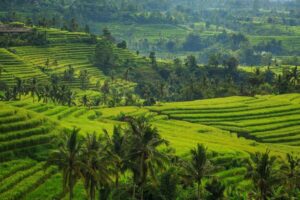
As an UNESCO-listed rice terraces, Jatiluwih Rice Terraces are not a temple, but they carry a deep sense of spiritual balance. The landscape reflects the Balinese concept of Tri Hita Karana, or harmony between people, nature, and God. As a result, many visitors use this place for quiet reflection and grounding.
Sidemen Valley: A Hidden Spiritual Valley
Furthermore, Sidemen is a lush river valley in East Bali. It sits in the shadow of Mount Agung and sees far fewer visitors than Ubud. Because of this, it remains one of the best bali lesser-known spiritual locations for yoga retreats, meditation, and slow travel. Traditional Balinese life continues here largely unchanged.
Taman Beji Griya Waterfall
This spiritual site near Ubud combines a waterfall, purification pools, and natural energy points. Balinese priests conduct water blessings and energy cleansing ceremonies at Taman Beji Griya Waterfall for visitors. Consequently, it attracts both local devotees and spiritually curious travelers.
Pura Penataran Agung Besakih
Known as the Mother Temple of Bali, Besakih Temple is a vast complex on the slopes of Mount Agung. Most tourists only visit the outer courtyards. However, the inner sections hold deep ceremonial significance and are far less explored.
The Campuhan Ridge Walk
This gentle trail through the hills above Ubud is often overlooked as simply a scenic walk. In reality, the Campuhan Ridge Walk is a quietly powerful space. The early morning mist, the birdsong, and the views over rice fields create an ideal setting for reflection and mental release.
Penglipuran Village and Pura Taman Sari
Penglipuran Village
As a traditional Balinese village, Penglipuran Village has preserved its original layout and customs for generations. Spiritual practices are woven into daily life here. Strolling the clean bamboo-lined paths gives you a rare glimpse into community-based spirituality that is still very much alive.
Pura Taman Sari
This remote water temple in Bangli sits far from the main roads. It is a perfect destination for solo travelers or anyone seeking spiritual places in Bali without the crowds. The temple atmosphere is intimate and undisturbed.
Mount Batur sunrise trek
Climbing Mount Batur before sunrise is both a physical challenge and a spiritual experience. At the summit, the view of the volcanic crater and surrounding mountains creates a sense of awe that is hard to describe. Many trekkers describe feeling a deep sense of clarity and peace at the top.
Pura Melanting
Situated in North Bali, this quiet temple is dedicated to the goddess of prosperity. It draws those seeking spiritual alignment around wealth and purpose. Because it is less known, the atmosphere is calm and genuinely sacred.
Tirta Sudamala Temple
In Bangli, Tirta Sudamala is a lesser-known water temple that holds equally deep purification power as the more famous Tirta Empul. Traditional melukat ceremonies take place here regularly, guided by local Balinese priests. Therefore, it is an excellent spot for those wanting an authentic spiritual things to do in Bali experience.
Sari Organik Path
Starting in Ubud, this winding trail passes through rice fields and past artists’ homes. The walk itself promotes a deep sense of calm. It is a natural, informal spiritual place ideal for anyone who finds stillness in movement rather than ceremony.
Pura Luhur Batukaru
This temple sits at the foot of Mount Batukaru, wrapped in mist and ancient forest. Batukaru Temple is one of Bali’s nine directional temples and one of the most spiritually charged. The surrounding silence makes it an ideal place for deep contemplation.
Yeh Mampeh Waterfall
Remote and rarely visited, Yeh Mampeh near Tejakula is a hidden sanctuary of natural energy. The waterfall drops from a dramatic height into a clear pool below. Many who visit describe feeling a strong sense of elemental cleansing here.
Pura Gunung Lebah
Tucked at the meeting point of two rivers in Ubud, this temple is easy to walk past. Yet its location at a natural confluence gives it an unusually strong spiritual charge. It is one of Ubud’s oldest temples and well worth a quiet visit.
Les Village Spring Pools
In North Bali, the spring-fed pools near Les Village offer a secluded setting for journaling, meditation, and reconnection. The water is cold and clear. The atmosphere is completely removed from the tourist circuit.
Munduk Highlands
The Munduk highlands in North Bali are home to waterfalls, coffee plantations, and hidden temples. Because few tourists reach this area, it remains one of the most untouched spiritual places in Bali for serious inner work. The cool mountain air, the forest trails, and the distant sound of temple bells create an atmosphere that is hard to find anywhere else on the island.
Moreover, local guides in Munduk can take you to small village temples and sacred springs that do not appear in any travel guide.
Spiritual Things to Do in Bali Beyond Temple Visits
Visiting temples is just one part of spiritual things to do in Bali. Several experiences go deeper and connect you more directly with Balinese religious life.
- Melukat purification ritual: A traditional Balinese water blessing ceremony. Priests guide participants through prayer and submersion under holy spring water. You can join this at Gunung Kawi Sebatu, Tirta Empul, or Tirta Sudamala.
- Silent meditation retreat (Vipassana): Bali hosts several retreat centers offering 10-day silent meditation programs. Ubud is the most popular base for this.
- Yoga in Ubud: The Yoga Barn in Ubud is one of Southeast Asia’s most established yoga centers and hosts a range of spiritual workshops.
- Attending a Kecak ceremony: The evening fire dance at Uluwatu combines art, storytelling, and spiritual ritual in one dramatic setting.
- Nyepi Day, the Day of Silence: If you visit during the Balinese New Year, the entire island goes dark and silent for 24 hours. It is the most spiritually profound day on the Balinese calendar.
Why Look for Hidden Spiritual Places in Bali?
Bali’s famous temples are worth visiting. However, the hidden spiritual places in Bali offer something different. They carry an energy that crowded sites simply cannot hold. When a place is not surrounded by tour groups and selfie sticks, its sacred quality becomes much easier to feel.
Furthermore, visiting lesser-known sites is also a form of respect. It supports local communities, reduces pressure on overvisited temples, and allows ceremonies to continue without interruption.
In short, the further you go from the main circuit, the more authentic your experience becomes.
Spiritual Travel Tips for Bali
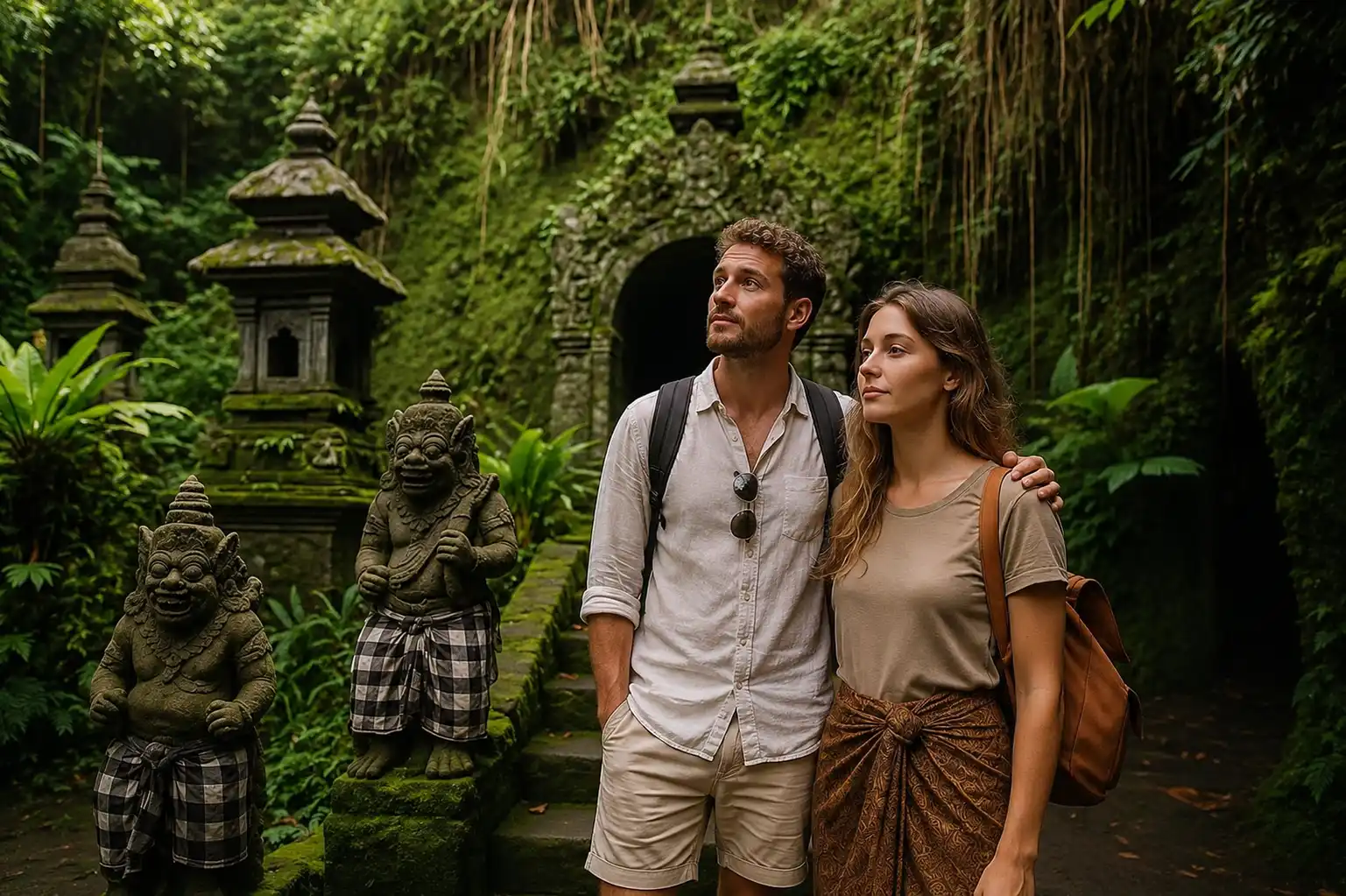
- Dress respectfully: Always wear a sarong and sash when entering any temple. Cover your shoulders and knees. Most temples provide sarongs at the entrance for a small fee.
- Travel with intention: Enter each site with humility. Avoid speaking loudly, and take time to simply observe before taking photos.
- Use a local guide: Local guides carry deep knowledge about the history and significance of hidden temples. They also know which sites are currently open for ceremonies.
- Participate mindfully: If you are invited to join a ceremony, accept with gratitude and follow the lead of those around you.
- Go early: Most spiritual sites are quieter and more atmospheric in the early morning. Arriving before 8 AM makes a significant difference.
Bali’s spiritual depth goes far beyond its famous temples and crowded beaches. The island holds hidden valleys, misty mountain forests, and centuries-old caves where genuine stillness still exists. Exploring these lesser-known spiritual places in Bali lets you experience the island as it truly is: a living, breathing sacred landscape where ceremonies have continued without pause for generations.
Whether you seek meditation, healing, or simply a moment of real quiet, these sanctuaries offer exactly what mainstream tourism cannot.
Plan Your Spiritual Journey in Bali
Reaching many of these hidden sites requires local knowledge and reliable transport. Some temples are tucked down narrow mountain roads. Others are accessible only by walking trails that are easy to miss without a guide.
Our Bali tour packages include private day tours designed for travelers who want to explore beyond the usual circuit. We work with experienced local drivers who understand the cultural significance of each site and can help you visit with the right timing and the right approach.
If you prefer to explore at your own pace, our Bali car rental with driver service gives you the flexibility to visit multiple spiritual sites in a single day, comfortably and without hassle.

Questions About Spiritual Places in Bali
What are the most spiritual places in Bali?
The most well-known spiritual places in Bali include Pura Luhur Lempuyang for its iconic Gates of Heaven, Tirta Empul for holy spring water purification, and Pura Besakih as the Mother Temple of Bali. Beyond these famous sites, hidden locations like Pura Dalem Pingit, Pura Luhur Batukaru, and remote waterfalls like Yeh Mampeh offer equally powerful experiences without the crowds.
What is Bali known for spiritually?
Bali is known as the Island of a Thousand Temples. Deep roots in Balinese Hinduism shape every part of daily life, from morning offerings to elaborate temple ceremonies. The island is also known for its sacred water temples, dramatic clifftop shrines, and the spiritual energy of its volcanic mountains. Many visitors describe feeling a unique sense of calm and heightened awareness, especially in Ubud, Sidemen, and the northern highlands.
Is Bali a spiritual vortex?
Many spiritual seekers describe Bali as a spiritual vortex. The combination of Balinese Hindu traditions, active ceremonial life, and sacred natural landscapes creates a concentrated spiritual atmosphere. Areas around Mount Agung and the remote highland regions are frequently described as having heightened energy. Whether this comes from the island’s geology, its centuries of continuous religious practice, or both, Bali has long drawn those seeking spiritual things to do in Bali, yoga, and healing retreats.
What is melukat and can tourists participate?
Melukat is a traditional Balinese water purification ritual. A priest guides participants through prayer and submersion under flowing holy spring water to cleanse spiritual impurities. Tourists can participate at several water temples, including Gunung Kawi Sebatu, Tirta Empul, and Tirta Sudamala. Always dress modestly, follow the priest’s guidance, and approach the ceremony with genuine respect.
Can I wear red in Bali?
Yes, wearing red in Bali is perfectly fine. In Balinese Hindu culture, red is associated with prosperity, celebration, and royalty, and it appears frequently in temple decorations and offerings. When visiting temples, what matters is modesty, not color. Always wear a sarong, cover your shoulders and knees, and remove your shoes at the entrance.
What should I know before visiting spiritual places in Bali?
Always dress modestly with shoulders and knees covered. Wear a sarong when entering temples. Remove your shoes at temple entrances. Avoid touching offerings or sacred objects. Do not point your feet at shrines or altars. Ask permission before photographing ceremonies. Visiting with a knowledgeable local guide enriches the experience significantly and helps ensure you participate respectfully.
How do I reach hidden spiritual places in Bali?
Most hidden spiritual places in Bali require a private vehicle to reach. Roads to places like Yeh Mampeh Waterfall, Pura Dalem Pingit, and the Munduk highlands can be narrow and winding. The most comfortable option is to hire a knowledgeable local driver. Our Bali car rental with driver service is ideal for spiritual travelers who want to cover multiple sacred sites in one day while learning about their history and meaning along the way.
When is the best time to visit spiritual places in Bali?
Early morning is the best time to visit most spiritual sites. The light is beautiful, the atmosphere is calm, and you are far less likely to encounter crowds. Arriving before 8 AM makes a noticeable difference. Additionally, the dry season from April to October offers more reliable weather for reaching remote highland and mountain temples.