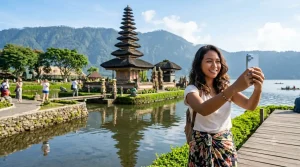


Tucked away in Jembrana’s quiet countryside, Palasari Dam is one of Bali’s most overlooked destinations — a working reservoir that doubles as a scenic retreat for visitors seeking calm over crowds. The still waters reflect the surrounding hills in a way that rewards early risers and photographers alike.
Beyond its natural beauty, the dam plays a vital role in irrigating Jembrana’s rice fields and managing seasonal floodwater — a reminder that in Bali, even the landscape carries cultural purpose. This guide covers everything you need to know to plan a visit.

Scenic Views and Tranquil Atmosphere Palasari Dam
One of the main attractions at Palasari Dam is its stunning panoramic views. The tranquil waters of the reservoir reflect the surrounding hills and the sky, creating a perfect setting for a peaceful escape. Whether you’re enjoying a quiet moment by the water or exploring the area diverse flora and fauna, the calm atmosphere makes it an excellent place to unwind.
The dam is also surrounded by lush greenery, offering picturesque landscapes that change throughout the day. Early mornings and late afternoons provide the best lighting for photography, with the sun casting a golden glow over the water and hills.
Importance of Palasari Dam
The Palasari Dam is not only a scenic and tranquil spot in Bali, but it also plays a crucial role in maintaining the island agricultural and environmental balance. As a vital piece of Bali’s water management system, the dam ensures that surrounding agricultural areas, particularly the rice fields, have a steady supply of water. This is especially important in Bali, where agriculture, especially rice farming, forms the backbone of the economy and culture.
One of the key functions of the Palasari Dam is its role as a reservoir for irrigation. Bali unique landscape is characterized by terraced rice fields, many of which rely on a constant water supply for their cultivation. The dam stores water during the wet season, when rainfall is abundant, and releases it during the dry season to irrigate the surrounding agricultural lands. This makes it an essential tool for ensuring crop yields and food security for local communities who depend on agriculture for their livelihoods.
Throughout the wet season, when heavy rainfall is common the Palasari Dam also serves as a flood control mechanism. Bali experiences heavy rainfall from November to March, and without effective water management, the island would face the risk of floods that could damage crops, homes, and infrastructure. The dam regulates the flow of water, storing excess rainwater and gradually releasing it, thereby preventing floodwaters from overwhelming the surrounding areas. This controlled release of water helps maintain a balance, ensuring that the environment and agriculture remain intact.
Beyond its immediate impact on agriculture, the dam also contributes to the preservation of the local ecosystem. By regulating water flow, it helps maintain the delicate balance of natural resources, supporting the overall health of surrounding forests and wildlife habitats. Water stored in the dam sustains vegetation and provides drinking water for local communities, contributing to both environmental sustainability and public health.
Flora and Fauna at Palasari Dam
The area around Palasari Dam is home to a diverse range of flora and fauna, thanks to the lush environment and fertile soil. Some of the flora you may encounter include:
- Tropical Trees: Palasari Dam is surrounded by various tropical trees, such as mango, coconut palms, and other local species.
- Aquatic Plants: The dam itself supports a variety of aquatic plants, which contribute to the local ecosystem.
As for fauna, the region is home to various bird species, small mammals, and insects. Birdwatchers will appreciate the chance to spot native species that thrive in this natural environment. The sound of birdsong adds to the peaceful atmosphere of the dam.
Activities at Palasari Dam
- Photography: With its captivating landscapes and serene waters, Palasari Dam is a photographer paradise. The reflections of the hills and surrounding greenery create striking visual opportunities, especially during sunrise and sunset.
- Relaxing by the Water: For those seeking tranquility, sitting by the water edge provides a calming experience. The cool breeze, combined with the peaceful sounds of nature, allows visitors to fully immerse themselves in the dam serene surroundings.
- Nature Walks: The surrounding area is perfect for a leisurely stroll or a nature walk. The lush environment provides opportunities to observe local plants, trees, and wildlife. You may also encounter a variety of bird species that call this region home.
- Fishing: While the dam is primarily used for irrigation, local residents sometimes use it for fishing. Visitors interested in fishing can try their luck and enjoy the calm waters as they wait for a catch.
- Picnicking: Palasari Dam offers a great setting for a picnic. Visitors can bring their own food and enjoy a meal surrounded by the natural beauty of the area.

Cultural Significance
While the Palasari Dam itself is an engineering marvel, it also holds cultural importance for the local people. The Balinese have always had a strong connection to water, and the dam is symbol of their ability to adapt to the island natural resources. The dam serves as a reminder of the local community effort to maintain harmony with nature and create a sustainable environment for future generations.
Tips for Visiting Palasari Dam
- Best Time to Visit: Early mornings and late afternoons offer the best lighting and cooler temperatures. Sunrise and sunset views are especially beautiful and ideal for photography.
- What to Bring: Comfortable walking shoes, sunscreen, a hat, and a camera are recommended. If you’re planning to picnic, bring food and water with you.
- Respect the Environment: Keep the area clean by not littering and respecting local customs and traditions. As it’s a natural site, help preserve its beauty by being mindful of your surroundings.
- Local Interaction: Engage with the local community to learn more about the significance of the dam in the area and its role in supporting agriculture and local livelihoods.
- How to Get There: The dam is located about 20 kilometers from the town of Negara, and can be accessed by car or motorbike. While it’s not heavily visited by tourists, it can be easily reached with a guided tour or by hiring a local driver.
Accessibility and Amenities
Getting to Palasari Dam involves a scenic drive through the countryside of Jembrana, with winding roads that offer beautiful views of the area lush landscapes. It takes approximately 1.5 to 2 hours by car from Denpasar. The road is well-maintained, though it can be narrow in some parts, so it’s advisable to drive carefully.
While the dam is a relatively peaceful and undeveloped area, basic amenities like parking are available nearby. There are also local warungs (small eateries) where visitors can enjoy traditional Balinese food and refreshments.
Nearby Attractions
While Palasari Dam is serene and secluded, it is located near other notable attractions in Jembrana, making it a great base for exploring the region. Some nearby destinations include:
- West Bali National Park: Known for its biodiversity and hiking trails, this park offers another opportunity for nature lovers and adventure seekers.
- Gilimanuk Bay: A coastal area that provides opportunities for fishing, swimming, and enjoying Bali’s marine life.
- Pura Luhur Srijong: A sacred temple nearby that offers a glimpse into Bali’s spiritual heritage.
Ready for Your Palasari Dam Adventure?
Palasari Dam sits in the heart of Jembrana — a region rich in natural scenery and Balinese village life that most visitors never get to see. Combining this hidden gem with a guided itinerary makes the most of your time in West Bali.
Our bali tour package includes experienced local guides who know the best spots around Jembrana and comfortable transportation so you can arrive relaxed and ready to explore.
Frequently Asked Questions about Palasari Dam
What is Palasari Dam known for?
Palasari Dam in Jembrana is known for its serene reservoir views, lush surrounding landscape, and its role as a key irrigation source for Bali’s rice fields. It’s a peaceful escape from the busier tourist areas of the island, popular with photography enthusiasts and nature lovers seeking an authentic off-the-beaten-path experience.
How far is Palasari Dam from Denpasar?
Palasari Dam is located approximately 20 kilometers from the town of Negara and takes around 1.5 to 2 hours by car from Denpasar. The road is well-maintained and best navigated by private vehicle or hired driver. Hiring a local guide is a convenient option for first-time visitors.
What are the best activities at Palasari Dam?
Popular activities include photography, leisurely nature walks, birdwatching, and relaxing by the waterside. The calm surroundings also make it a great spot for a picnic or a quiet afternoon away from the crowds. Local fishing is also common among residents in the area.
What is the best time to visit Palasari Dam?
Early mornings and late afternoons offer the best light and cooler temperatures. Sunrise and sunset create a golden reflection across the reservoir that makes for striking photography. Visiting during the dry season (April–October) ensures the most comfortable trekking conditions.
Are there any facilities at Palasari Dam?
Basic facilities such as parking are available near the dam. Small local warungs nearby offer traditional Balinese food and refreshments. Visitors should bring their own water, sunscreen, and comfortable walking shoes as the area is relatively undeveloped.
Do you offer tours to Palasari Dam?
Yes! For a seamless experience, our airport transfer and guided tour packages can be arranged together so your Jembrana adventure starts the moment you land in Bali.