
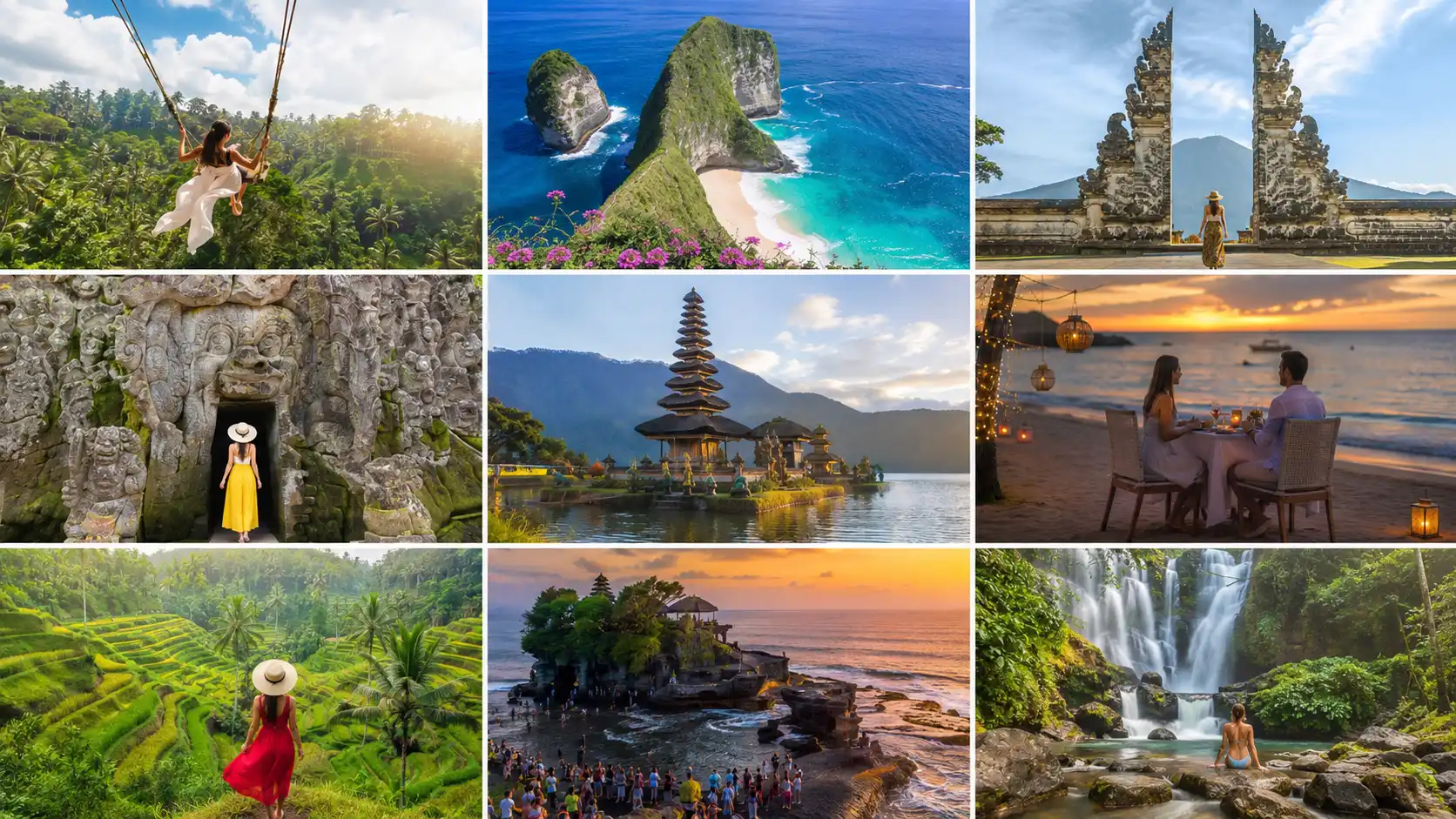
Here’s the thing about Bali, though. It genuinely has something for everyone. Whether you’re chasing waterfalls in the highlands, watching the sunset over a clifftop temple, or sipping a cold drink at a beach club in Canggu, it all fits within a single island. This guide cuts through the noise and walks you through the top tourist attractions in Bali worth putting on your itinerary, along with a few practical tips to help you get the most out of your visit.
If you’ve started planning a Bali trip, you already know the problem: everyone has a different opinion on where to go. One blog tells you to skip Kuta, another insists Ubud is overrated, and somehow every list has 50 places on it when you only have 10 days. It’s a lot to sort through.
top tourist attractions in bali | balitouristic.com

Why Bali Belongs on Every Traveler’s Bucket List
Bali is one of those rare destinations that manages to be many things at once. It’s a Hindu island within the world’s largest Muslim-majority country, Indonesia, which gives it a cultural identity unlike anywhere else in the region. Temples, offerings, and ceremonies are woven into daily life here, not just reserved for tourists.
The numbers back up what travelers have been saying for years. According to the Bali Government Tourism Office, the island welcomed 6.33 million international tourists in 2024, a 19.4% increase from the previous year. TripAdvisor also named Bali the world’s top destination in its 2024 Travelers’ Choice Awards. And it keeps growing: the Bali Hotels Association reported 6.94 million international arrivals in 2025, up nearly 10% year on year. If you’ve been putting off this trip, you’re not alone and there’s no better time to go. For a deeper look at planning your visit, the Bali travel guide from Bali Touristic is a great place to start.
Top 10 Places to Visit in Bali
From cultural landmarks to natural wonders, these are the attractions that belong on every Bali itinerary.
1. Ubud — Bali’s Cultural Heart
Ubud is the kind of place that pulls you in and makes you want to extend your stay. Sitting in the highlands of central Bali, it’s surrounded by terraced rice fields, lush jungle, and a creative community of artists, healers, and chefs. The Tegalalang Rice Terraces are a must, especially at sunrise when the light is soft and the crowds are thin.
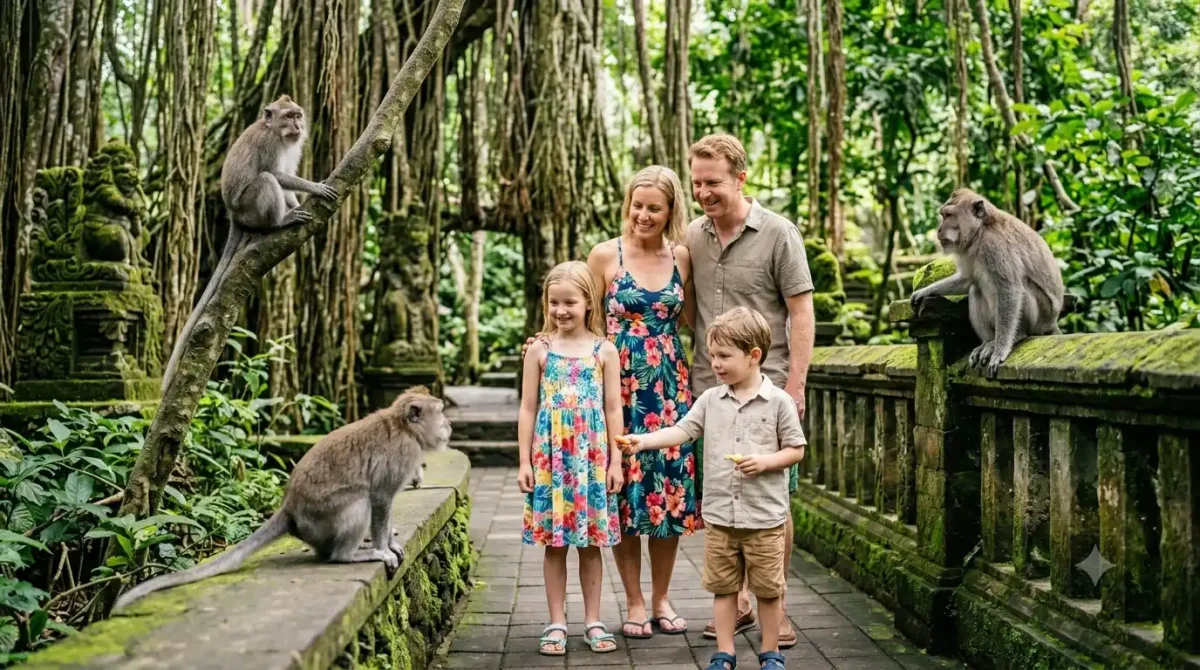
Beyond the scenery, Ubud offers real cultural depth. The Sacred Monkey Forest Sanctuary is home to more than 700 macaques living among ancient temple ruins. Ubud Art Market and Ubud Palace sit right in the heart of town, and the area is known as Bali’s hub for yoga, wellness retreats, and plant-based dining. It’s a fantastic base for exploring the surrounding temples and villages on day trips.
2. Uluwatu — Cliffs, Surf, and Sunsets
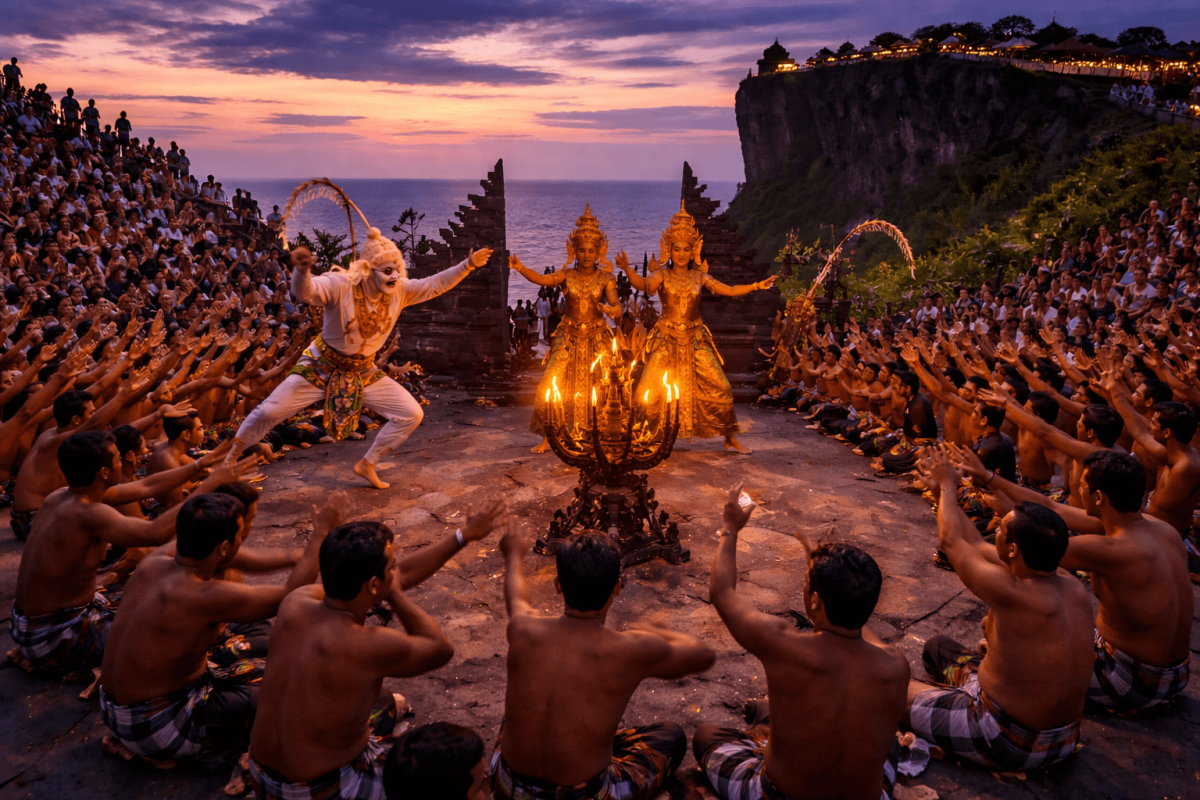
Perched on the southern tip of Bali’s Bukit Peninsula, Uluwatu is where dramatic clifftop scenery meets world-class surf breaks. The star of the show is Pura Luhur Uluwatu, an 11th-century sea temple that sits 70 meters above the Indian Ocean. The Kecak fire dance performed here at sunset is one of those experiences that stays with you long after you leave.
The beaches below the cliffs are equally impressive. Suluban, Padang Padang, Bingin, and Balangan each have their own personality, and the surf here is some of the best in Bali. After a session in the water or a temple visit, Single Fin beach club is the go-to spot for sunset drinks with a view. One tip: watch your belongings around the temple as the resident monkeys are notorious for grabbing sunglasses and phones.
3. Canggu — The Coolest Neighborhood in Bali
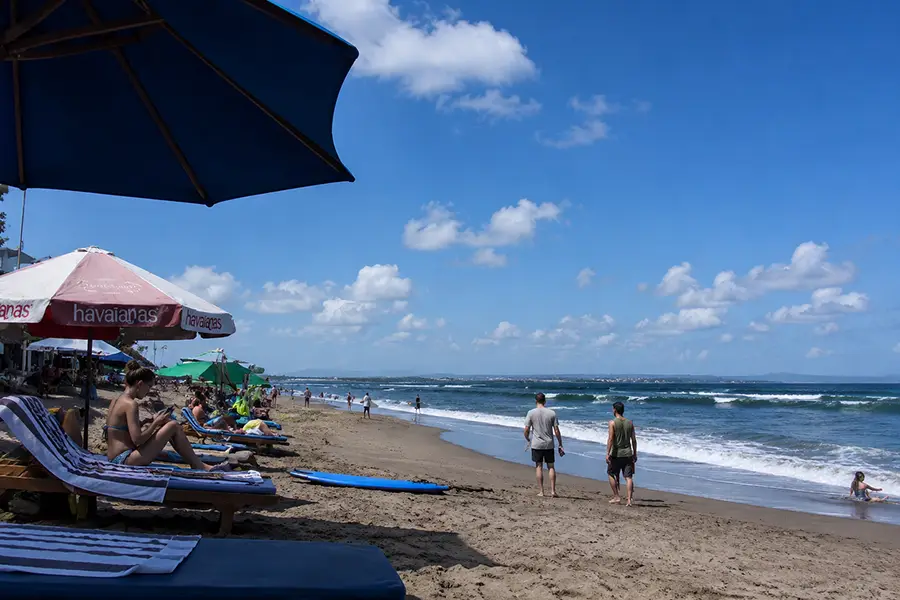
Canggu has become Bali’s trendiest area, and for good reason. It manages to blend rice paddy landscapes with a laid-back beach town vibe and a thriving cafe and creative scene that draws digital nomads and surfers alike. The beach breaks here are ideal for beginner and intermediate surfers, and there are plenty of schools offering lessons.
Old Man’s bar is the classic spot for a sunset drink with live music, while Finn’s Beach Club offers a more polished experience with pools and ocean views. The streets of Canggu are lined with murals and street art, and the cafe scene is genuinely excellent. It’s also a short drive from Tanah Lot Temple, one of Bali’s most photographed coastal temples.
4. Nusa Penida — Bali’s Wild Side
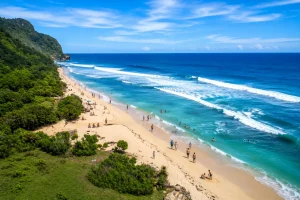
If Bali has a wilder, more rugged sibling, it’s Nusa Penida. Located about 30 minutes by fast boat from Sanur, this island has become one of the most talked-about destinations in Southeast Asia thanks to its jaw-dropping scenery. Kelingking Beach, with its dinosaur-shaped cliff and turquoise cove below, is the postcard image you’ve probably already seen. Getting down to the beach is a steep hike, but the views from the top are worth every step.
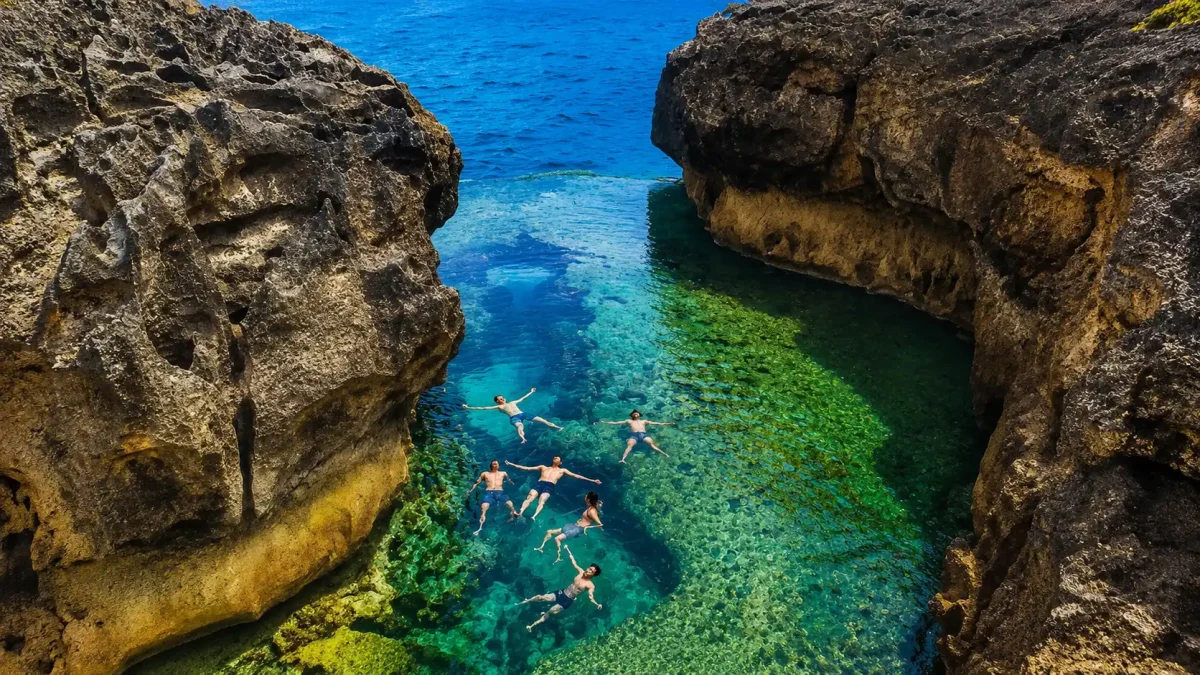
Beyond Kelingking, there’s Broken Beach with its natural arch over the ocean, Angel’s Billabong (a natural infinity pool carved by the waves), and Crystal Bay for snorkeling with manta rays. Many visitors do Nusa Penida as a day trip, but staying two to three nights gives you time to explore properly without rushing. Booking private Bali tours that include Nusa Penida is a great way to see the highlights comfortably without needing to organize boats and transport yourself.
5. Sanur — Laid-Back Beaches and Island Gateways
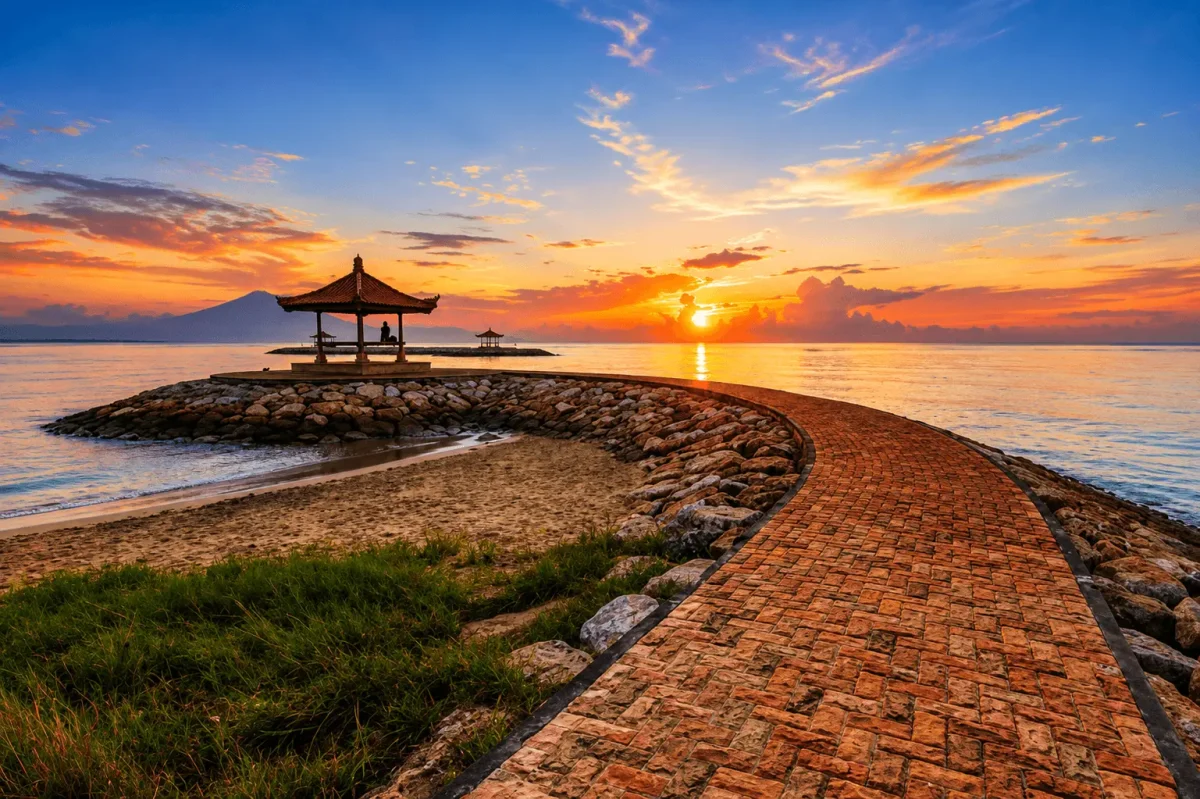
Sanur is the quieter, more relaxed alternative to Kuta, and many travelers prefer it for exactly that reason. The beach is calm and gentle, making it popular with families and couples who want to slow down. Offshore diving and snorkeling spots are accessible here, and the promenade along the beach is a lovely spot for an early morning walk.
Sanur also serves as the main departure point for ferries to Nusa Penida and Nusa Lembongan. The Sindhu Night Market is a local favorite for cheap, flavorful Indonesian food and live music. If you’re visiting in July, the Bali Kite Festival is a spectacular local tradition that takes place on Sanur’s open fields and draws enormous handmade kites from teams across the island.

6. Tirta Empul — Sacred Water Temple
Founded in the 10th century, Tirta Empul is one of Bali’s most spiritually significant temples. Dedicated to the Hindu god Vishnu, the temple is built around a natural spring that feeds into a purification pool where both locals and visitors can participate in a melukat ritual, a cleansing ceremony believed to purify the body and spirit. It’s a genuinely moving experience if you approach it with respect.
Tirta Empul is located near Tampaksiring in central Bali, close enough to Ubud to make it a half-day trip. The complex is beautiful, with traditional Balinese architecture surrounded by lush greenery. Sarongs are provided at the entrance, and modest dress is appreciated throughout the temple grounds.
7. Goa Gajah — The Elephant Cave
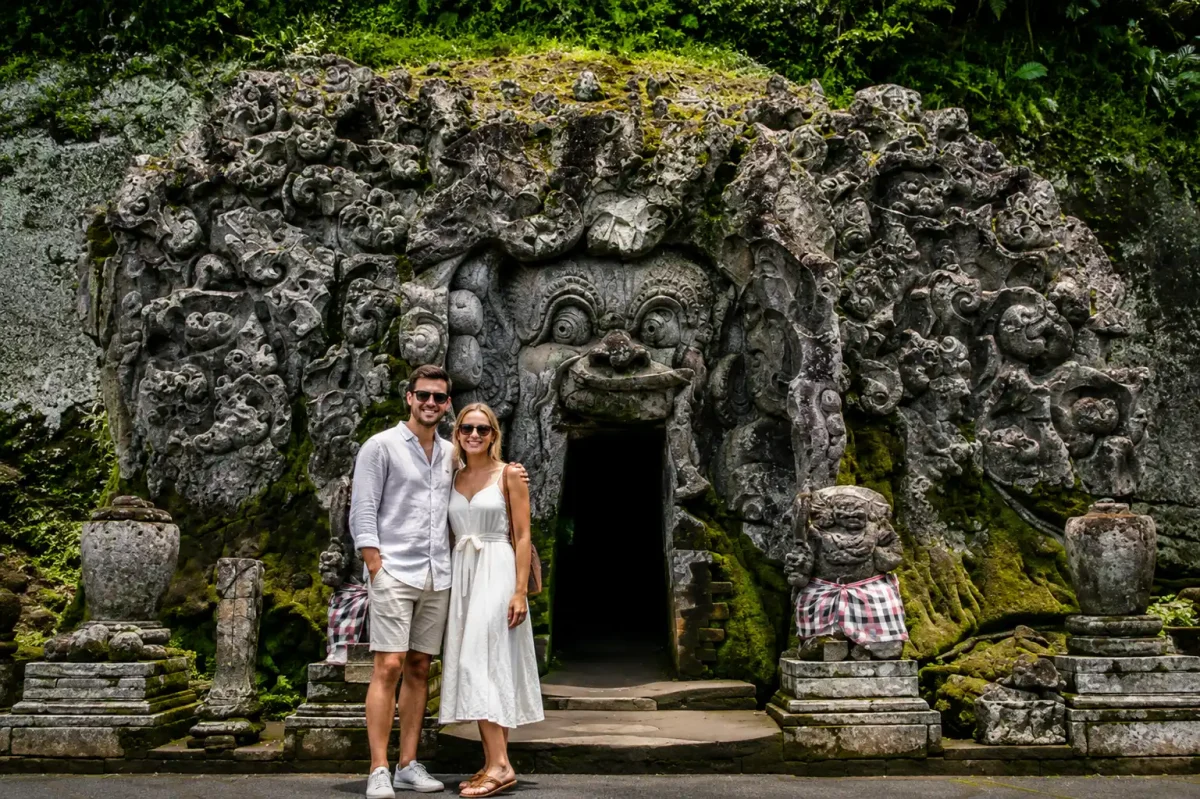
Goa Gajah dates back to the 9th century and is one of Bali’s oldest archaeological sites. The main feature is a cave-shaped temple entrance carved with an elaborate demon face and surrounded by intricate stone carvings depicting supernatural beings. Inside the cave, you’ll find a small meditation chamber with Hindu and Buddhist artifacts. It’s a compact site, but the historical and artistic craftsmanship is remarkable.
Located just a few kilometers from Ubud town center, Goa Gajah is easy to combine with other nearby attractions like Tirta Empul or the Tegalalang Rice Terraces. The entrance fee is modest, and there’s a pleasant garden area with bathing pools fed by carved stone fountains.
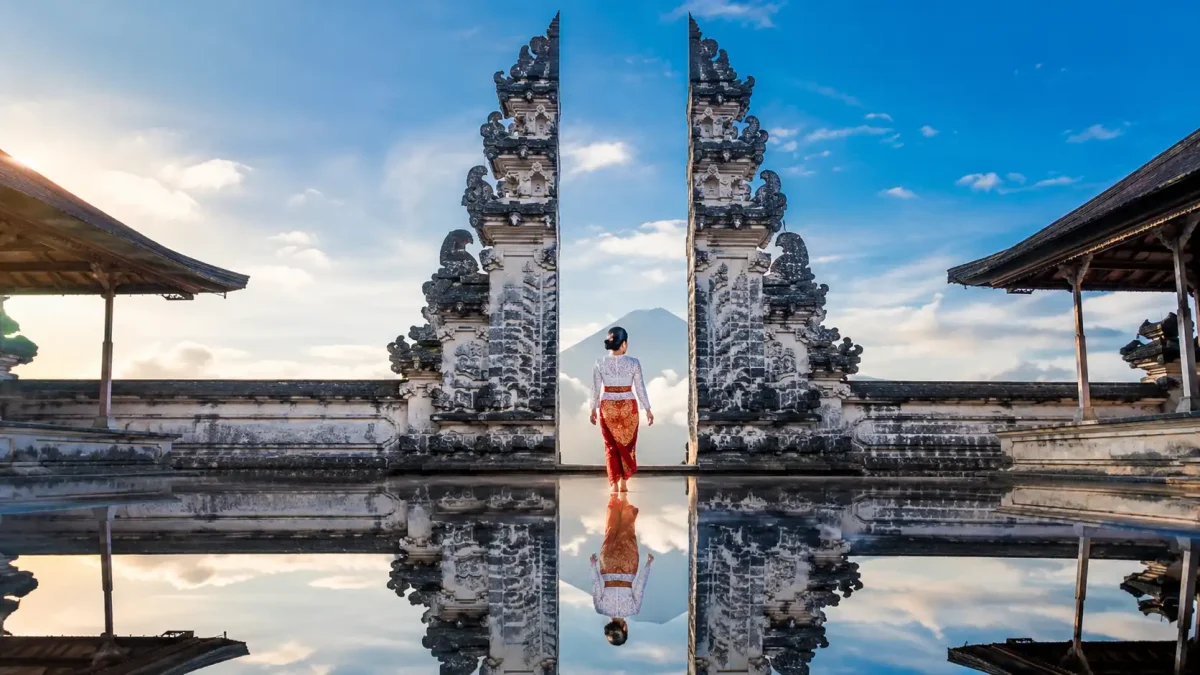
8. Pura Lempuyang Luhur — The Gates of Heaven
Pura Lempuyang Luhur is Bali’s most photographed temple, known for its iconic split gate that frames a perfect view of Mount Agung on a clear day. The so-called Gates of Heaven shot has become one of the most recognizable images from Southeast Asia. Fun fact: the reflection of water you often see in those photos is actually created using a small mirror held by the temple photographer, a clever trick that makes for a magical image.
Located about two hours from Ubud in the east of Bali, the temple requires an early start if you want to beat the queue for photos, which can stretch to two hours or more during peak season. The drive and the effort are well worth it. The temple sits on a hillside with sweeping views over the surrounding landscape.
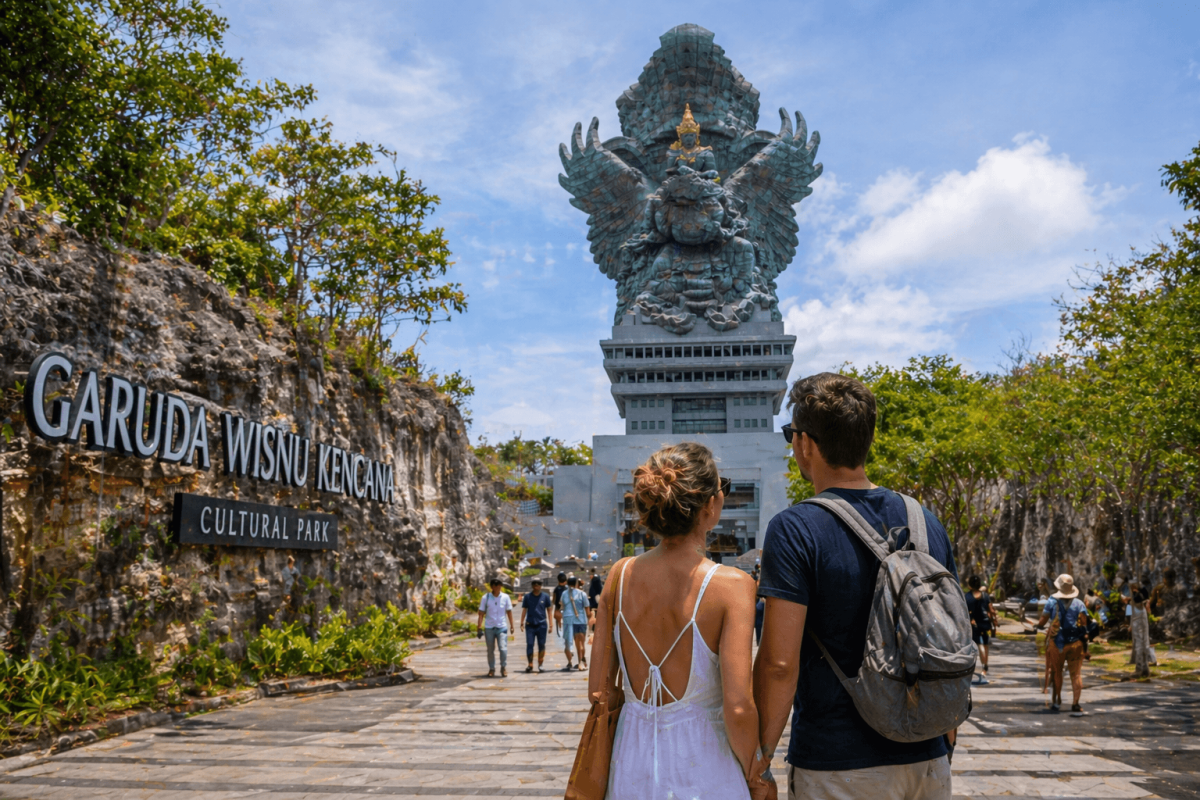
9. Garuda Wisnu Kencana Cultural Park
Garuda Wisnu Kencana Cultural Park, commonly known as GWK, is home to one of the largest sculptures in the world: a towering 121-meter statue of the Hindu god Vishnu riding the mythical Garuda bird, the fourth largest globally including its pedestal. Located on the Bukit Peninsula in Ungasan, the park is a major cultural landmark and a striking sight against the open sky.
Beyond the monument, GWK hosts traditional Balinese dance performances, including the Kecak fire dance, throughout the day. The grounds are spacious with amphitheaters and viewing platforms. It’s a good option if you want to combine a cultural experience with some impressive scale and theatrics.
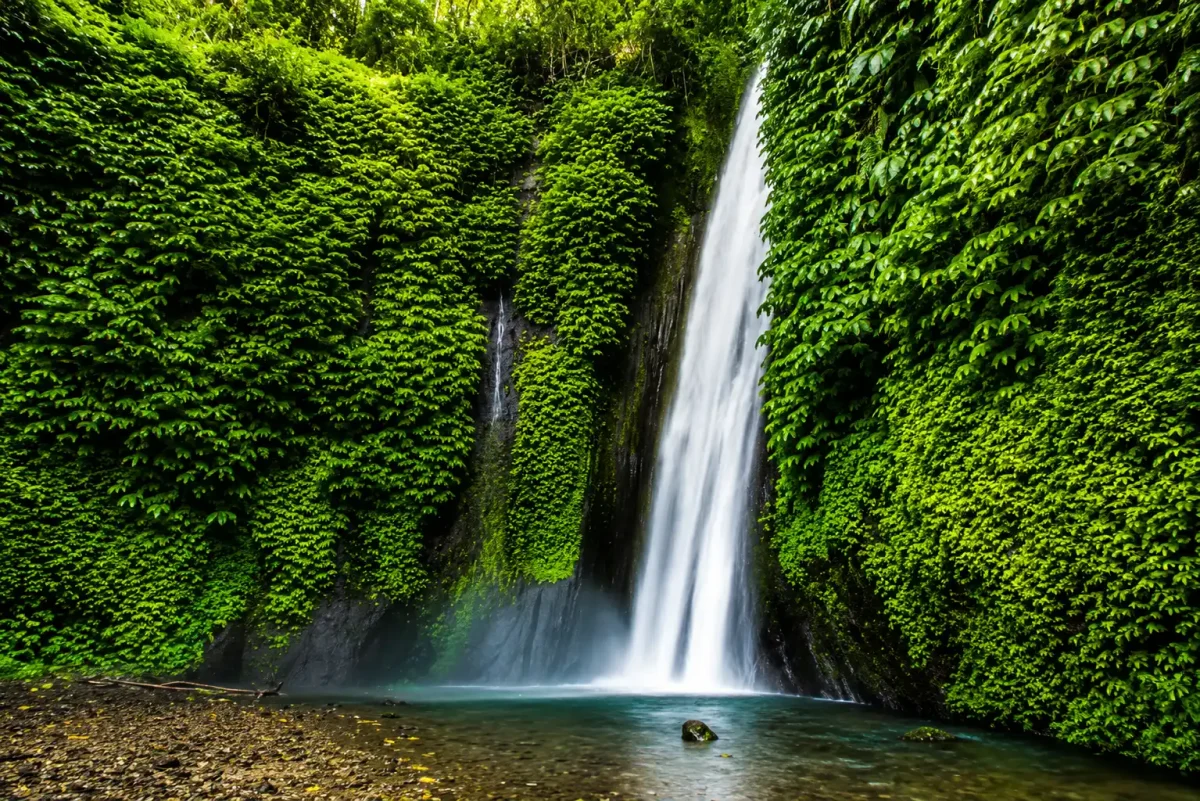
10. Munduk — Hidden Waterfalls and Mountain Serenity
Munduk is Bali’s best-kept secret for travelers who want to escape the crowds. This highland village in northern Bali sits among mountains, coffee plantations, and clove trees, and is surrounded by some of the island’s most beautiful waterfalls. Melanting, Red Coral, and Munduk Waterfalls are all within hiking distance, and the Twin Lake Wanagiri viewpoint offers one of the most breathtaking panoramas on the island.
The pace of life in Munduk is slow and restorative. Accommodation ranges from simple homestays to boutique jungle lodges, and the area is easy to combine with a visit to the Ulun Danu Beratan temple on Lake Bratan, a stunning water temple dedicated to the goddess of the lake. If you’re spending more than a week in Bali, Munduk deserves at least two nights.
Best Places to Visit in Bali for First Timers
If this is your first trip to Bali, the sheer number of options can feel overwhelming. The good news is that southern Bali makes an excellent base, and most of the top attractions are within a few hours’ drive of each other. Areas like Kuta, Seminyak, Sanur, Canggu, and Nusa Dua offer solid accommodation options and easy access to beaches, restaurants, and day trips.
From the south, you can take comfortable day trips to Ubud for temples and rice terraces, hop on a boat to Nusa Penida for dramatic coastal scenery, or head up to Uluwatu for the sunset Kecak dance. For first-timers especially, getting around with a Bali car rental with driver makes life significantly easier. You don’t have to worry about navigating Bali’s roads, parking at busy temples, or figuring out transport between sites. A local driver will also know the best times to visit each spot and can help you avoid the worst of the crowds.
Best Places to Visit in Bali for Couples
Bali has a well-deserved reputation as one of the world’s top romantic destinations, and it more than lives up to it. Uluwatu is a dream for couples: the clifftop temple at sunset, the sound of waves hundreds of meters below, and a beachside dinner afterward create a setting that’s hard to beat. The beach clubs here are polished and beautiful, with terraced seating overlooking the ocean.
Ubud offers a different kind of romance, quieter and more immersive. Staying in a jungle villa with a private pool, spending a morning exploring rice terraces, and ending the day with a traditional Balinese spa treatment is a formula that works every time. Nusa Penida is perfect for adventurous couples who want to share something genuinely spectacular, whether that’s snorkeling with manta rays or hiking down to Kelingking Beach together. For a memorable dinner, Jimbaran Bay’s seafood restaurants set tables right on the sand at the water’s edge, with the sunset behind you.
Best Time to Visit Bali
Bali has two distinct seasons, and understanding them makes a real difference to your trip. The dry season runs from April through October and is generally considered the best time to visit Bali. Skies are clear, humidity is manageable, and the beaches, temples, and outdoor activities are all at their best. That said, July and August are Bali’s peak months, with July 2024 alone seeing 625,665 international arrivals according to BPS Indonesia. Accommodation books up quickly and prices rise, so planning and booking ahead is essential if you’re traveling then.
The sweet spot for most travelers is May, June, or September. The weather is excellent, the crowds are lighter, and prices for hotels and activities are more reasonable. The rainy season from November through March brings afternoon showers rather than all-day rain, and Bali’s interior stays lush and green. Cultural activities, temple ceremonies, and spa days remain excellent year-round, so even a wet season visit has plenty to offer. For a full breakdown by month, check out our guide on the best time to visit Bali to plan your trip around the ideal conditions.
How to Get Around Bali
Getting around Bali efficiently is one of the things that can make or break a trip. The island has no public bus network worth relying on, and while ride-hailing apps like Grab and Gojek work well in built-up areas like Seminyak and Canggu, they’re often unavailable or unreliable when you’re heading out to temples, waterfalls, or rural areas.
For most travelers, the most comfortable and flexible option is a Bali rent a car with driver. You get a local driver who knows the roads, handles parking at crowded sites, and can often give you insider tips on where to eat or what to see nearby. It’s cost-effective when split across a group or couple, and it removes a lot of logistical stress from your day. If you’re arriving by plane, arranging a Bali airport transfer in advance means you step off the plane and straight into a waiting car, with no haggling at the taxi stand after a long flight.
Top Bali Attractions at a Glance
Here’s a quick overview of the top attractions to help you decide what fits your itinerary and travel style.
| Attraction | Area | Best For | Visit Time | Entry Fee (approx) |
| Ubud & Tegalalang Rice Terraces | Central Bali | Culture, nature, wellness | Half to full day | ~IDR 50,000 |
| Uluwatu Temple | Bukit Peninsula | Sunsets, surf, culture | 2-3 hours | ~IDR 50,000 |
| Canggu | South Bali | Beach clubs, surf, cafes | Full day | Free (venue spend) |
| Nusa Penida | Island (30 min by boat) | Dramatic scenery, snorkeling | 1-3 days | Boat + entry fees |
| Sanur | South Bali | Families, couples, island access | Half day or base | Free |
| Tirta Empul | Near Ubud | Spiritual experience | 1-2 hours | ~IDR 50,000 |
| Goa Gajah | Near Ubud | History, archaeology | 1-2 hours | ~IDR 50,000 |
| Pura Lempuyang Luhur | East Bali | Photography, temples | Half day | ~IDR 100,000 |
| Garuda Wisnu Kencana | Bukit Peninsula | Cultural shows, landmarks | 2-3 hours | ~IDR 100,000+ |
| Munduk | North Bali | Waterfalls, nature, quiet | 1-2 nights min | Free (waterfall entry ~IDR 20,000) |
Plan Your Bali Trip with Bali Touristic
Knowing which attractions to visit is one thing. Getting there comfortably and making the most of your time is another. Bali Touristic specializes in helping travelers experience the island without the hassle, whether that means a day trip to Nusa Penida, a private tour around Ubud’s temples and rice terraces, or a multi-stop day covering Uluwatu, GWK, and Jimbaran Bay.
All private Bali tours are run by experienced local drivers who know the island well and can tailor your day to your pace and interests. There’s no rushing between sites to keep up with a tour group, just you, your travel companions, and the freedom to explore Bali your way. And if you’re flying in, a pre-arranged Bali airport transfer means your trip starts smoothly from the moment you land.
Prefer to travel on your own terms? Our Bali car rental with driver service gives you a comfortable vehicle and a knowledgeable local driver for the whole day. You decide the itinerary, and Bali Touristic handles the rest. Contact Bali Touristic directly for bookings and travel assistance.

Frequently Asked Questions About Top Tourist Attractions in Bali
What are the top tourist attractions in Bali?
The top tourist attractions in Bali include Ubud and its surrounding rice terraces, Uluwatu Temple, Nusa Penida, Canggu, Sanur, Tirta Empul, Goa Gajah, Pura Lempuyang Luhur, Garuda Wisnu Kencana Cultural Park, and the highland village of Munduk. Between temples, beaches, cultural experiences, and natural scenery, Bali offers an exceptional range of attractions that appeal to all types of travelers.
What is the best time to go to Bali?
The best time to go to Bali is during the dry season, which runs from April through October. May, June, and September are particularly good months as the weather is excellent but the crowds are smaller and prices more affordable compared to peak season in July and August. The rainy season from November to March still offers great cultural experiences, lush scenery, and lower accommodation rates.
What are the best places to visit in Bali for first timers?
For first-time visitors, the best places to visit in Bali for first timers are southern Bali’s coastal areas as a base, including Seminyak, Canggu, Sanur, or Nusa Dua, with day trips to Ubud, Uluwatu, and Nusa Penida. Starting in the south gives you easy access to beaches and nightlife while keeping major cultural and natural attractions within comfortable day-trip distance.
What are the best things to do in Bali for couples?
Couples visiting Bali will find plenty of romantic options across the island. Highlights include watching the sunset Kecak dance at Uluwatu Temple, staying in a private jungle villa in Ubud, snorkeling with manta rays off Nusa Penida, walking the Sanur beachfront at sunrise, and enjoying a seafood dinner on the beach in Jimbaran Bay. Bali’s spa culture is also exceptional, with traditional Balinese massage experiences available everywhere from budget-friendly salons to luxury resort retreats.
How many days do you need to see the top attractions in Bali?
A minimum of 7 to 10 days gives you enough time to cover the top tourist attractions in Bali comfortably without rushing. This allows for a couple of days in the south exploring beaches and beach clubs, a day or two based in Ubud for temples and rice terraces, a day trip or overnight stay in Nusa Penida, and time to visit Uluwatu, Tirta Empul, and other sites at a relaxed pace. Those with more time can add a trip north to Munduk or east to Lempuyang.
Do I need a guide to visit Bali’s temples and attractions?
You don’t need a guide at every site, but having a local driver or guide makes a significant difference, especially for first-time visitors. They can help you navigate temple etiquette, explain the cultural significance of what you’re seeing, and get you to popular sites like Pura Lempuyang early enough to avoid the queues. For multi-stop days or visits to more remote areas like Nusa Penida or Munduk, having organized transport is highly recommended for convenience and safety.