
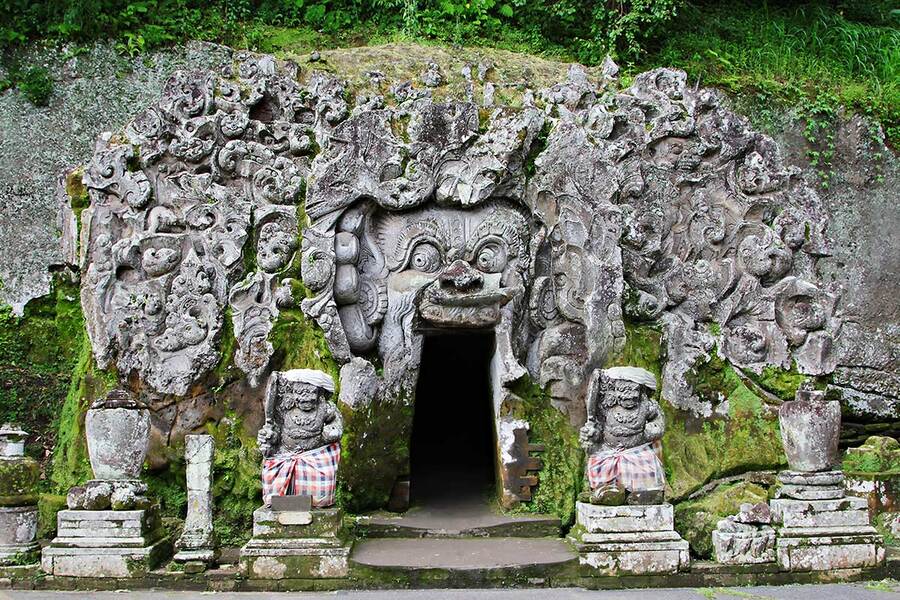
Goa Gajah Temple, or Elephant Cave, is one of Bali’s most iconic and historically significant temples. Located in Bedulu Village, near Ubud. Goa Gajah offers a fascinating glimpse into Bali’s ancient spiritual heritage, mystical traditions, and unique architecture. This temple complex, dating back to the 11th century, combines cultural, religious, and archaeological elements. Therefore make it a must-visit destination for travelers seeking to connect with Bali’s rich past.

Goa Gajah Temple Historical Significance
Built during the reign of King Jaya Singha of Gianyar. The name Goa Gajah is believed to refer to the cave’s shape. This shape resembles an elephant face, or to an elephant statue found nearby, which is associated with ancient Hindu rituals. The temple is considered a sacred place for meditation and spiritual enlightenment. Hosting various religious ceremonies that connect the spiritual and physical realms. Today, it is a revered archaeological site, considered sacred by locals.
Throughout its history, Goa Gajah has been a spiritual center, attracting both Hindu and Buddhist monks and practitioners. The temple unique blend of Hindu-Buddhist influences is evident in its design, carvings, and rituals. It is said that the site was once used for meditation, offering a peaceful retreat for those seeking divine wisdom and guidance. Goa Gajah also served as a pilgrimage site. Therefore, worshippers at this temple offer prayers and offerings to the gods for blessings and protection.
Over the centuries, the temple has undergone several periods of neglect and rediscovery. It was not until the 1950s that excavation work uncovered the entire temple complex, revealing hidden carvings and stone structures. Since then, Goa Gajah has become a symbol of Bali’s rich cultural and spiritual heritage. Attracting visitors from all over the world to experience its historical significance and serene atmosphere.
Mysteries of Goa Gajah Temple
One of the most intriguing aspects of Goa Gajah Temple is the mystery surrounding its original purpose and function. While it is widely believed to have been used as a meditation sanctuary and religious site. Some historians speculate that it could have also served as a sacred place for the ancient practice of alchemy. Which was prevalent in Bali during its time. The temple unique layout, with its dark, cave-like entrance and sacred pools, creates an atmosphere that invites mystery and contemplation.
Additionally, there are local legends that suggest the temple was once a hiding place for ancient Balinese treasures. Some believe that hidden chambers or tunnels beneath the temple complex may have been used to conceal sacred artifacts or even gold. Though no treasure has ever been found, these legends persist. Adding to the allure of Goa Gajah as a site that holds secrets yet to be uncovered.
Architecture and Design of Goa Gajah Temple
The temple architecture is a striking mix of traditional Balinese and Hindu styles. Featuring intricate carvings, rock-cut caves, and beautiful stone sculptures. The temple is accessed through a large, menacing cave entrance, shaped like a grotesque face with wide eyes and an open mouth. This cave is believed to symbolize the realm of the underworld, and its entrance acts as a gateway for spiritual seekers to pass between worlds.
Inside the cave, visitors can find a small altar and statues of Hindu deities, including Ganesha, the elephant-headed god of wisdom and prosperity. The carvings on the cave walls depict scenes from Hindu mythology, including images of gods, demons, and divine figures, reflecting the temple’s deep spiritual significance.
The surrounding temple complex includes several shrines, bathing pools, and other sacred structures. One of the highlights of Goa Gajah Temple is the Holy Bathing Pool, a large pond surrounded by stone figures of water spouts shaped like animal heads. These fountains once served as a ritual purification area, where worshipers would bathe in the holy waters as part of their spiritual practices.

Unique Features of Goa Gajah Temple
Another fascinating feature is the way the temple incorporates natural elements. The positioning of the temple, nestled into a lush jungle valley, suggests a deep connection between the physical environment and spiritual practices. Some believe the site is a powerful spiritual nexus, harnessing the natural energies of the land for healing and meditation. Visitors often describe feeling a profound sense of peace and connection when exploring the temple grounds, adding to its reputation as a site of spiritual rejuvenation.
Cultural and Spiritual Importance
Goa Gajah Temple is not only a historical and archaeological treasure but also an active site of religious worship. The temple continues to play an important role in the lives of local Balinese, who visit it for ceremonies, offerings, and spiritual cleansings. Visitors may witness the temple traditional rituals, which often include prayers and offerings to honor the gods and ancestors.
The temple also reflects Bali’s Hindu-Buddhist influences, as it was likely used by both Hindu and Buddhist followers. This cross-cultural influence is seen in the sacred carvings and design, which blend both Hindu deities and Buddhist elements. The site is a perfect example of Bali’s spiritual diversity and the way local traditions have evolved over time.
Opening Hours & Best Time to Visit
Goa Gajah Temple is open daily from 8:00 AM to 4:00 PM. The best time to visit is early in the morning or late afternoon when the temple is less crowded and the weather is cooler. Visiting during these times will also allow for better photography opportunities and a more serene atmosphere.
Early visits also give you the chance to enjoy the temple in a more peaceful setting. The soft natural lighting during these hours enhances the beauty of the temple surroundings.
What to Expect
Visitors to Goa Gajah Temple can look forward to the following highlights:
- Ancient Architecture: Explore the temple unique mix of traditional Balinese and Hindu styles, featuring detailed rock-cut caves and intricate stone carvings.
- Cave Entrance: Walk through the iconic cave entrance shaped like a grotesque face, believed to symbolize the passage between the physical and spiritual worlds.
- Statues of Hindu Deities: View statues of gods such as Ganesha, the elephant-headed god, as well as other significant figures from Hindu mythology.
- Holy Bathing Pool: Experience the tranquil Holy Bathing Pool, where water spouts shaped like animal heads once served as part of ritual purification practices.
- Traditional Offerings: Witness ongoing religious ceremonies and offerings placed by locals, adding to the spiritual atmosphere of the temple.
This blend of cultural, historical, and spiritual elements makes Goa Gajah a deeply enriching experience for visitors.
Entrance Fees
The entrance fee to Goa Gajah Temple is typically IDR 15,000 for local visitors and IDR 50,000 for foreign tourists. This fee includes access to the temple grounds and the cave. Some additional fees may apply if you wish to take a guided tour.
The ticket price is considered affordable for the cultural and historical experience offered. Supporting the entrance fee also helps maintain and preserve this heritage site.
Tips for Visiting Goa Gajah Temple
Following these tips will help ensure a smooth and enjoyable visit. Being prepared allows you to fully appreciate the spiritual and historical significance of the temple.
- Arrive early or late to avoid the midday crowds.
- Wear respectful clothing: A sarong is required for entry.
- Take comfortable footwear as the area can be rocky and uneven.
- Bring water to stay hydrated, especially during warmer months.
- Respect the sacred rituals by staying quiet and maintaining a respectful attitude.
Why Goa Gajah Temple Is a Must-Visit Destination
Goa Gajah Temple offers an enriching spiritual and historical experience, making it a must-visit destination for those exploring Bali’s cultural heritage. Whether you’re interested in Bali’s ancient architecture, its blend of Hindu-Buddhist traditions, or the spiritual energy of the site, Goa Gajah promises a memorable journey through time.
Goa Gajah is widely celebrated as one of the best temples in Bali for history lovers and those seeking a deeper connection with the island’s ancient spiritual traditions.
While in the Gianyar region, be sure to explore other Gianyar Interesting Places to Visit like Tegenungan Waterfall, Tirta Empul Temple, and Celuk Village, renowned for its traditional silver jewelry craftsmanship. These attractions, along with Goa Gajah, provide a comprehensive cultural journey through Bali’s rich history and spiritual traditions.
Plan Your Trip with Bali Touristic
Planning a visit to Goa Gajah is even more rewarding when you combine it with other nearby attractions in Gianyar, such as Tirta Empul, Gunung Kawi, and the rice terraces of Tegallalang. To make the most of your time in Bali without the hassle of figuring out transportation, consider booking a bali tour package that covers the best cultural and natural sites across the island in a well organized itinerary.
For those who prefer more flexibility to explore at their own pace, stopping wherever the road takes you, the most comfortable and practical option is to rent a car with driver through a trusted local service. A knowledgeable local driver will not only handle navigation and parking, but can also share context about the sites you visit, enriching your experience far beyond what a map app can offer.
If you’re looking to delve deeper into Bali’s cultural heritage, the Goa Gajah Temple is an essential stop. To make the most of your visit, consider booking a tour with Bali Touristic, where we offer tailored experiences that ensure you get the most out of Bali’s attractions. For more traveler insights, check out TripAdvisor for reviews and tips from fellow adventurers.

Frequently Asked Questions About Goa Gajah Temple
What is the best time of day to visit the elephant cave site?
Early morning, ideally before 9 AM, is the best time to visit. The site tends to be quieter, the light filtering through the surrounding jungle is beautiful, and the air is cooler. Crowds build steadily through late morning and peak around midday, particularly during weekends and Balinese holidays when local worshippers also come to pray.
Is there a dress code required before entering the temple grounds?
Yes, modest dress is required. You must cover your shoulders and waist before entering any of the sacred areas. If you arrive without appropriate clothing, sarongs and sashes are available for rent or purchase at the entrance for a small fee. This applies to all visitors regardless of gender.
How long does a typical visit to the temple take?
Most visitors spend between one and two hours exploring the site comfortably. If you choose to walk down to the Petanu River gorge and explore the meditation niches carved into the cliff face, plan for closer to two hours. The terrain involves uneven stone steps, so wearing appropriate footwear is advisable.
Are there any other historical sites nearby worth visiting on the same day?
Several outstanding sites are within a short drive. Gunung Kawi, featuring enormous rock cut shrines from the 11th century, is just a few kilometers north. Tirta Empul holy spring temple is also nearby and offers a very different but equally meaningful experience. Combining two or three of these sites into one day trip from Ubud is both practical and deeply rewarding.
Is the cave itself accessible for people with limited mobility?
The main entrance area and the cave chamber are relatively accessible, though the stone pathway from the parking area does include some uneven steps. The lower section of the site, including the riverside meditation niches, involves a steeper descent on stone stairs and may be challenging for visitors with mobility limitations. It is worth calling ahead or consulting with your driver or tour guide for the most up to date access information.