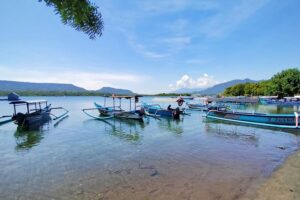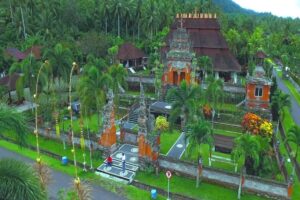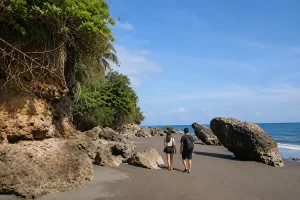

West Bali National Park (Taman Nasional Bali Barat) is Bali’s only official national park, protecting around 190 square kilometers of forest, savanna, mangrove, and coral reef on the island’s remote northwestern tip. Far from the crowds of the south, it shelters some of Bali’s rarest wildlife, including the critically endangered Bali starling, alongside deer, monkeys, wild cattle, and hundreds of bird species.
West Bali National Park is one of Jembrana’s most interesting places to visit, and it rewards travelers who want to see protected flora and fauna up close rather than another beach club. Families, birdwatchers, and divers all find something here, from guided treks through savanna trails to snorkeling around Menjangan Island’s coral reefs. For nature lovers planning a Bali itinerary, Bali Touristic recommends setting aside a full day for this park.

What Is West Bali National Park?
Established in 1941 as Indonesia’s oldest national park, West Bali National Park covers the Prapat Agung Peninsula and its surrounding waters. About 82% of the protected area is on land, with the rest extending into the sea around Menjangan Island. The park is split into a core conservation zone closed to visitors, a limited-use zone for trekking and research, and a tourism zone where most activities take place.
Visitor Information
📍
Prapat Agung Peninsula, spanning Buleleng and Jembrana Regencies near Gilimanuk Harbor, about a 4-hour drive from Denpasar and Ngurah Rai Airport.
🕐
Ranger stations open daily 8:00 AM to 3:00 PM for permits and tickets. Trekking and cycling activities can run 6:00 AM to 6:00 PM if booked a day in advance.
💰
Foreign visitors: Rp200,000 on weekdays, Rp300,000 on weekends and public holidays (children ages 2 to 12 pay the same rate). Indonesian citizens: Rp10,000 (weekday) or Rp15,000 (weekend/holiday).
🅿️
Available at both entry points, Cekik and Labuan Lalang, for cars and motorcycles.
⏱️
Half a day for a short trek or snorkeling trip; a full day if you combine Menjangan Island with a land safari.
📸
Early morning gives the best light and the best chance of spotting the Bali starling and other birds. Menjangan Island’s turquoise water photographs best around midday.
How to Get to West Bali National Park
The park has two official entry points where visitors register and hire a mandatory guide. The main ranger station is at Cekik, close to Gilimanuk Harbor, while the second office sits at Labuan Lalang, the departure point for boat trips to Menjangan Island. Since the park has no public transport network, most visitors arrange a driver or join a tour, especially given the four-hour distance from South Bali.
Traveling with a private driver also makes it easy to combine the park with other attractions in the area, such as Menjangan Island or Medewi Beach, in a single day. A Bali Rent a Car with Driver service handles the long drive and lets you set your own pace instead of rushing between stops.
Entrance Fee, Tickets, and Opening Hours
Entry fees are charged per day rather than per activity, so a single ticket covers snorkeling in the morning and trekking later the same day. Fees are paid in cash at either ranger station.
| Visitor Type | Price |
| Foreign adults (weekday) | Rp200,000 |
| Foreign adults (weekend/holiday) | Rp300,000 |
| Foreign children, ages 2 to 12 | Same as adult rate |
| Indonesian citizens (weekday) | Rp10,000 |
| Indonesian citizens (weekend/holiday) | Rp15,000 |
| Day | Opening Hours |
| Ranger stations (permits & tickets) | 8:00 AM – 3:00 PM |
| Trekking & cycling activities | 6:00 AM – 6:00 PM (book ahead for an early start) |
| Nyepi (Day of Silence) | Closed for 24 hours |
The Function of West Bali National Park
The park was created to protect Balinese flora and fauna threatened by poaching and habitat loss. Its main functions include the following.
- Conservation: The park is a sanctuary for the Bali starling, an animal found nowhere else on earth, along with mangrove forests, coastal forests, and coral reef ecosystems.
- Preservation: Ongoing efforts aim to restore the genetic diversity and natural balance of the area after decades of human disturbance.
- Sustainable Use of Natural Resources: The park also functions as a field laboratory for researchers, a base for community education, and a controlled space for developing tourism facilities.
Flora and Fauna Preserved in the Park
West Bali National Park protects lowland forest, savanna, mangrove, and marine ecosystems side by side. This mix supports a wide range of species, including many found only in this corner of Bali.
- Flora: Sandalwood, sawo kecik, sonokeling, and other native tree species across its monsoon and evergreen forests.
- Fauna: Bali starling, wild jungle fowl, and over 160 recorded bird species.
- Mammals: Banteng (wild cattle), long-tailed macaques, the rare Javan lutung (black monkey), wild boar, and Javan rusa and barking deer.
- Reptiles: Monitor lizards and various smaller lizard species.
- Marine Life: Hawksbill turtles and reef fish around Menjangan Island, where the coral reefs are recorded to include around 110 species of coral, including 22 types of mushroom coral, and more than 220 species of fish.
Best Things to Do in West Bali National Park
Activities are split between the mainland forest and the waters around Menjangan Island, so it helps to plan a full day if you want to try more than one.
Snorkeling and diving at Menjangan Island
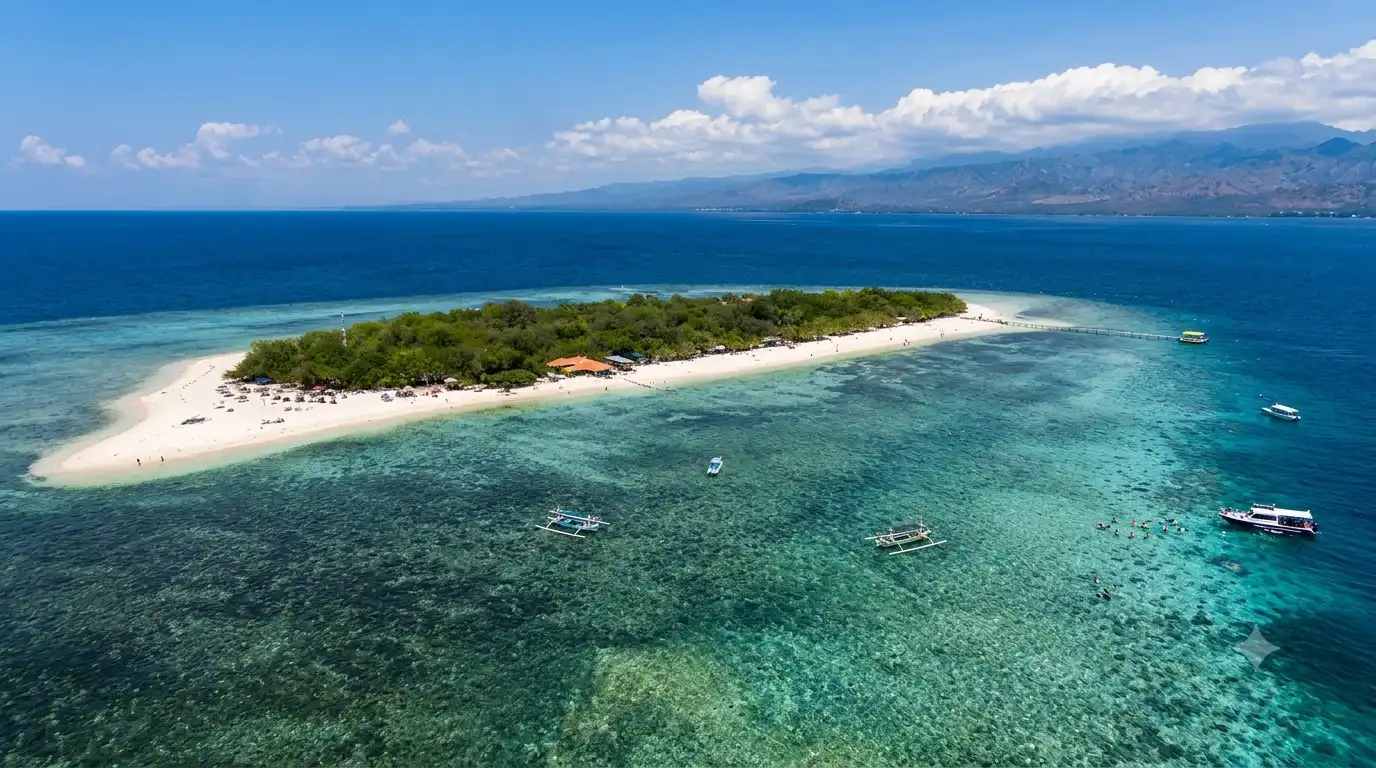
Menjangan Island is the park’s biggest draw, with clear water and healthy coral that make it one of the better snorkeling spots in Bali. Divers can choose from around ten dive sites nearby, including a 19th-century wooden shipwreck, and expect to see clownfish, turtles, and reef sharks along the way. If you’d rather have the logistics handled for you, a guided Menjangan snorkeling tour covers the main sites in a single trip.
Land safari and trekking
Guided safari trips, usually in a converted van, take visitors through the park’s savanna and forest trails for two to three hours. Along the way, it’s common to spot rusa deer, macaques, monitor lizards, and if you’re lucky, the shy black monkey. Several operators run dedicated jungle adventure tours in West Bali National Park that combine the safari with a longer full-day trek into the hills for a more immersive experience.
Birdwatching
Early morning and late afternoon are the best times to look for the park’s 160-plus bird species, including the critically endangered Bali starling. A guide familiar with the release areas near Teluk Brumbun gives you the best chance of spotting one in the wild. For a closer look at where and when to find it, our guide on Bali attractions to see the rare Jalak Bali in the wild goes into more detail.
Mangrove tour in Gilimanuk Bay
A slower-paced boat trip through the mangroves of Gilimanuk Bay is a good option for travelers who prefer to stay on the water without snorkeling. Expect calm channels, birdlife, and glimpses of the coastline you won’t see from the main road.
Relaxing at Banyuwedang Hot Springs
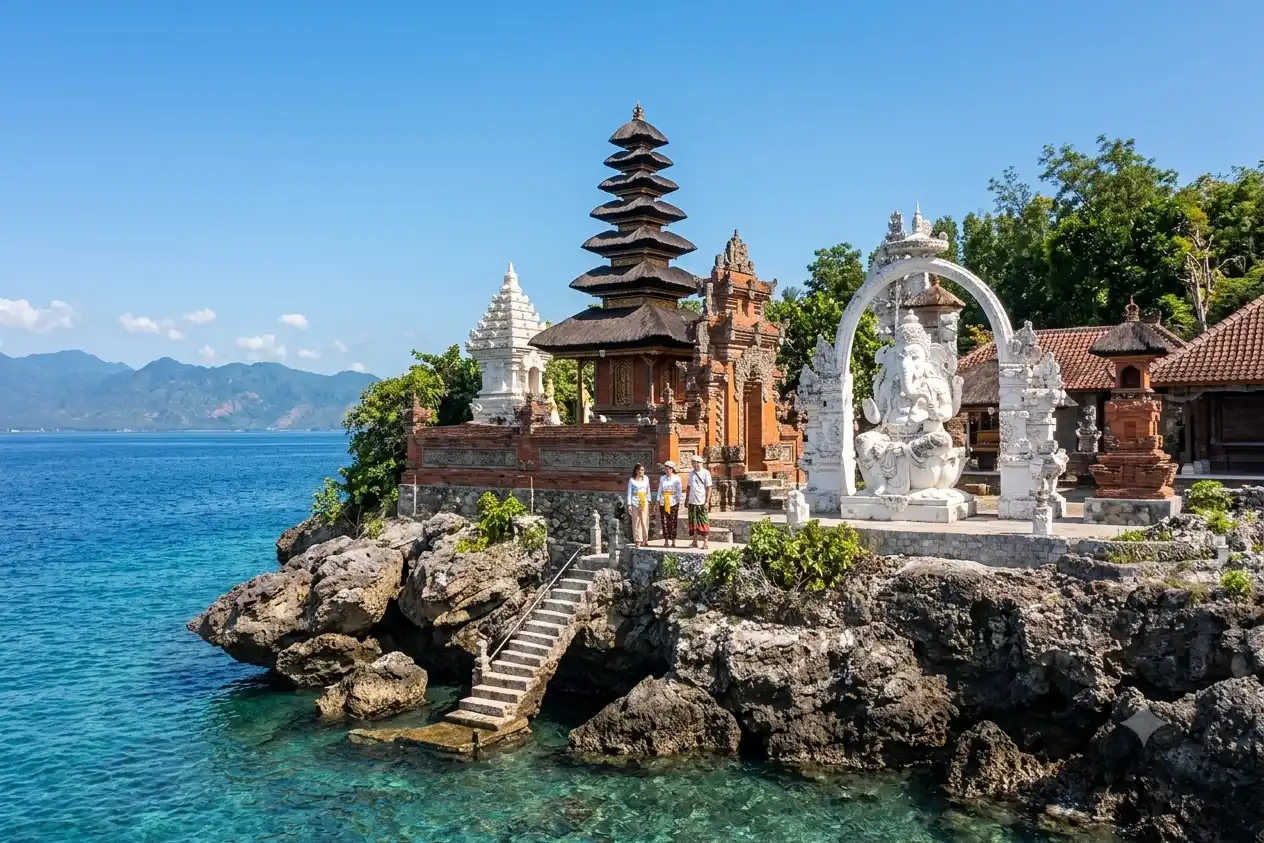
Just outside the park boundary near Banyuwedang Beach, this seafront hot spring reaches around 40°C, making it one of the hottest in Bali. It’s a good way to unwind after a day of trekking or snorkeling, and since it sits outside the restricted zone, visitors don’t need to pay the park entrance fee to use it.
Facilities Provided
West Bali National Park offers facilities to support a comfortable visit despite its remote location.
- Parking: Large parking areas for cars and motorcycles at both entry points.
- Public Toilets: Restrooms available for a minimal fee.
- Restaurants: Several resorts within the park boundary welcome outside guests for meals, with a mix of Indonesian and Western dishes.
- Information Center: Ranger stations provide maps and guidance on activities and permits.
- Lodging: A handful of nature-focused resorts sit inside the park, with more budget-friendly options in nearby Pemuteran and Sumberkima.
Tips for an Enjoyable Trip to West Bali National Park
- Wear comfortable clothing suited to trekking, snorkeling, or whichever activity you’ve booked.
- Bring a hat, sunglasses, and sunblock, since much of the park offers little shade.
- Pack water and snacks, as options inside the park are limited and pricier than average.
- Book activities with the same operator if you plan to do more than one, since the entrance fee is charged per day, not per activity.
- Bring cash, as fees and small purchases inside the park are rarely paid by card.
- Follow ranger instructions and avoid littering to help protect the park’s wildlife.
Plan Your West Bali National Park Visit with Bali Touristic
Getting the most out of West Bali National Park usually comes down to logistics: the long drive, the mandatory guides, and the choice between snorkeling, safari, or both. A private Bali tour package takes that planning off your hands, pairing the park with nearby stops like Menjangan Island so you don’t lose half your day to travel time. If you’re flying in or out through Ngurah Rai Airport, our Bali airport transfer service can also bookend a West Bali trip smoothly.

Frequently Asked Questions about West Bali National Park
Is West Bali National Park worth visiting?
Yes. It’s one of Bali’s most untouched areas, home to rare wildlife like the Bali starling and the Javan lutung, and it offers a quieter, more nature-focused alternative to the south of the island.
How much is the entrance fee for West Bali National Park?
Foreign visitors pay Rp200,000 on weekdays and Rp300,000 on weekends and public holidays, with children ages 2 to 12 charged the same rate. Indonesian citizens pay Rp10,000 on weekdays and Rp15,000 on weekends and holidays. The fee is charged per day and covers all activities booked that day.
How do I visit West Bali National Park?
The park has two official entry points where you register, pay the entrance fee, and hire a guide: the main ranger station at Cekik, and a second office at Labuan Lalang near the Menjangan Island boat departure point. Most visitors arrange their visit through a local operator or driver who can handle the permit process.
What animals can be found in West Bali National Park?
The park is home to the critically endangered Bali starling, Javan rusa and barking deer, long-tailed macaques, the rare Javan lutung, wild boar, monitor lizards, and over 160 bird species. Its surrounding waters protect hawksbill turtles and reef fish around Menjangan Island.
How can I explore West Bali National Park with a driver?
Since the park spans a large area across two regencies with no public transport, it’s best explored with a private vehicle. Hiring a Bali Rent a Car with Driver makes the four-hour journey more comfortable and lets you combine the park with nearby attractions like Menjangan Island and Medewi Beach in a single day.