

Balinese culture is one of the most living, visible cultures in the world — every day on the island begins with handwoven offerings placed at doorways, shrines, and street corners, and ends with the sound of gamelan drifting from a nearby temple. For visitors, understanding this culture isn’t just enriching — it’s essential to experiencing Bali as it actually is.
This guide covers the key pillars of Balinese cultural life — from traditional dance and Hindu ceremonies to the customs that matter most when you’re visiting temples and interacting with local communities. Knowing these will help you engage respectfully and meaningfully throughout your stay.

Embrace Traditional Dance and Artistic Crafts
One of the most captivating expressions of Balinese culture is its traditional dance. Performances such as the Traditional Kecak Dance and Legong Dance are rich in symbolism, depicting tales from Hindu epics. Attending a Balinese Cultural Performance is a great way to appreciate the island’s artistic heritage.
Bali is also renowned for its artistic crafts. You can witness artisans creating intricate Balinese Mask Carvings and participate in Bali Craft Workshops to learn about this age-old tradition. These experiences not only provide insight into the meticulous craftsmanship but also offer a hands-on connection to Balinese cultural practices.
Read More: Karma Beach Bali: Your Ultimate Escape with Tips for Tourists and Activity in Bali
Experience Hindu Rituals and Temple Ceremonies
Religion plays a central role in Balinese daily life. Hindu religious ceremonies and sacred temple rituals are conducted regularly to maintain spiritual balance and honor the deities. Below are some notable rituals and their significance:
- Melasti Ceremony: Held before the Balinese New Year (Nyepi), this purification ritual involves processions to the sea to cleanse sacred objects and purify the soul.
- Ngaben (Cremation Ceremony): A significant rite of passage symbolizing the release of the soul to its next journey. It is both a solemn and celebratory event, often accompanied by music and elaborate processions.
- Odalan: This temple anniversary ceremony occurs every 210 days according to the Balinese calendar. It includes offerings, traditional dances, and prayers to honor the temple’s deity.
- Galungan and Kuningan: Celebrated every 210 days, Galungan marks the victory of dharma (good) over adharma (evil), while Kuningan signifies the return of ancestral spirits to heaven.
- Canang Sari Offerings: These daily offerings of flowers, rice, and incense symbolize gratitude and are placed at homes, temples, and businesses.
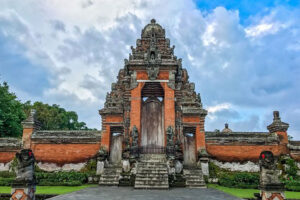
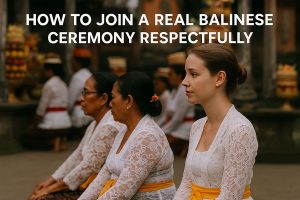
Observing a temple ceremony at iconic locations such as Uluwatu or Besakih Temple offers a glimpse into these profound practices. However, tourists should always show respect by dressing modestly, wearing a sarong and sash, and following Bali customs when entering sacred spaces.
Participate in Bali Festival and Local Tradition
The island’s calendar is filled with vibrant Bali festivals celebrating key religious and cultural milestones. Events such as Galungan and Kuningan highlight the importance of family, gratitude, and offerings to ancestral spirits. Participating in these celebrations or attending cultural village tours will help you understand the essence of unique Balinese traditions.
To truly appreciate local traditions, visitors can explore Bali local experiences such as attending a Balinese cooking class, learning traditional recipes that have been passed down for generations.
Discover Bali’s Cultural Heritage and Artistic Expressions
Bali’s rich cultural heritage can be explored at various Bali heritage sites and Bali art exhibitions. These venues showcase Balinese traditional arts, including painting, sculpture, and weaving. Museums and galleries, such as the Agung Rai Museum of Art (ARMA), offer a deep dive into the island’s creative legacy.
Music is another integral aspect of Balinese culture. The island’s traditional Balinese music features the mesmerizing sounds of the gamelan, a traditional ensemble of percussion instruments that accompanies many religious ceremonies and cultural performances.
Guidelines for Respecting Balinese Culture
- Dress Appropriately: Wear modest clothing, especially when visiting temples or participating in religious events. Sarongs and sashes are often required and can be rented or borrowed at temple entrances.
- Respect Sacred Spaces: Always follow local instructions and avoid stepping on offerings placed on the ground.
- Seek Permission: Ask before taking photographs during temple ceremonies or Hindu rituals to respect the sanctity of these events.
- Support Local Artists: Purchase authentic crafts directly from artisans to support the local economy and preserve traditional Balinese arts.
- Learn About Local Etiquette: Understand key social behaviors, such as not pointing with your feet or touching someone’s head, as these actions can be considered disrespectful.
Immerse Yourself in Cultural Tourism
Cultural tourism in Bali offers countless opportunities to connect with the island’s heritage. From Bali craft workshops and Balinese cooking classes to cultural village tours, each experience fosters a deeper appreciation for Balinese traditions.
Witnessing a traditional dance show or attending a Bali art exhibition further highlights the island’s dedication to preserving its cultural identity. Exploring Bali heritage sites such as ancient temples and traditional villages offers a journey back in time to experience the roots of Balinese cultural performances.
Ready to Experience Balinese Culture Firsthand?
Reading about Balinese culture gives you context — but witnessing a temple ceremony, hearing live gamelan, or joining a traditional cooking class brings it to life in a way that no article can fully capture.
Our bali tour package includes culturally immersive experiences led by knowledgeable local guides who can help you engage with Balinese traditions respectfully and meaningfully.
Frequently Asked Questions about Balinese Culture
What is Balinese culture known for?
Balinese culture is known worldwide for its deep integration of Hinduism into daily life — seen through daily offerings (canang sari), elaborate temple ceremonies, traditional dance performances like the Kecak and Legong, and a strong sense of community (banjar) that shapes how villages are organized and how festivals are celebrated. Bali’s artistic heritage in painting, sculpture, weaving, and music is also internationally recognized.
What is the role of religion in Balinese culture?
Religion is inseparable from Balinese culture. The island practices a unique form of Hinduism known as Agama Hindu Dharma, which blends Hindu philosophy with animist and Buddhist influences. Temples (pura) are found in every village, household, and rice field — with ceremonies held regularly throughout the year. Daily offerings and prayer are not ceremonial occasions but a continuous practice woven into ordinary life.
What are the most important Balinese cultural traditions?
Key Balinese cultural traditions include: Canang Sari (daily flower and incense offerings), Galungan and Kuningan (celebrating the victory of good over evil every 210 days), Nyepi (the Balinese Day of Silence and New Year), Ngaben (cremation ceremony), the Odalan temple anniversary, and traditional dance performances such as Barong, Kecak, and Legong. These traditions are actively practiced across the island throughout the year.
What are the customs tourists should respect in Balinese culture?
Key customs for tourists include: wearing modest clothing and a sarong when entering temples, not stepping on or over offerings placed on the ground, asking permission before photographing ceremonies, avoiding pointing with your feet (considered disrespectful), not touching people’s heads, and not entering temples during menstruation. Following these customs shows respect and will lead to much warmer interactions with local communities.
What is a good way to experience Balinese culture as a tourist?
The best ways to experience Balinese culture authentically include: attending a traditional dance performance at Uluwatu or Ubud, visiting a village temple during an Odalan ceremony, taking a Balinese cooking class, joining a guided temple tour with cultural context, visiting the Agung Rai Museum of Art (ARMA) in Ubud, and participating in a traditional craft workshop. Having a knowledgeable local guide significantly deepens the experience.
Do you offer cultural tours in Bali?
Yes! For a rich cultural experience in Bali, start your journey with our airport transfer service, and we’ll connect you with the most authentic cultural experiences the island has to offer.